
Don’t Bore the Children

This was first published on Splice Today.
_______________

I check Matthew Yglesias’ blog semi-regularly. He’s smart and a decent writer, and he hews close to the progressive party line. I’m a progressive myself, so that works out okay, and I happily click over to his place to find out why the United States isn’t as good as Scandinavia and why the Senate should be scrapped and why health care reform was a good idea.

Unfortunately, Yglesias also sticks to the progressive wisdom on education, where, as it happens, the progressive party line is now exactly the same as the conservative party line. This makes education that holy grail of punditry for progressives — a topic on which they can appear to buck conventional wisdom without offending anyone who matters. All the edgiest wonks agree: down with teacher’s unions; up with charter schools; and when in doubt, bore the kids.
Continue reading

Frazetta’s Barnyard Comics

HU alum Tom Crippen (who wrote with us in our blogspot days) sent us this piece. It’s good to have you back here, Tom!
____________________________

by Tom Crippen

Frank Frazetta (1928-2010) is probably the world’s best-known illustrator of fantasy adventure. He hit it big during the 1960s when his covers played a key part in the paperback boom that did so much for Conan the Barbarian and the works of Edgar Rice Burroughs. He stayed big all through the decades that followed. If you’re a dumb kid, or if any inch of you is a dumb kid, his paintings will overwhelm you. They’re like Led Zeppelin, premarital sex, or getting a driver’s license and driving fast enough to risk spinal injury. They’re as intense as psychedelic art but located at the other end of experience, the one where nothing matters but the juices flowing through your body. Look at them and your mind gets blotted out: there you are, hypnotized by muscle on muscle, shadow on shadow, detail on detail, and by the snakelike power that twists through his composition, because behind the whallop lies a superior degree of art.

Continue reading

Agreeable Fascism: Oishinbo

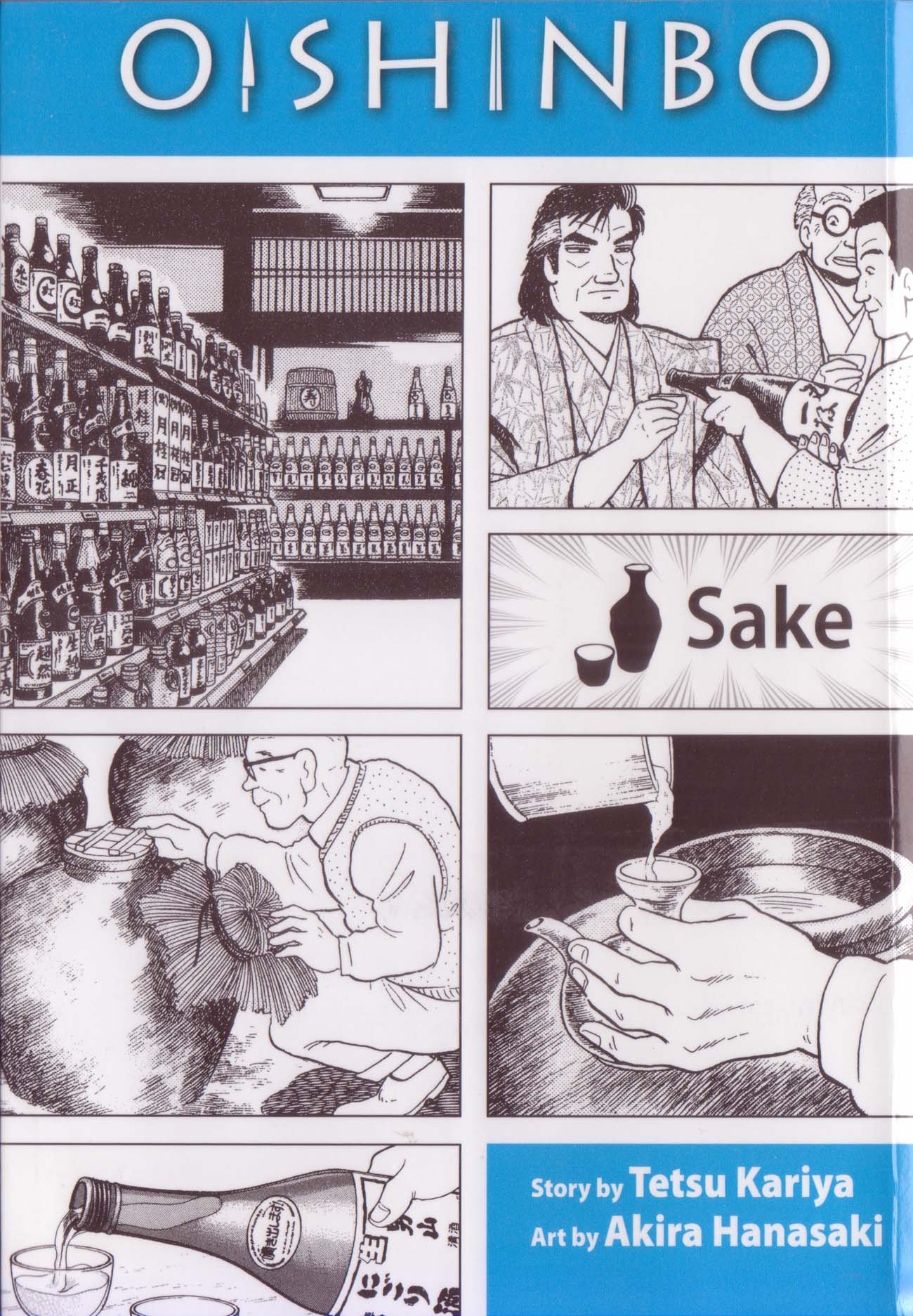
Oishinbo by Tetsu Kariya (writer) & Akira Hanasaki (artist)
(Pages read from left to right)

A very serious discussion awaits HU readers next week, so I’ve decided to dwell on one of the more simple-minded manga series published in the last few years — the info-food manga, Oishinbo. The sole purpose of this manga mutate is to entertain while conveying information. So not exactly the equivalent of Jeremy Issac’s The World at War, but certainly a distant cousin of Anthony Bourdain eating a warthog anus.
Continue reading

Overthinking Things 03/02/2011

One of the barriers for anyone wishing to begin reading comics for the first time is to figure out *where* to begin. This is true for manga, as well.

In Japan, the manga market is not organized by subject or genres as we speak about them. There is no “romance” or “mystery” section in a manga store. Manga is organized by audience based roughly on gender and age. Shoujo manga are “for girls,” Shounen manga “for boys,” Josei manga are “for women” and Seinen manga are “for men.” To buy a manga series in Japan, you must know the gender/age of its intended audience, the publisher and then the name of the author. Individual magazines might focus slightly more on a genre type (romance, action, sports, adventure) but they are more likely to focus on the perceived overall interests of the intended audience.

Continue reading

Not With a Bang

I am sure that eventually, somebody within DC Marketing will envision a Grant Morrison Batman omnibus that collects his now historic runs of “Batman and Son” and “R.I.P.” (and its various preludes) along with his 16-issue Batman and Robin, the Arkham Asylum graphic novel, and even the tales collected as Batman Gothic.

That’s from Nathan Wilson’s review of Grant Morrison’s Return of Bruce Wayne up on the Comics Journal website.

Continue reading

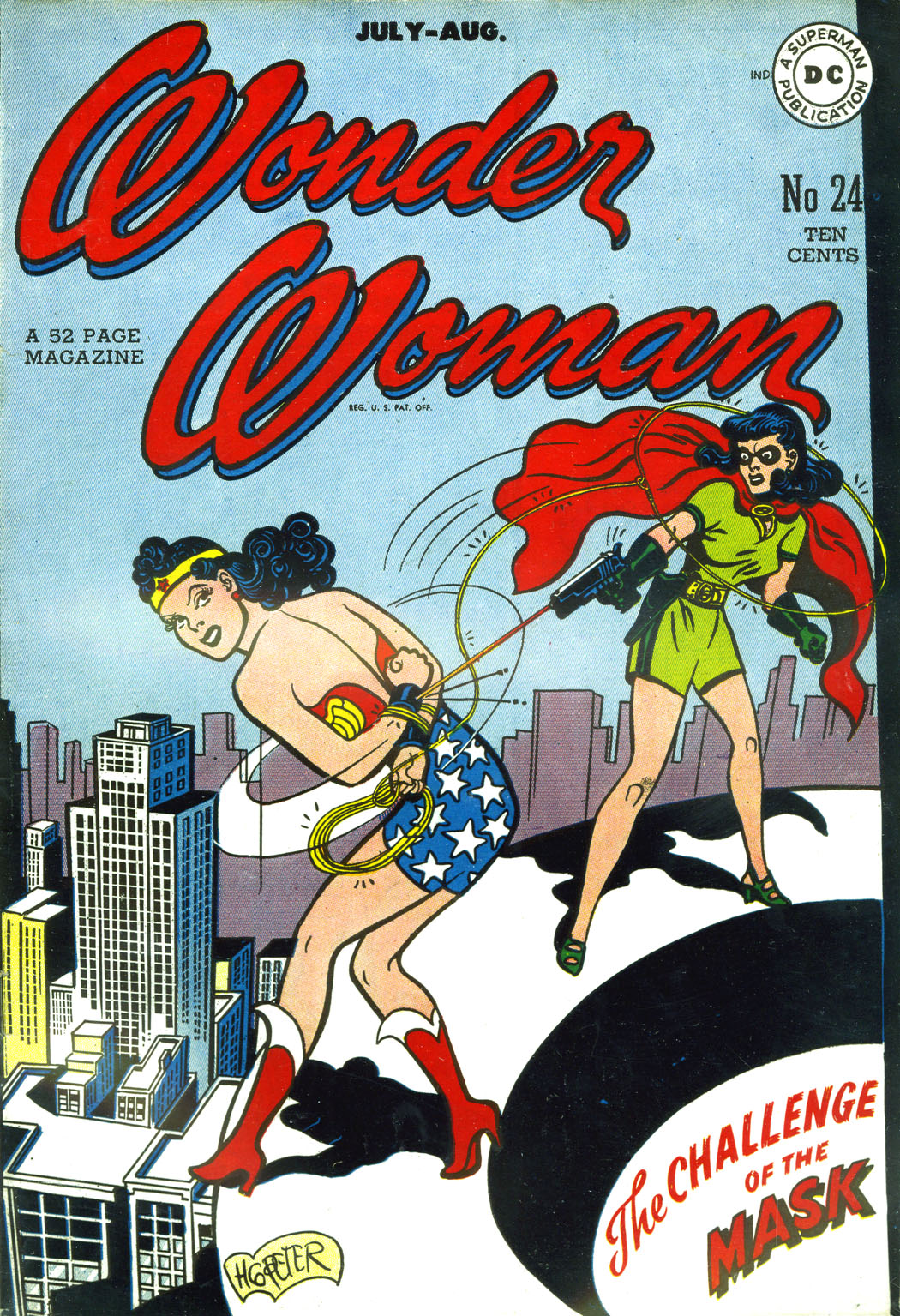
Bound to Blog: Wonder Woman #24

The Bound to Blog posts are coming very infrequently these days…and it’s in large part because these issues from late in the Marston/Peter run are, frankly, kind of depressing. Though there were signs of life in 23, it’s been clear since 22 that neither Marston nor Peter is bringing their A-game to these comics. Marston, in fact, was on his death bed at this point — he actually died before the July 1947 cover date here, but since issues were forward-dated, it’s possible he was still alive to see this cover.

Continue reading