Monthly Stumblings # 8: Mat Brinkman

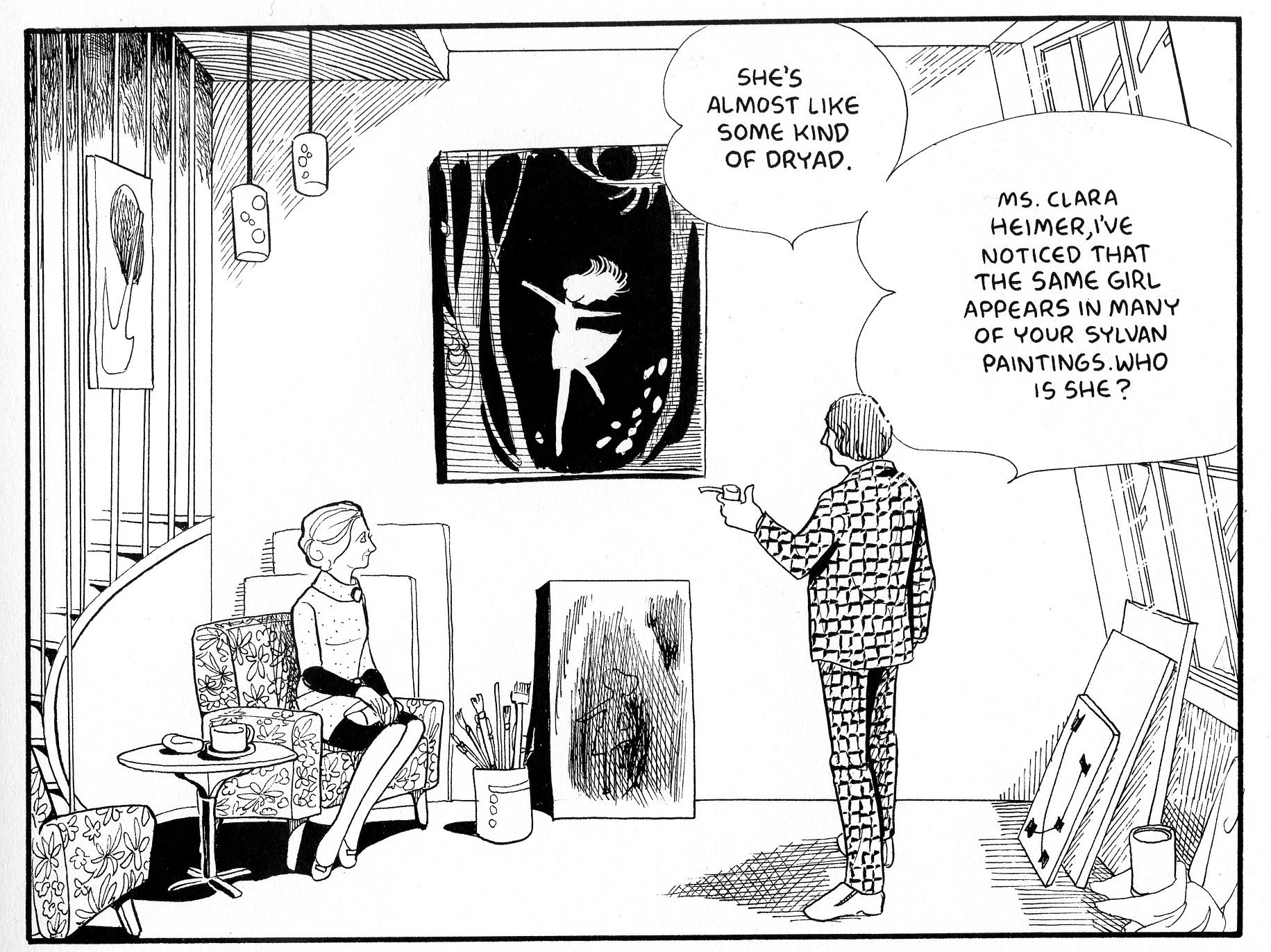
Mat Brinkman’s Depressed Pit Dwellers and Heads, 44

Presumably you don’t need to be told Fort Thunder’s story all over again. That’s why I won’t be doing it at this time… You’re welcome!… I’ll add only this: those RISD students were multimedia artists drawn to many art forms: from music to comics, from assemblage to knitting. That’s why Mat Brinkman had one foot in the printing world and the other one in the art gallery milieu. He chose both, but don’t expect to find his work in the direct market venues. Most likely it’s not in there…

Instead of Fort Thunder’s story I’m going to tell you why the art form of comics needed the expression “graphic novels” (like that: in the plural form) and how it became part of our current language (you know all this already too, but I insist on my narrative because it isn’t stressed enough when people discuss what’s a graphic novel)… Chris Oliveros, the publisher of Drawn & Quarterly (ditto other alternative comics publishers, I’m sure), knew that, in order to sell his books, he needed to find alternatives to the superhero dominated direct market (in other words, he needed to flee the comics ghetto). He needed to sell in regular bookstores, but, in there, his books were lumped in with superhero comics collections and newspaper reprints. He needed to convince the BISAC to create a new label to be used in bookstores: “Graphic Novels”. This category would consist of “extended-length illustrated books with mature literary themes”, as Matthew Shaer put it in the link above. I don’t know if, a few years later, even after the creation of said category, Chris Oliveros was completely successful. According to Eddie Campbell (the creator of the hilarious Graphic Novel Manifesto): “the librarians and to some extent the book trade have decided that the graphic novel is a young readers’ genre. […]  [H]ere is the sequence of events: circa 1980 [after the impact of Will Eisner’s A Contract with God and Other Tenement Stories] it was decided that comics had grown up and the grown-up version would be called ‘the graphic novel.’ [An expression coined by Richard Kyle in 1964, but with earlier uses in other languages; as all concepts its meaning changed over the years though.] This has been forgotten and […] we’re right back where we started.”

Frankly it’s not my aim to discuss the graphic novel phenomenon. To me it’s just a marketing device that I applaud because it helps to find new readers to the comics that I champion the most. Apart from that I understand Eddie Campbell when he said that the graphic novel is not a format (it’s a genre, to echo the “it’s not a genre, it’s a medium” mantra, usually applied to comics; Eddie could be absolutely right if we think that a comic book is not always comical and it certainly isn’t a book), but many different things have been called graphic novels: from a collection of short stories (Will Eisner’s A Contract With God and Other Tenement Stories) to autobiography and biography at the same time (Maus by Art Spiegelman) to journalism (Joe Sacco’s Palestine). That’s why I say that a graphic novel is a format that pretty much stands for “trade paperback” and “prestige format” in the public’s mind. That’s also why the direct market easily co-opted the expression:
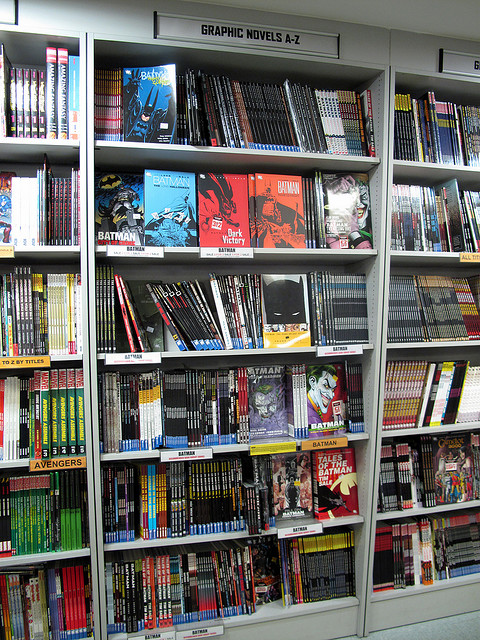
 Forbidden Planet, London, UK.
Continue reading

Utilitarian Review 12/25/10

Xmas A to Z

Avaricious bambinos covet Disney-detritus. Elders’ Fallopian genitals, heaving immaculately, jaculate kenosis-knickknacks. Levittowners merrily nurse organized pedophilia. Quasi-riant revenue-ravenous Santa Taws uncoil. Vultures watch Xt.’s yummy zygote.

On HU

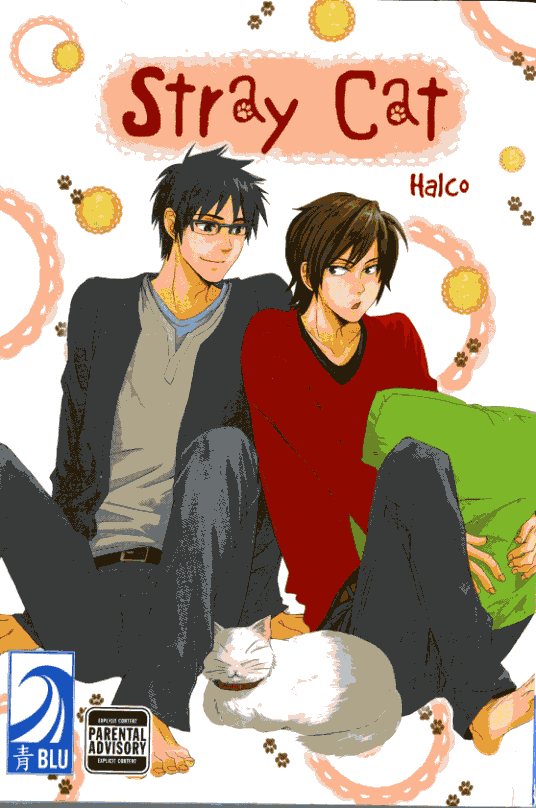
Kinukitty started the week out with a review of the yaoi maga Stray Cat.

I explained why Moto Hagio is not just genre fiction for girls.

James Romberger discussed his long association with David Wojnarowicz and explained how the Smithsonian altered Wojnarowicz’s work even before they censored it.

I wrote a short farewell to TCJ.com blogger and editor Dirk Deppey, who has been laid off by Fantagraphics.

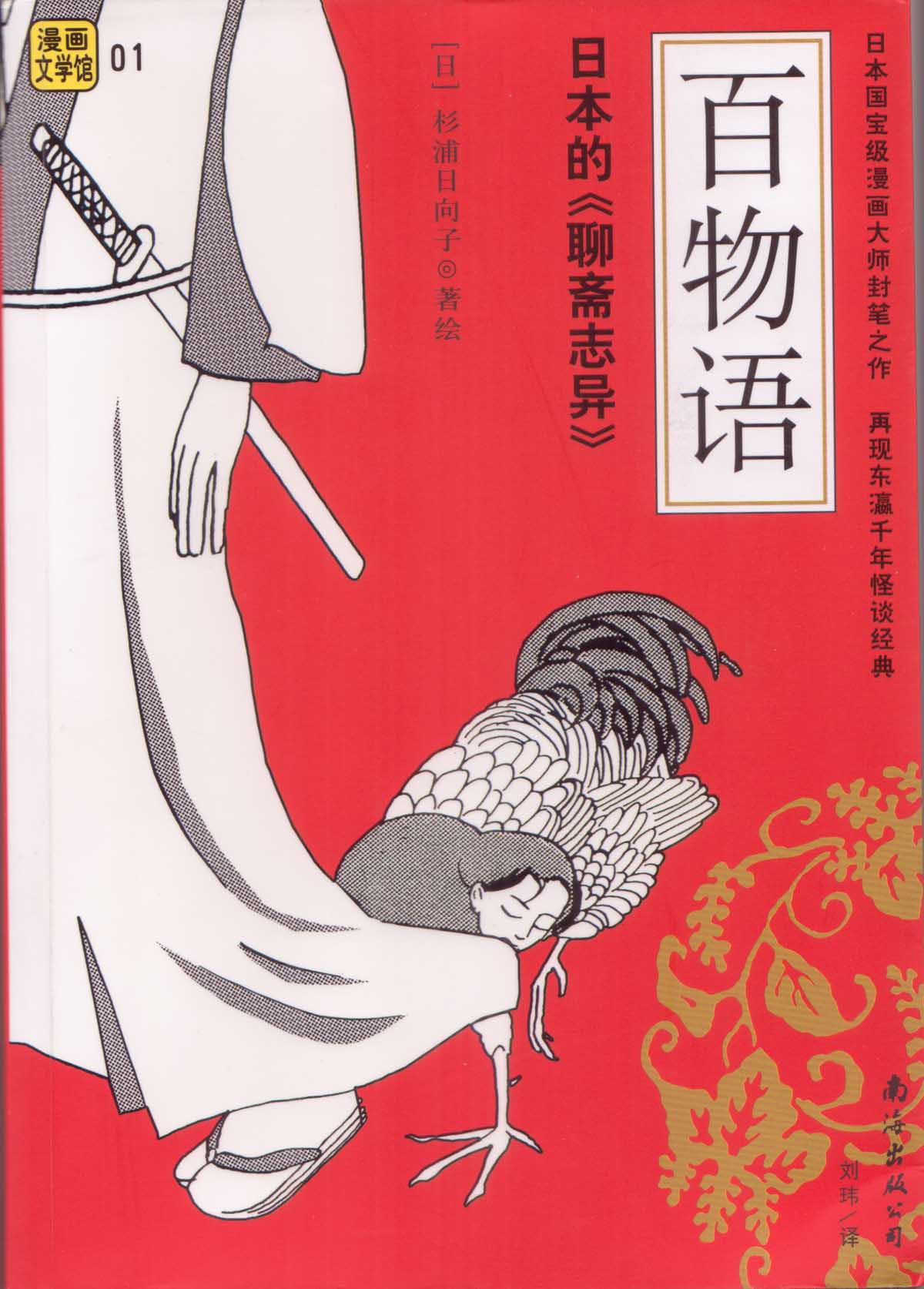
Ng Suat Tong discussed the work of manga-ka Hinako Sugiura.

I reviewed Terry Eagleton’s book On Evil.

Alex Buchet discussed how Superman and Shazam have affected the English Language.

Utilitarians Everywhere

At Madleloud I review The Best Music Writing 2010.

“Music itself is a call that demands response,” editor Ann Powers writes in her introduction to Best Music Writing 2010. That may be true, but it’s not exactly the message of the book she’s put together. She might have been more accurate if she had said, “Musicians are a call that demands response.” Or even, “the music industry is a call that demands response.”

Also at Madeloud, I review the new album by Ukrainian black metal group Drudkh.

At Splice Today I talk about R&B star Ciara’s career and her new album.

Other Links

This article sneering at any and all pop and rock is pretty entertaining.

I’m obsessed with the Wire at the moment. This essay about it is okay. Anybody find any better reviews online?

What’s In a Name?

This essay was originally published on Splice Today.
____________________

Do we really need a book defining evil? Most people, it seems, know evil well enough when they see it. Murder is evil. Torture is evil. Lying is evil and, as a direct consequence, politicians are evil. There are various caveats — some would argue that it’s not evil to murder an enemy combatant in wartime; others that waterboarding is not torture; still others that waterboarding Mark Thiessen is not torture; and still others that lying to your child about who delivered that Christmas present is not morally indecent.

Continue reading

Goodbye Dirk

As most of you probably know already, online editor Dirk Deppey has been let go by Fantagraphics.

Dirk promises some final thoughts tomorrow, and his twitter feed indicates the parting was extremely amicable. Personally, I think Dirk’s weblog, Journalista, is one of the few things tcj.com has managed to get right, both before last year’s redesign and after. Dirk’s been one of the most intelligent and idiosyncratic voices in the blogosphere. His weblog has been the anchor for tcj.com; the one consistent editorial presence on a site where management rarely puts in an appearance. I fear that without him the site will lose any semblance of a rudder.

But time will tell for that, I suppose. More importantly, this seems as good a time as any to acknowledge my debt to Mr. Deppey. Six years ago I was starting to try to get work as a freelancer, and sent an unsolicited article to TCJ. It sat there for months…until Dirk took over the editorship at the magazine and contacted me. I’d already placed the essay elsewhere, but he let me pitch a couple other ideas. Then he went to bat for the piece I produced when other folks at the magazine found it uncomfortably incendiary.

When I started this blog over at blogger, Dirk was far and away the most consistent supporter of the site. Tom Spurgeon, bless his heart, helped as well, but Dirk basically posted links to everything I wrote. This blog, and the audience and friends I’ve found through it, wouldn’t exist without him.

Some folks would probably count that as a mark against Dirk. Maybe so — but I know that I was not the only blogger who Dirk found and propped up. There are many other writers in the blogosphere who have had similar experiences. Dirk was tireless in locating new writers, and generous in sharing his audience with them. I’m eternally grateful to him for that.

Most of his readers probably think of Dirk primarily as an industry analyst. I always enjoyed his work in that regard, but I have to say I felt that in some way the analysis and the link-blogging were a waste of his talents. Because of his commitment to Journalista, Dirk rarely wrote long-form criticism — which is a shame, because he is probably one of the two or three best writers on comics around. His incredible, endless, delirious essay about Chobits, Love Hina, and biological determinism was perhaps the high point of his epochal shojo issue of TCJ. His 10,000 word essay on boy’s love and being a bottom is probably the best thing tcj.com published all year, and just a fantastic piece in any context. I selfishly hope that with Journalista done he might find time to write more critical and/or personal pieces in that vein.

So I’ll look forward to Dirk’s final Journalista tomorrow, and hope he keeps writing, either for tcj or somewhere else, either on comics or on other topics. Thank you, Dirk. Hope to see you soon.

Update: Dirk’s farewell column is now up. Characteristically, he put it at the end, so scroll down past the day’s links.

Moto Hagio: Girls and Artists

It took me a little while, but thanks to Melinda Beasi I finally caught up with a long review at Manga Curmudgeon by HU columnist Erica Friedman discussing A Drunken Dream. It’s in many ways a response (either intentionally or otherwise) to my series of posts on the book, and particularly to my discussion of critical reactions to the volume. It raises a bunch of interesting issues which I wanted to try to address.

Continue reading

Gluey Tart: Stray Cat

By Halco, 2010, Blu

I read this weeks ago and wasn’t thrilled with it, but decided it would do. (Wait a minute, the discerning reader might well be asking; just how low is the bar re. manporn you’re willing to waste our time with, anyway? And the answer, gentle reader, is that you should never ask questions when you don’t want to know the answer.) I wasn’t sure it would do initially, mind you. I only came to this conclusion after hours of the sort of intensive research you’ve come to expect here at Gluey Tart. No, no, I wasn’t cyber-stalking anybody. I read four more manga, and they were all worse.

Continue reading