That’s what Alan Moore told a recent interviewer. “I don’t think the superhero stands for anything good,” he said. “They were originally in the hands of writers who would actively expand the imagination of their nine-to-13-year-old audience.” But since all they do nowadays is entertain 30-60-year-old “emotionally subnormal” men, Moore considers superheroes “abominations” and their continuing dominance “culturally catastrophic.”
This from a self-professed anarchist who considers the shooting of government leaders a “lovely thought.” Little wonder his first superhero was a terrorist.
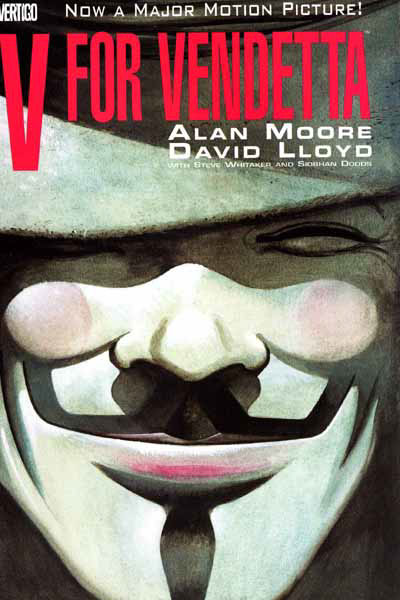
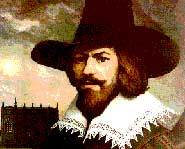
Moore and artist David Lloyd started V for Vendetta in 1981 for England’s since defunct Warrior magazine. I started reading it when the series moved to DC in 1988. I was 22, Moore’s age when he first conceived a story about “a freakish terrorist” who “waged war upon a Totalitarian State.” But it was Lloyd who transformed Moore’s freak into “a resurrected Guy Fawkes, complete with one of those paper mâché masks in a cape and conical hat.”
Their plan was to create “something uniquely British,” and, sure enough, the Fawkes reference meant absolutely nothing to this Pittsburgh-born college senior. When I’d read The Handmaid’s Tale the year before, I though Margaret Atwood was forecasting an original future: “when they shot the president and machine-gunned the Congress . . . The entire government, gone like that.” But Fawkes beat her by almost four centuries.
I didn’t read up on the Gunpowder Plot till I was a student teacher prepping Macbeth for a class of tenth graders. Shakespeare staged his tragedy of a regicidal anti-hero after Catholic terrorists tried to blow-up King James during the 1605 opening of Parliament. They’d rented a storage space under the House of Lords and crammed in three dozen barrels of gunpowder. Fawkes was arrested before he could light the fuse, tortured into betraying his dozen co-conspirators, tried, hanged, and his body displayed in pieces as a warning to sympathizers. He was still in prison when London lit bonfires in celebration of the King’s survival, and Parliament later declared the anniversary an official holiday, complete with fireworks and newspaper-stuffed “guys” set ablaze.
But hatred is a funny thing. Somewhere along the line the point of all those celebrations got hazy. Guy Fawkes Night lost its official standing in the 19th century—around when penny dreadful writers were converting England’s most abominable traitor into a romantic hero, a conspiracy Lloyd happily joined. “We shouldn’t burn the chap every Nov. 5,” he told Moore, “but celebrate his attempt to blow up Parliament!”
I want to say the American equivalent would be championing John Wilkes Booth or Lee Harvey Oswald, but Fawkes’ rehabilitation might be possible only because his assassinations failed. Benedict Arnold could be closer—except no one remembers what treason he was planning (and even if you do, surrendering West Point to the British just doesn’t have the same audacious charm).
So Lloyd wanted to “give Guy Fawkes the image he’s deserved”—but I’m not sure Moore was fully committed to the plot. Despite his anarchist rhetoric, he doesn’t “believe that a violent revolution is ever going to work,” and he doesn’t hide his freakish terrorist’s violence under POW! and BAM! bubbles either. It was Lloyd who banned the sound effects (along with thought balloons—probably the most important moment in Moore’s development as a writer), but Moore’s dialogue complicates the violence Lloyd renders otherwise bloodless:
“I’ve seen worse, Dominic, physically speaking. Like I say, it’s the mental side that bothers me . . . his attitude to killing. Think about it. He killed them ruthlessly, efficiently, and with a minimum of fuss. Whatever their faults, those were two human beings . . . and he slaughtered them like cattle!”
The terrorist also enters quoting Macbeth, the monstrous anti-hero Shakespeare’s audiences (including King James for whom it was commissioned) would have linked to Fawkes. Moore’s Chapter One title, “The Villain,” is a bit of a clue too. V goes on to murder and maim his way through some thirty more chapters, but the part that troubled me most at the time was the psychological torture he inflicts on Evey. Yes, he rescues the damsel from a back alley rape in standard Batman fashion, but then he dupes her into believing she’s been imprisoned by the fascist government, shaves her head, starves and waterboards her, all in the name of . . . what exactly? By the end Evey is a good little Robin, taking on her mentor’s mission, but there’s more than a whiff of Stockholm syndrome between the panels.
“The central question is,” Moore says, “is this guy right? Or is he mad? I didn’t want to tell people what to think, I just wanted to tell people to think and consider some of these admittedly extreme little elements.”
Which, by the way, is a pretty good example of using a superhero to actively expand an audience’s imagination.
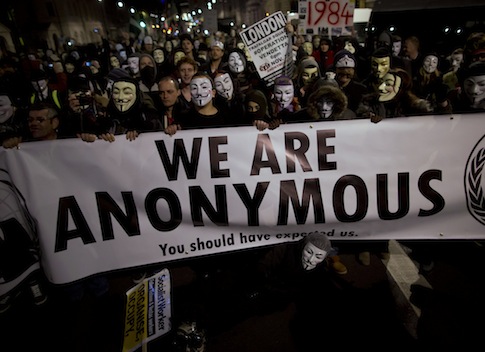
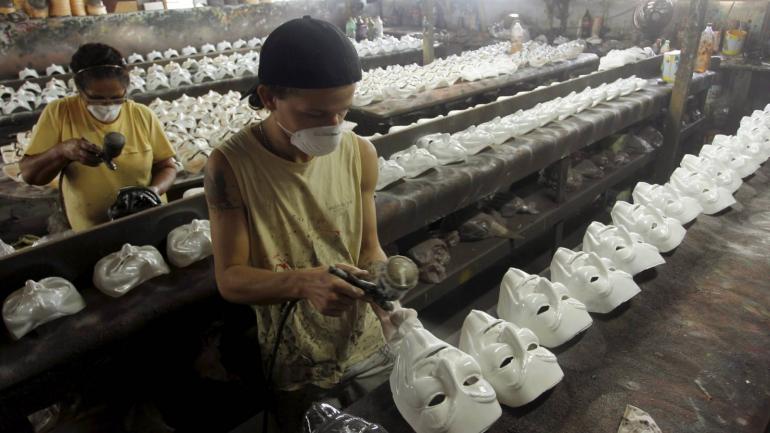
Meanwhile, Guy Fawkes keeps adventuring. The “hacktivist” network Anonymous adopted Lloyd’s Fawkes mask for their 2008 Scientology protest—which they then carried over to Occupy Wall Street and, most recently, a worldwide Million Mask March held on Guy Fawkes Day to protest government austerity programs. The group’s anti-corporate message, however, gets a bit hazy once you know Time Warner owns the copyright on the mask (via DC I assume) which are manufactured in South American sweatshops and earn the company a killing on Amazon.
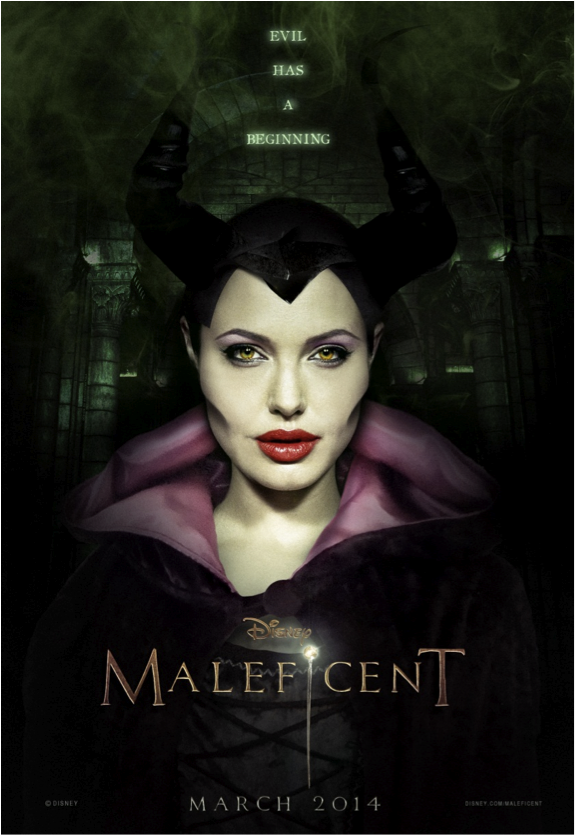
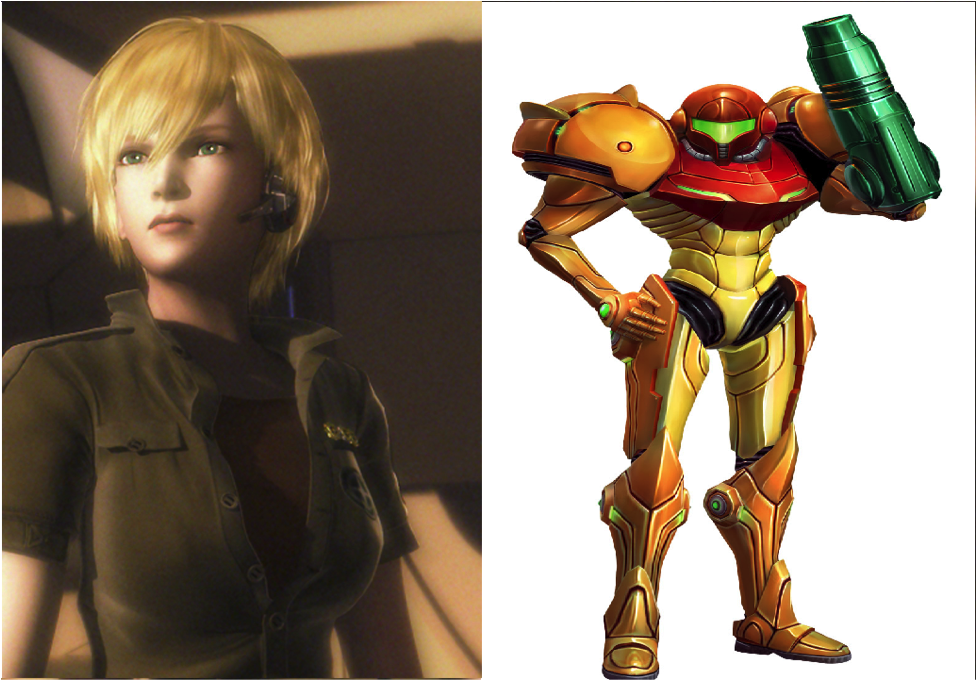
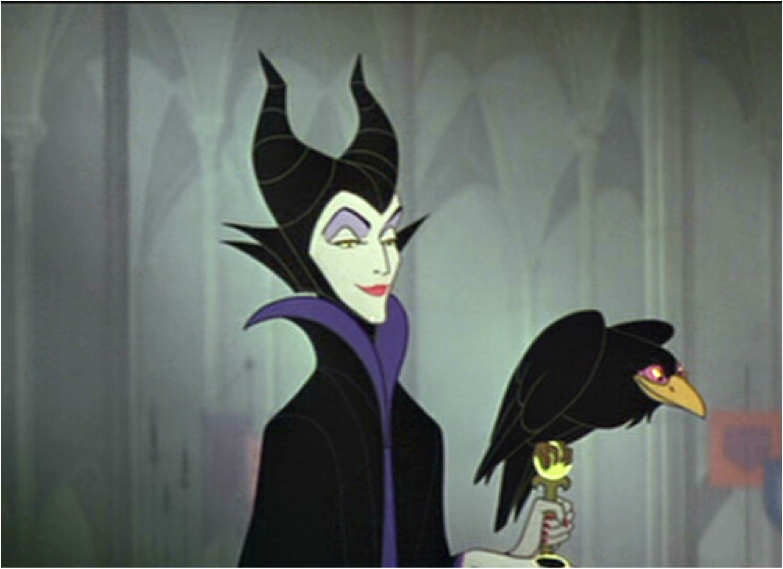
To say the announcement that Disney is working on a new, live action film adaptation of their most revered villain, Maleficent, the wicked fairy godmother from Sleeping Beauty sent shockwaves through the internet would be an enormous understatement. Reactions ranged from excited to ecstatic, with virtually everybody (at least within the range of cartoon enthusiasts, feminist, and feminist cartoon enthusiasts I spend much of my time with) thrilled at the idea of one of Disney’s most beloved creatures of wickedness getting the chance to tell her full story. But even as I shared in the excitement, I couldn’t help to thinking back to another story that had given a similarly ghoulish green witch a chance to tell her tale – Wicked, the book musical about how the Wicked Witch of the West got as wicked as she is. And after that, I remembered the existence of two pieces of media that explored the origins of famous heroines, namely Nintendo’s Metroid: Other M and Square Enix’s 2013 remake of the Tomb Raider series. Through all these works, we see two specific themes: the subject matter of a popular and critically acclaimed female subject, who has succeeded whether through the force of her character or her execution, and the need to redress this character, to explore who she is and how she became the person we know her as. And perhaps instinctively, this realization gave me a queasy feeling. Sure, it’s great to get character backstories, but why are we seeing all these female characters, characters that never needed an in depth explanation for who they were, being given backstories to justify their characters when justification was never necessary? Is it just an attempt to flesh out characters that may have only ever been seen as villains, or is there a more salient urge here, to strip female heroes and villains alike of their mystery and autonomy and make them explain themselves to us? From this perspective, it seems necessary to ask what it is that the new Malificient film does; does it validate her, giving us an idea of why she is who she is, or does it undo her, removing the excess villainy and mystery that made her at once so captivating and inspiring to viewers?
Didn’t she play Lara Croft too? Or am I just losing it…
Like a male hero or villain, there are myriad reasons a female hero or villain may succeed, or fail, in their given function. But unlike most male characters, female characters are also caught up in the complex politics of representation and sexualization, and must be interrogated with pointed questions to determine whether they break down sexist stereotypes or uphold them. Upholding the institutions of sexism is done in ways that range from outfits to motivations; if the heroine or villainess wears the same three loose pieces of cloth everywhere she goes, she’s demeaning eye candy for men, and if her motivations are for romance, wealth, or eternal beauty, she’s a damsel, a conniving harpy, or any one of the literal hundreds of pre-formed molds made for female characters of all shapes and DnD alignments. To escape this is no easy task, for it requires simultaneously the recognition of the female character’s specific social position while also being clear to point out that her gender changes nothing about her basic human motives, objectives and desires. In this sense, characters like Maleficent and Samus Aran of the Metroid game succeed; their motivations do not rest in anything directly coded as feminine, but simply in who they are as human beings (or in Maleficent’s case, fairies). And while Elphaba and Lara Croft no doubt fulfill sexist functions (in the case of the former, being a vindictive hag and in the latter, being eye candy for 13 year olds with a PlayStation) their characters seem to exist and have motives for action outside of them. From craving treasure to craving vengeance, acting out of senses of duty, honor, wickedness and for the thrill of it, the motivations of these women are not wholly contingent on their gender; anyone in Elphaba’s position would want to avenge their sister, and the tropes of bold and brash treasure hunter like Lara Croft is as common as the adventure genre itself. And more importantly, the motivations of these characters don’t really need to be qualified; we have seen enough villains and heroes with them to not so much bat an eye at them. Does this drive to qualify the motivations of female characters represent a drive to strip them of their character nuances, as if we as viewers have trouble believing that they, as female characters, are capable of doing the things they do without qualifying it?
Is it really necessary to know how this became this?
With Maleficent in particular, this question is troubling. More than any of the previously outlined characters, Maleficent triumphs not because she is a character so much as she is a symbol, an awe-inspiring avatar of wickedness and malevolence in semi-human form. This is what, in the already impressive pantheon of comic, tragic and wicked villains of the Disney canon, makes her stand out as above and beyond the rest. The average Disney villain may have myriad motivations and reasons for being evil, be they jealousy, gluttony, old grudges or simple dislike of the protagonist. But Maleficent is above such petty mortal concerns. It is true that she is slighted in not being invited to Princess Aurora’s Christening, but this seems little more than pretext for her to unleash her evils upon the kingdom. And were it not for the meddling of the “good” fairies, she would have succeeded; by the films halfway point, she has the prince in chains, the princess in eternal sleep, and the kingdom completely plunged in darkness. Further, she never relies on the powers of her minions to get things done: for the most part, it is her who does the plotting, the trapping, and most of all the fighting, and she does it damn well. By the film’s final act, she has become evil itself, manifesting as an enormous black dragon capable of leveling entire kingdoms, before good triumphs and she is finally slain once and for all. Even as she loses, she stands out in a way no villain has before or since. Maleficent is a force of nature, an awe inspiring manifestation of villainy in its purest, most captivating form, and it is in the very force of her evil and power that she has emerged as the perennial, classic villain of the Disney mythos.
According to the Wikipedia page for the new Maleficent film, our favorite evil fairy is being recast as a defender of nature and wildlife from the encroaching forces of man. Is this how far the mighty have fallen? The dark lady Maleficent, a militant Greenpeace activist? Forgive me if I don’t sound too enthused. In some cases, fleshing out the ideas of female villains and heroes gives them an extra bit of dimension they previously lacked; with Wicked especially, we got to see an arresting and ultimately convincing portrait of the Wicked Witch, with her origins as dreamy idealist and the way the corruption of the world she lived in made her something far worse. But this recent spate of female backstories too often seems to ask questions that don’t need to be asked, namely why do these characters, characters we already know and care about, act the way they do? For Maleficent this is a pointless line of inquiry. Maleficent has never operated on the basis of everyday logic and passions, for if she did she wouldn’t be a fire breathing sorceress living in a rickety castle in the darkest, creepiest corner of the Earth. What makes Maleficent a gripping character is not who she is, but what she represents. She is evil incarnate, angry, spiteful, cunning and all-encompassing evil, and the fact that she happens to manifest this in a female form seems to make little difference. But in creating a new backstory for her, in the same vein that other classic female characters have had done for them, we see an underlying anxiety not on the part of the viewers, but on that of the producers who both want to make a buck on and feed into the ever-more pervasive idea that classic female characters have to justify their very existences as classic characters.
So, I ultimately pose this question; is a new Maleficent film really necessary? Do we have to create a backstory for a character who’s more a force of nature than anything, and deconstruct everything she represents to a world where powerful female symbols are already rare to nonexistent? In undoing Maleficent and other female characters like her, are we selling them short, and telling them that we don’t believe that they can be gripping, powerful and meaningful on their own terms?
My answer to this is yes. Rather than revisiting classic female characters, it seems a much better use of the time and energy of writers and artists everywhere to build off of them, to learn from their mistakes and appreciate their impact, and create new, dynamic characters that through their actions destroy expectations of gender and all related institutions. Rather than undoing Maleficent, we should champion her cause, and learn from the things she has taught us about character designing and building. If we do not do this, moving forward will only become more difficult, and the mistakes of the past will just keep repeating themselves.
This August 2014, Disney is releasing a major feature film based on a comic published by its Marvel subsidiary, Guardians of the Galaxy. The spacefaring supergroup is a hodgepodge of characters coming from all over Marvel’s last five decades, and from many different artists and writers.
As these last are often denied proper credit, below we present an illustrated list of the main creators involved.
The Guardians
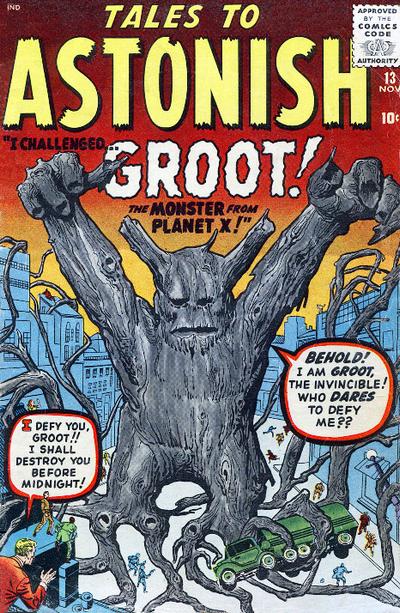
Groot was created by Jack Kirby, with Stan Lee (script) and Dick Ayers (inks) in Tales to Astonish 13.
cover art by Jack Kirby and Steve Ditko
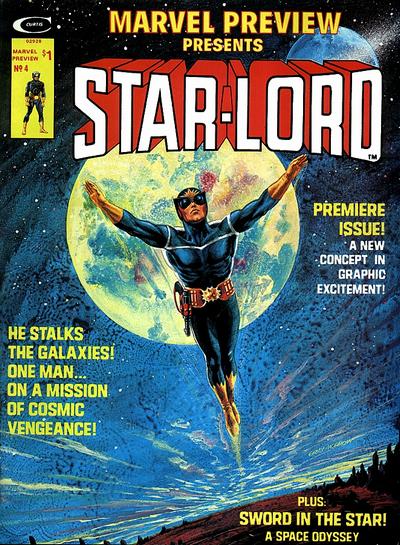
Star Lord was created by Steve Englehart (script) and Steve Gan (art) in Marvel Preview 4.
cover art by Bob Larkin
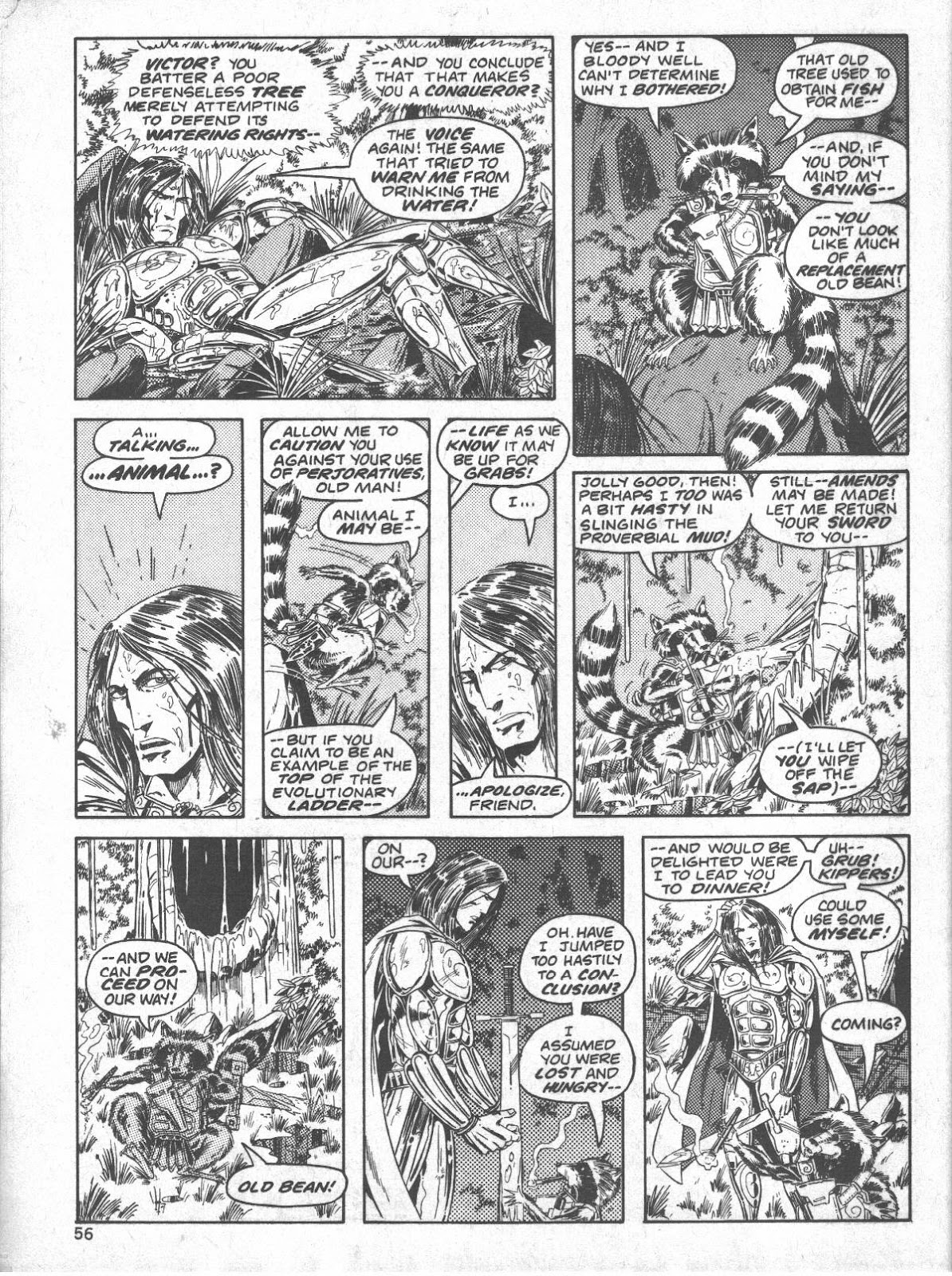
Rocket Raccoon was created by Bill Mantlo (script) and Keith Giffen (pencils) with Rick Bryant (inks) in Marvel Preview 7.
art by Giffen and Bryant
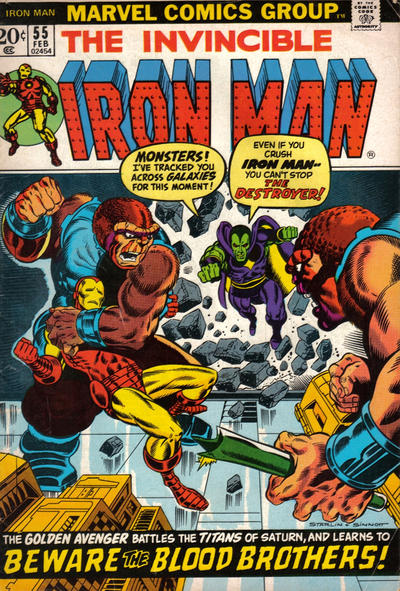
Drax the Destroyer was created by Jim Starlin (pencils, concept) with Mike Friedrich (dialogue) and Mike Esposito (inks) in Iron Man 55.
cover by Jim Starlin and Joe Sinnott
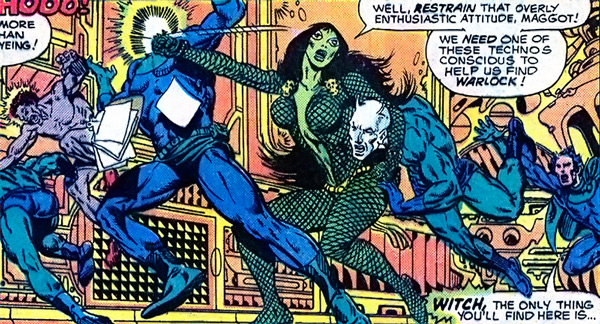
Gamora was created by Jim Starlin in Strange Tales 180.
art by Jim Starlin and Steve Leialoha
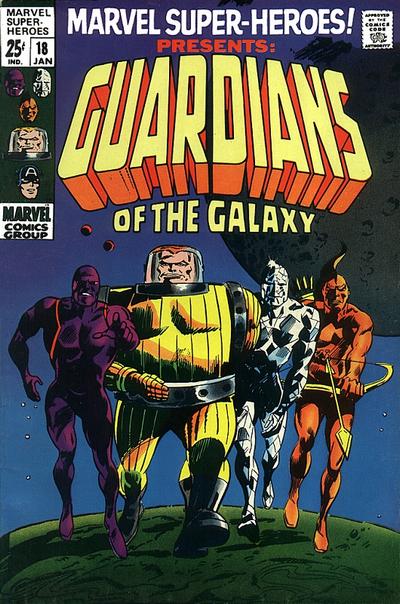
Yondu was created by Arnold Drake (script), Gene Colan (pencils) and John Tartaglione (inks) in Marvel Super-Heroes 18.
cover by Gene Colan. Yondu is the archer character on the far right.
Other Characters
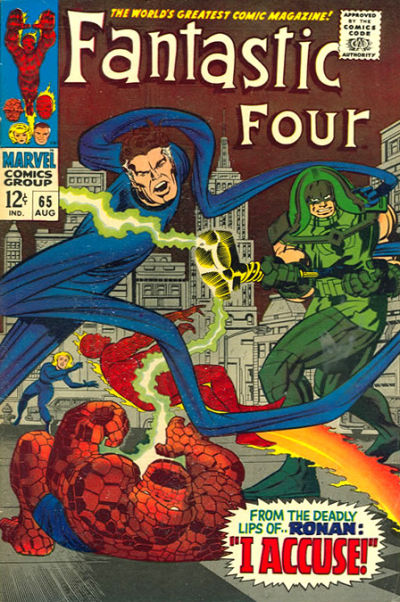
Ronan the Accuser was created by Jack Kirby, with Stan Lee (script) and Joe Sinnott (inks) in Fantastic Four 65.
Cover by Jack Kirby and Joe Sinnott
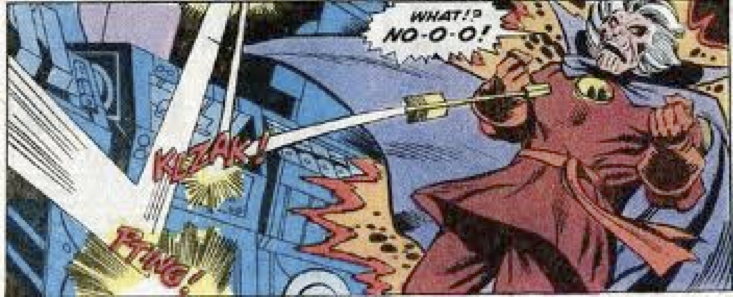
The Collector was created by Stan Lee (script) and Don Heck (pencils) in The Avengers 28.
Pencils by Don Heck
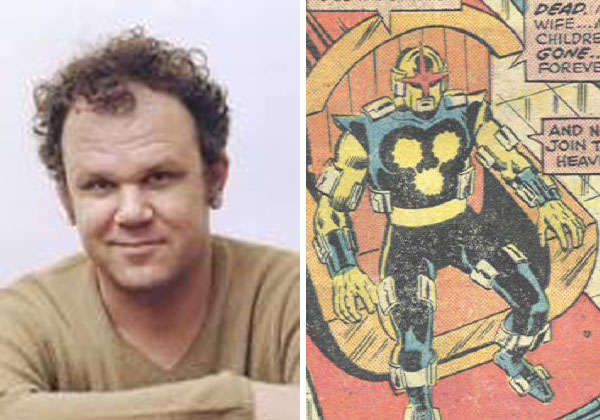
Rhomann Dey was created by Marv Wolfman (script) with John Buscema (pencils) and Joe Sinnott (inks) in Nova 1.
Left: John Reilly, who plays Rhomann Dey in the film; right , art by John Buscema and Joe Sinnott.
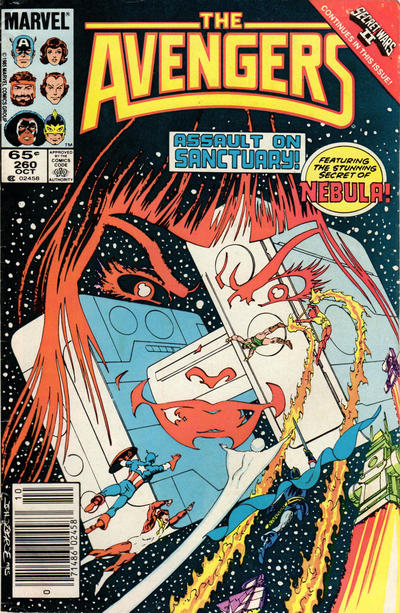
Nebula was created by Roger Stern (script) and John Buscema (pencils), with Tom Palmer (inks) in Avengers 257.
Cover art by Al Milgrom
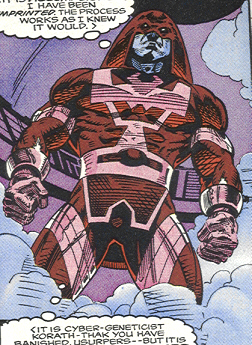
Korath the Pursuer was created by Mark Gruenwald (script) and Greg Capullo (art) in Quasar 32.
There you have it, though other characters and concepts by Marvel-paid creators doubtless also figure in the film (which, from what I’ve seen, will be a very enjoyable romp.)
It would be good and ethical were the corporation behind it to reward these creators with some cash. But, given Marvel and Disney’s traditional attitudes of gratitude, I’m not holding my breath…
We did most overrated ban a couple weeks back, so figured I’d try the flip side.
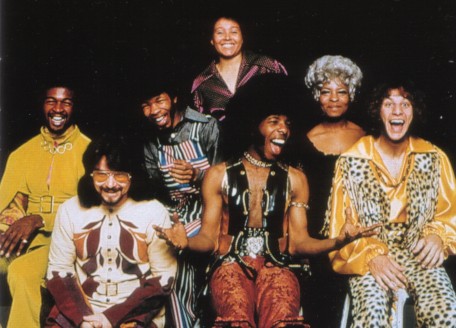
This one’s trickier for me than overrated…but I think I might go with Sly and the Family Stone. They are much admired, but they tend to be sort of an afterthought in terms of great sixties boomer bands, when I think they’re actually way more innovative/important/influential than the Rolling Stones, or Dylan, even Hendrix. Even bands like Funkadelic or Outkast, who owe a huge debt to Sly, tend to get more props.
Other picks…um…I think the Bangles are great, which is not a widely held opinion, I know. I think Destiny’s Child is brilliant and important, which again isn’t a consensus opinion.
What do you folks thinks? What’s the most underrated band/musician?
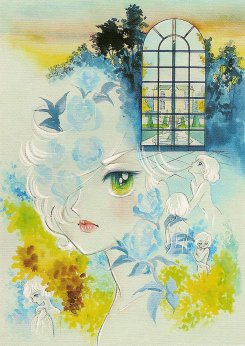
Femininity is not frequently accorded respect. In gay culture, “femme” is still rarely an option associated with strength, meaning, knowledge, and freedom. At best, girliness may have a temporary strategic appeal, but it can’t be dissociated from values of impotence, consumption, and passivity, articulating itself only through cruel gossip and tacky melodrama. This may explain partly why the hyperfeminized scenes and characters of Japanese comics (manga) for adolescent girls (shojo) has had so little appeal to American fans of superhero comics, fine art, literary fiction, or their collective unholy offspring, alternative comics. And yet I insist that the art now on display in the group survey show Shojo Manga! Girl Power! at Columbia College’s modest C33 Gallery, is more worthwhile, on the whole, than the work on display in Los Angeles in the all-star Masters of American Comics show, soon to be coming to the Milwaukee Art Museum. The reason I find a collection of work by Japanese masters like Osamu Tezuka, Ryoko Ikeda, Moto Hagio, Masako Watanbe, and the female art and writing collective CLAMP so important is not only because the shojo manga form will continue to gain in influence in the U.S., but because it shows possibilities for comics that have been largely untested by Western creators.
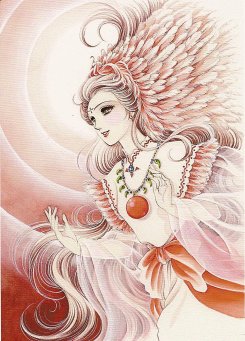
Despite the show’s celebratory title, I would hardly make a claim that, if any form of pulpy pop culture is going to set young women free, shojo manga will be that emancipatory force. On the other hand, shojo manga exemplifies many of the seeming contradictions I often find moving in Japanese visual art. The page layout is utterly unlike the traditional ice-cube tray format of American comics, merging the elegant, startling shapes and juxtapositions of Russian Constructivism with the Eurotrash hair-model illustrations of Patrick Nagel and the enormous sparkling eyes of scruffy soulful orphans in thrift-store paintings. This sense of giddy, helium-sucking boundlessness applies generally to the storytelling in shojo manga as well. Distinctions blur between inner and outer states, waking and dreaming, past and future, male and female, gay and straight. Identities and realities swim in a candy-coated vision of romantic glory that, despite the petty objections of sundry aesthetes, hardly qualifies as disposable or superficial, particularly in comparison with the cartoony but macho post-Pop skater and graffiti art that has received undue respect in the art world for far too long.
Writers in the two sources I consulted, the Shojo Manga! Girl Power! catalog and the July 2005 edition of The Comics Journal, which was devoted exclusively to shojo manga, obsessively reiterate the immense popularity of the medium, both in the U.S. and east Asia. In Japan, comics conventions peopled almost entirely by women (as yet unheard of here), most of whom are allowed and encouraged to self-publish and sell their fan fiction (ditto), can pack in upwards of 500,000 attendees. In the U.S., the market for manga has recently topped $100 million yearly, the majority of those sales going to shojo manga titles, presumably being bought mostly by teen and pre-teen girls. As I’ve intimated, though, the content of shojo manga is what makes it extraordinary. Themes of abuse, suicide, sex, and changing family structures are dealt with in operatic and soap-operatic style. But perhaps the most provocative aspect is the resounding success of comics for girls that deal with homosexuality and highly unstable gender roles. Beginning with the unchallenged master of the media of manga and anime (animation), Osamu Tezuka, the 1953-56 story Ribbon no Kishi (The Knight of the Ribbon, or Princess Knight), featured the princess Sapphire, who carries within her the heart of a man and the heart of a woman. She is prevented from ascending the throne as a woman, and is raised as a boy, but then falls in love with a prince from a neighboring kingdom, and so re-feminizes herself with a flowing, flaxen-haired wig. Another major series, Ryoko Ikeda’s The Rose of Versailles (1972-73), focuses on Oscar, the daughter of a noble family who is raised as a boy and serves as a military commander under Marie Antoinette, falling in love with Andre, the son of her wet nurse. But cross-dressing suggestiveness, while its popularity endures, has since expanded into explicit homosexuality (primarily male), along with magical and futuristic gender-role chaos, as central features of top-selling comics for girls and women. While not featured in the exhibit, the SM! GP! catalog, as well as the Comics Journal special edition, discuss the established genre of explicit male homosexuality (aimed at female readers) known as yaoi, a term derived from the first syllables for the terms “no climax,” “no point,” and “no meaning” — though the acronym also serves for the phrase “Stop, my butt hurts!”
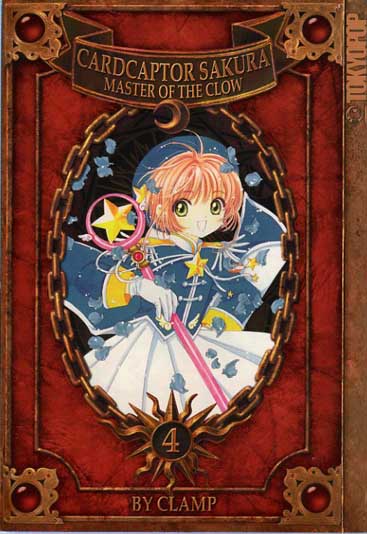
The show of 23 landmark shojo manga artists at C33 isn’t always easy to look at. The pieces are crowded together under plexiglass and mat board, and are confusingly organized with respect to titles and explanatory labels. Numerous pieces are hung facing the windows as a lure to passersby, which means you have to climb into the windows, putting yourself on display, in order to get a good look at some images. Artwork of such fine detail and vivid color suffers from the cramped conditions (though it’s nonetheless impressive that someone figured out how to get all the art to fit). This show in this space feels something like a high-end airbrush studio specializing in sadomasochistic sci-fi wedding portraits. However, the art is often beautiful, the historical sweep is edifying, and it’s hard not to enjoy many of the plot synopses, such as that for CLAMP’s 2003 Cardcaptor Sakura series “Tsubasa (Wings),” which includes the line: “One day, when Sakura touches some old ruins, she falls down, and her memory flies beyond time and space. To help Sakura, Yiao Lion visits a witch and begins the journey to find Sakura’s memory.” The show is additionally enhanced by a stack of free Shojo Beat magazines. This provides an important element by allowing viewers a chance to see mainstream shojo manga in its natural habitat, black-and-white panel narratives on newsprint, as opposed to the painted pin-up images that rarely appear in print, but dominate the exhibit. Seeing these soft watercolor washes, the collaged textures, and the immaculate lines up close is a viscerally dazzling experience that, in its aggressive perfection and macabre, sexually charged energy, succeeds in belying, if subtly, Western preconceptions of the feminine. At the same time, its idealized internality and open-ended imagining evokes what psychoanalyst Jacques Lacan termed “jouissance,” a state of bliss outside of language, accessible to only the female mind.
&nbps;
A sure sign you’re running for President: firing your racist sidekick.
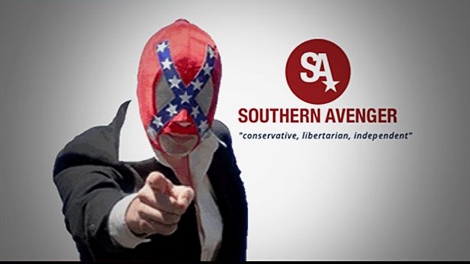
Last summer Kentucky Senator Rand Paul, by “mutual decision,” accepted the resignation of his aide Jack Hunter, AKA the Southern Avenger. Rand is having trouble climbing out of his father’s Libertarian shadow along with all those shadowy white supremacists the Libertarian brand attracts, so Hunter’s views on Southern succession, the Lincoln assassination, and whether “a non-white majority America would simply cease to be America” were declared a “distraction.”
Hunter also retired the Southern Avenger (he reportedly adopted his radio shock jock persona during a conversation with a bottle of Jim Bean), but not before co-writing Paul’s The Tea Party Goes to Washington. Hunter did not co-write the sequel, Government Bullies, which was an even bigger “distraction” because the Senator plagiarized it instead. That would get him expelled from my college, but the White House has different standards.
I teach at Washington & Lee University, in a smallville known as a War-Between-the-States tourist Mecca, so I’m familiar with all brands of Southern Avengers. The remains of not one but two Confederate generals rest within a half-mile stroll of my front door. Confederate flags are common—though, unlike Mr. Hunter, most folks don’t sport them on superhero-style masks. Even Captain Confederacy (a creation of comic book writer and former Minnesota gubernatorial candidate Will Shetterly) retired his mask when his series moved to Marvel’s Epic back in 1991. The comic was set in an alternate universe in which the Confederacy won the Civil War (apparently the same universe Newt Gingrich visited for his 2005 Gettysburg novel). After Shetterly retired his first Captain, he has a black woman take over the identity, draping Old Dixie across her breasts.
If that sounds implausible, then you didn’t attend my town’s council meeting in which Southern Avengers protested the banning of Confederate flags from city flagpoles. I can’t criticize since I used to wear the same image across the back of concert t-shirts, believing it represented nothing more than a subgenre of rock. I was sixteen and still preferred Lynyrd Skynyrd’s Gimme Back My Bullets over R.E.M.’s Fables of the Reconstruction.
Civil War reenactors, another common spectacle in Lexington, VA, attended the council meeting too. W&L borders the Virginia Military Institute where I watched a legion of gray-clad and hoop-skirted extras cheer a regal Stonewall Jackson while shooting a scene for the 2003 Gods and Generals. W&L declined the film company’s request to shoot on our campus. For Somersby, crews shoveled the historic downtown streets with dirt and angled the Exxon station out of shots. I’ll watch Jodie Foster in anything, but I like Somersby for its time period. Reconstruction is way more interesting than the Civil War.
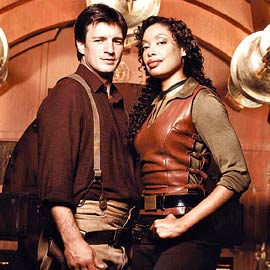
Marvel movie guru Joss Whedon agrees. He started writing his TV series Firefly after reading Michael Shaara’s The Killer Angels. Whedon also took an undergraduate class from Richard Slotkin, author of Gunfighter Nation, a seminal study in American frontier mythology. Whedon sets his dystopic future six years after a Civil War with a dispossessed Confederate soldier (he sings “We shall rise again” in the premiere) for a space captain. “Mal’s politics,” says Whedon, “are very reactionary and ‘Big government is bad’ and ‘Don’t interfere with my life,’” attitudes Senator Rand and his former sidekick sing about too. But unlike the Tea Party, Whedon sees both sides: “sometimes he’s wrong—because sometimes the Alliance is America, this beautiful shining light of democracy. But sometimes the Alliance is America in Vietnam: we have a lot of petty politics, we are way out of our league and we have no right to control these people. And yet! Sometimes the Alliance is America in Nazi Germany. And Mal can’t see that, because he was a Vietnamese.”
Actually Mal is the very Caucasian Nathan Fillion, but his second in command, like the second Captain Confederacy and at least one of the flag-wearing protesters at the Lexington council meeting, is an African American woman (AKA, Gina Torres). Whedon’s Confederacy never had slavery. Which is why his take on the Reconstruction is both watchable and a complete cop-out. In some ways, I prefer Edgar Rice Burroughs’ dispossessed Confederate soldier, John Carter. He heads West to dig gold and fight Injuns but ends up on Mars instead—where, surprise surprise, he gains superpowers and champions a ruined race of aristocrats against four-armed apes and green heathens. The Princess of Mars gave me allegorical whiplash, but at least Burroughs’ politics aren’t hard to decode. The South is dead, long live the South.
John Carter and Mal Reynolds are both Reconstruction-fueled space cowboys, which makes them descendants of the real life Southern avenger Jesse James. During the war, James fought as a Missouri bushwhacker against local Union militias. After Richmond fell and General Lee surrendered, the pardoned general-in-chief served as president of my university. Jesse James kept fighting. He saw his campaign of train and bank robberies as resistance to Republican-led Reconstruction. After his murder in 1882, dime novelist converted him into a gunslinging Robin Hood. Like the more recent Southern Avenger, James was also a political columnist. Jack Hunter wrote for the Charleston City Paper, where his articles remain online because his editor refused his request to remove them. James wrote his diatribes for the Kansas City Times, where the owner was a fellow vet working to restore ousted successionists to office.
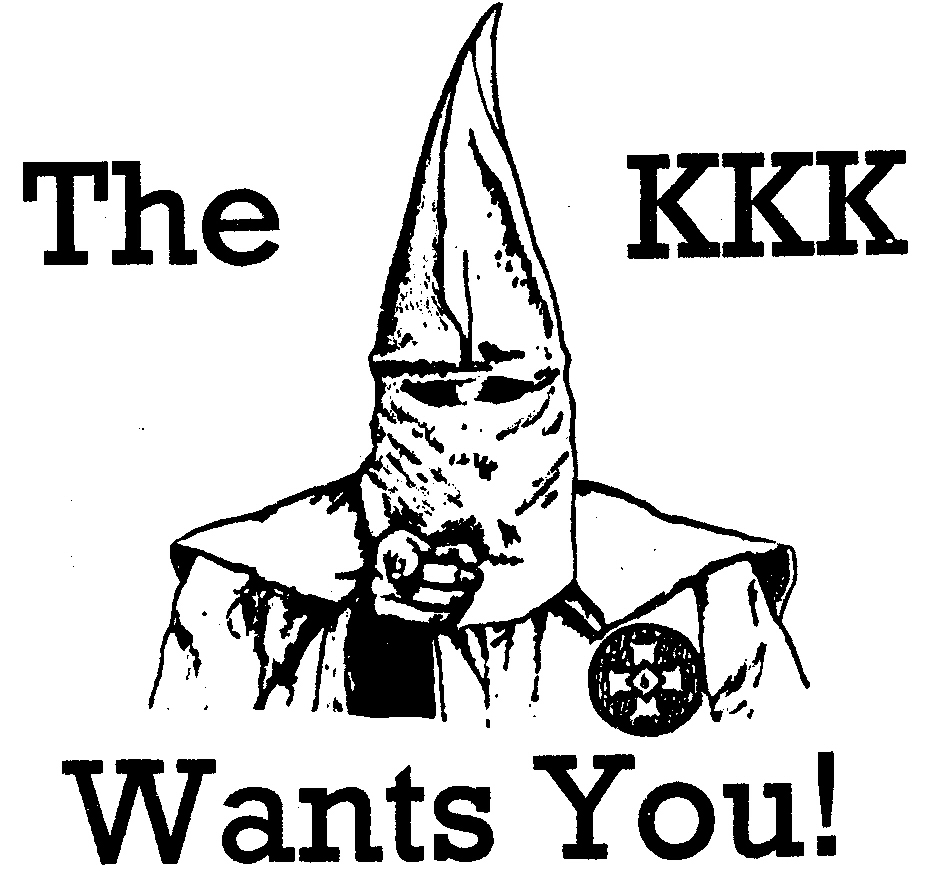
Missouri elected Democrat Senator Francis Cockrell in 1875, who went on to serve five terms before retiring. To the best of my knowledge, Jesse James was never his aide nor helped him plagiarize any books, but the senator was evidence that the Radical Republicans (their term) had lost control of Reconstruction. The era formerly ended in 1877 when President Hayes withdrew the last federal troops. Their departure also marks the end of the South’s most famous team of masked avengers, the Ku Klux Klan. They’d started as a social club of Confederate vets in Pulaski, Tennessee, but grew into paramilitary groups that openly murdered opponents and police.
Like the X-Men, the Klan also wore identical costumes while led by a man codenamed “Cyclops.” The X-Men attract an impressive range of southern mutants, including Rogue, Gambit, Cannonball and the Blob. Technically DC’s Swamp Thing is a Southerner too, since he crawled out of a Louisiana swamp, but he and his superhero kin are no Southern Avengers. Superman first battled the Klan on the radio 1946, and he’s been followed by the Defenders, Black Panther, Batman, and both the Justice League and the Justice Society.
Hell, even the Southern Avenger hates racists now. Hunter blames all those old slurs of his on that pesky mask: “Whenever I put on that wrestling mask, I took on a persona that was intentionally outrageous and provocative. I said many terrible things. I disavow them.” The unmasked Hunter now criticizes fellow Republicans who dismiss “the idea that racism is actually a problem. I used not to see it. For that, I am very sorry.”
That’s more of an apology than the Confederacy ever offered its African American population. I wouldn’t call it superheroic, but if the Southern Avenger can transform himself, maybe there’s hope for the rest of our disunited States too.
Fact: Women are problematically objectified in mainstream superhero comics.
This much is undeniable. And, to be blunt, inexcusable. But that doesn’t mean that it isn’t worth thinking about exactly how this objectification works (with an eye towards systematic attempts at educating readers about, and hopefully eliminating, the problematic aspects of such objectification, if nothing else).
Some might argue (and many misguided souls have tried) that males are also objectified in comics, insofar as overly exaggerated, hypersexualized depictions are as much the norm for male superheroes as they are for females. This is true, but it misses an important point: unrealistic depictions of male anatomy and garb in superhero comics plays a very different role than analogous distortions of female anatomy and clothing.
I am not going to try to sort out the differences between how males and females are depicted in comics here (it is sometime said that the difference is that superheroes are drawn the way that adolescent readers of comics want to be, and that superheroines are drawn the way that adolescent readers of comics want their girlfriends to be – this seems like a stab in the right direction, but it is both too simplistic and ignores the fact that the readership of superhero comics is much wider than the basement-dwelling, maladjusted adolescent males that the explanation seems to rely on). What I am going to do is highlight an interesting sub-phenomenon – superheroines whose hypersexualization is linked to their very real (albeit fictional) power as superheroines.
Here is one natural thought about hypersexualized depictions in general, and of superheroines in particular: Such emphasis on, and exaggeration of, secondary sexual characteristics such as breast size and waist-to-hip ratio serves to rob female characters of power. In emphasizing the superheroine’s role as a potential, and exaggeratedly desirable, partner for the male characters in the narrative (and, indirectly, for the reader), the superheroine in question is reduced to an object to be possessed, rather than a subject with her own autonomous agency and efficacy. As a result, the superheroine – super-powered or not – is rendered relatively powerless and hence relatively unthreatening to the male-dominated (both the characters and their fans) world of mainstream superhero comics.
Now, this is, to be honest, a bit too quick. After all, the objectifying sexualization of female characters in comics can serve to emphasize a superheroine’s sexual power (although this strategy is most often applied to villainesses, since female sexual power is conventionally troped as threatening and hence evil). But sexual power – especially female sexual power – is typically treated as somehow deviant compared to the kinds of physical, economic, political, and social power typically associated with, and monopolized by, males. So the analysis of devaluing and/or rendering harmless via hypersexualization still applies.
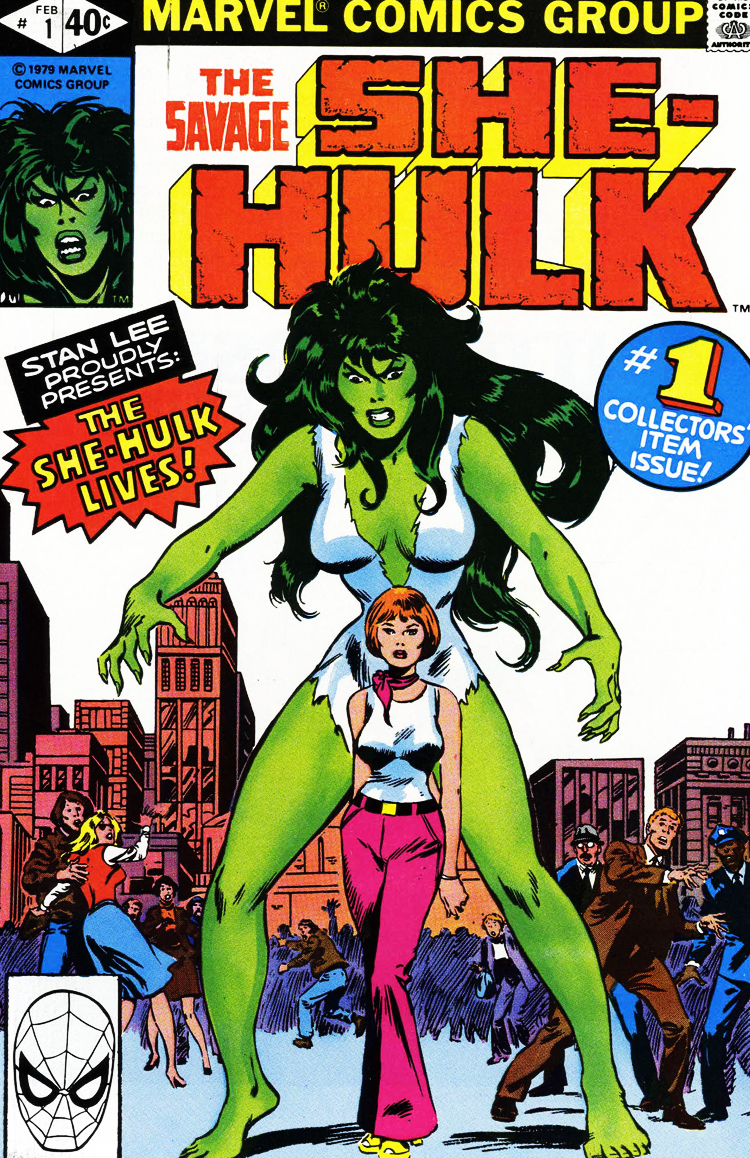
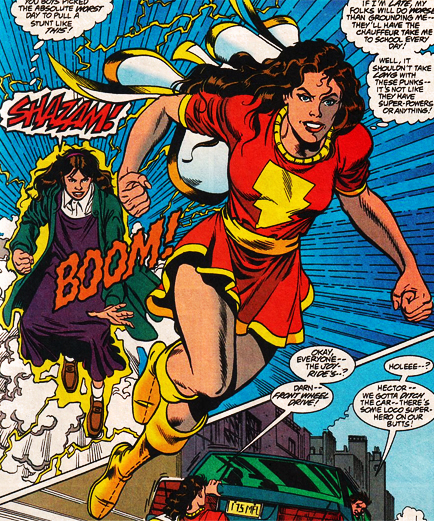
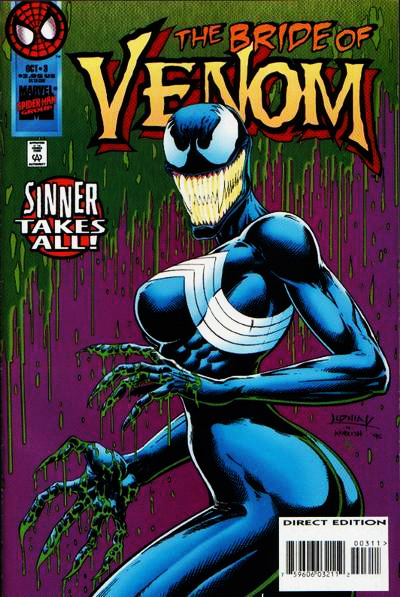
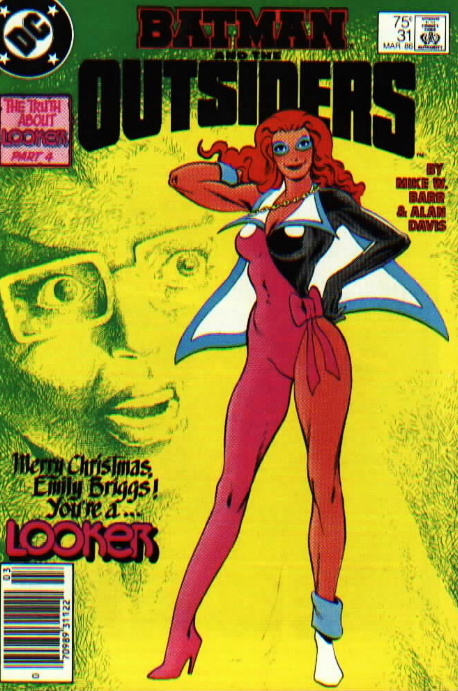
There is no doubt that the far-too-common depictions of superheroines as super-endowed, scantily clad supermodels whose primary role is to be saved by, avenged by, or romanced by their superhero compatriots has played exactly this role in the past. But there are a handful of female characters whose depictions throw a complicating monkey-wrench into the mix. I have in mind those characters whose transformations into their superpowered forms also involve physical transformations from more realistic (relatively speaking) depictions to the sort of unrealistic, hypersexualized forms at issue here. Prominent examples include the She-Hulk and the Red She-Hulk (whose transformations from human form to ‘hulked-out’ form also involve dramatic alterations to relative breast size, waist-to-hip ratio, etc.) Mary Marvel (whose transformation upon uttering “Shazam” involves morphing from a teenage girl to a mature woman), Looker (whose acquisition of superpowers also involved substantial ‘positive’ changes in her physical appearance), Titania, the Bulleteer, any female Marvel character who has interacted with any version of the Venom symbiote, etc. etc.
In all these cases, the acquisition of superpowers is explicitly associated with a change in appearance, from (again, relatively speaking) roughly realistic anatomy and habits of dress to explicitly sexualized, overly exaggerated forms (and, in many of these cases, there is also a marked increase in confidence and authority). As a result, it is hard to square these cases with the analysis just given of hypersexualization as a means to strip female comic book characters of power, since in these cases exaggerated anatomy and revealing clothing are explicitly associated with the acquisition of power.
As a result, we are left wanting an analysis of how, exactly, hypersexualized depiction of these characters works (especially with regard to the sorts of power these characters are depicted as having, and actually have, within the fictional narratives in question). Is it possible that these female characters somehow destabilize the status quo with regard to depictions of females, and thus represent some sort of subversive interrogation of gender roles and power in comics (intentional or not)? Are they just as worrisome as more ‘traditional’ hypersexualized depictions of female superheroes, regardless of whether they complicate our understanding of the relation between sexual objectification and power? Is this merely just a strange little quirk, unimportant in comparison to the more straightforward, and sadly extremely common, objectification found in mainstream superhero comics?
So how do hypersexualized superhero transformations work?