How Clear is the Clear Line in Rutu Modan’s The Property?

I just got my hands on a copy of Rutu Modan’s The Property after reading some good reviews of it online here and here. Modan is one of those artists who people always seem to describe in terms of her sensibility, and I can see why. She has a singular way of treating heavy subjects with a visual brightness in her coloring and use of clear line, and a levity in her writing of dialogue, that brings the tragic into contact with the everyday without diminishing the reality nor the importance of either. Much like her last long-form graphic work, Exit Wounds, the story recognizes the power and importance of the past without wallowing counterproductively in it, or misappropriating it.
 

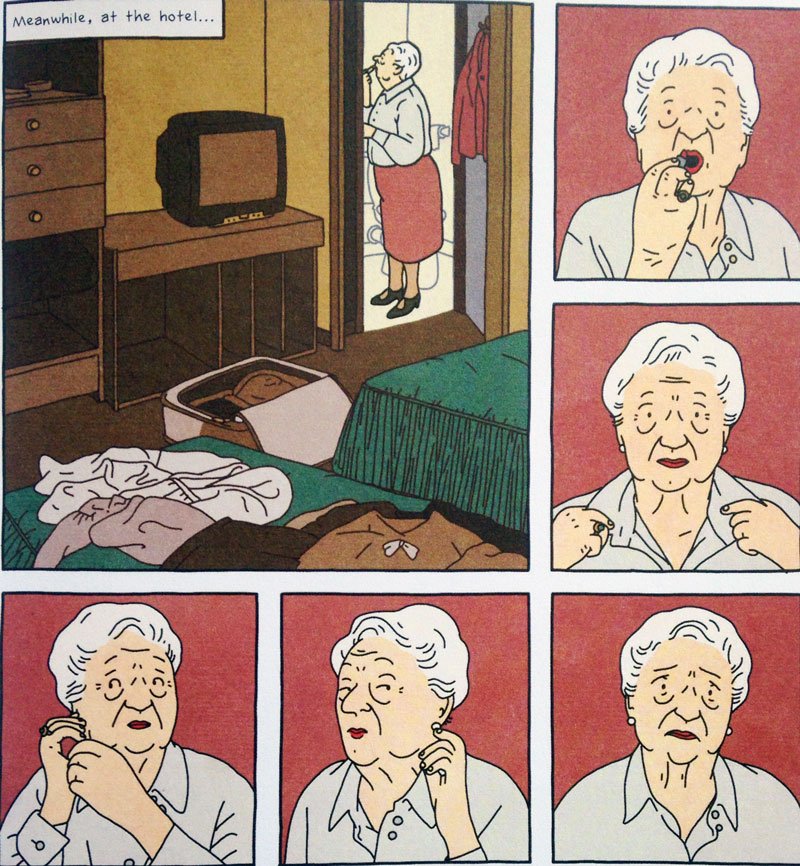
P47-Regina-putting-her-lipstick-on

 
The story follows Mica and her grandmother Regina as they travel to Warsaw to recover property lost to their family during WWII. As soon as Avram, the nosy Israeli acquaintance, Tomasz, the sexy but suspiciously philosemitic Pole, and Regina’s old flame, Roman, enter the scene, a series of omissions and half-truths turn the story into a dark comedy of errors. Mica winds up in a perverse reenactment of a Nazi roundup in the Warsaw Ghetto, she argues with family members she doesn’t realize are family, and she’s mistakenly led to believe that she will inherit a Hilton property. The past always looms present but not always as truth. Modan explains in an interview with Marc Sobel for The Comics Journal that she made the deliberate decision to divorce Regina’s story from those of the Polish Jews who endured the horrors of the war by having her emigrate to Israel with her parents before the war. As Modan explains it, all of the characters in The Property, aside from Mica, have a bad faith relationship with the past and seem bent on trying to exploit it for some form of personal gratification:

MODAN: In the story there is this old couple who are trying to feel again what they lost 70 years ago, and there is the Society of Jewish Memorialization trying to make kids experience the horrors of the war, and these Israeli high school kids going to visit the concentration camps like they go to some twisted summer camp, and Tomasz who’s trying to do a graphic novel, dreaming it would become the Polish Persepolis…  everyone, except for Mica, the heroine, is trying, in some way, to revive the past.

SOBEL: But even she is going back to reclaim the property…

MODAN: Yeah, but this is what I think happened to Mica in the end. She does connect to the past, but it’s by giving up the property, not by getting the property.

The past matters to Modan but perhaps because, being Israeli, “connecting with the past” is too closely tied to coercive political rhetoric, Modan’s heroine is only able to make an authentic connection to the past by abjuring any claims to personal gain from it.
 

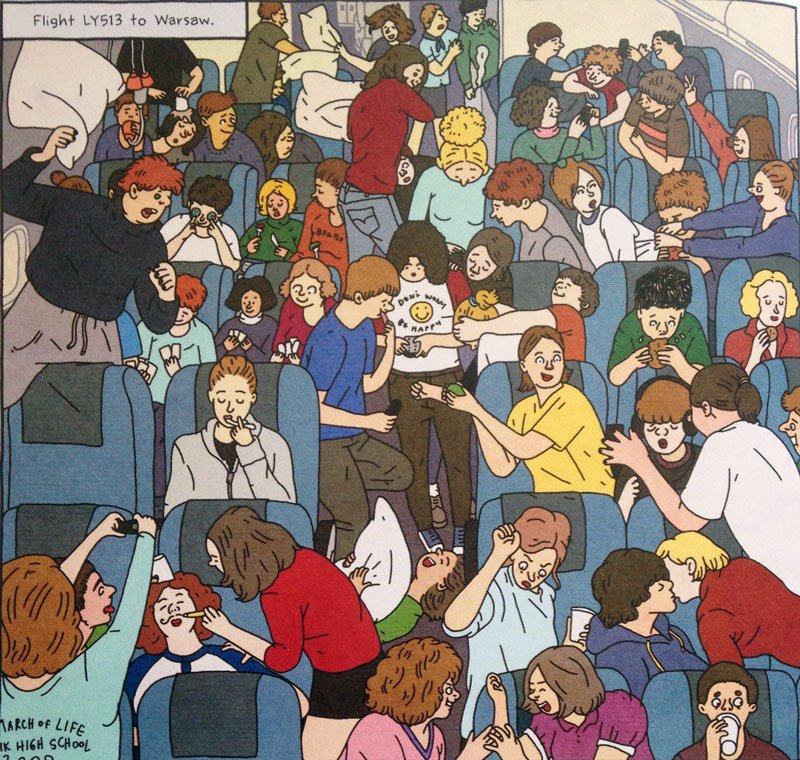
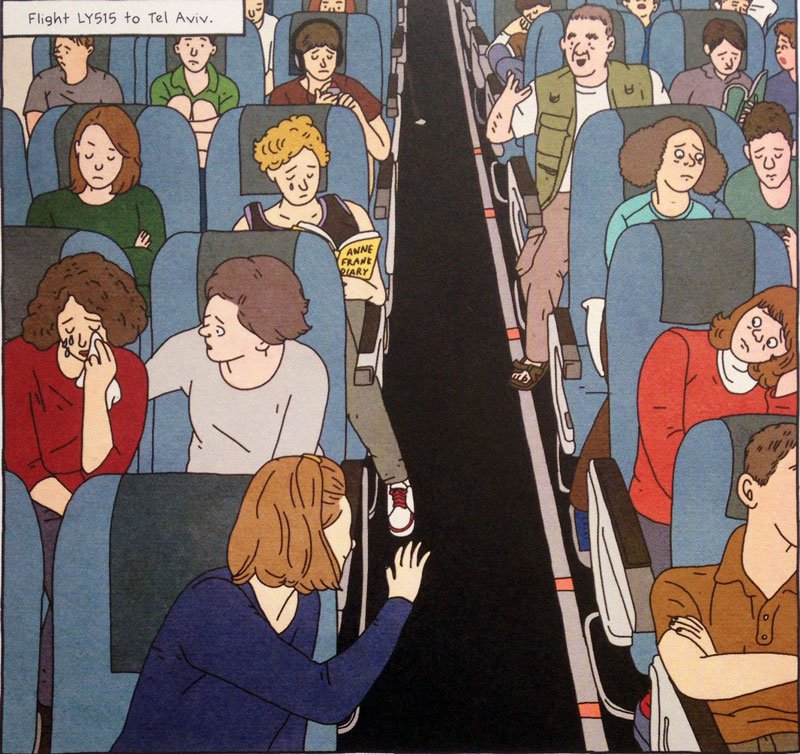
p-10-plane-shots-with-the-childrenp220-plane-shots-with-the-children

 
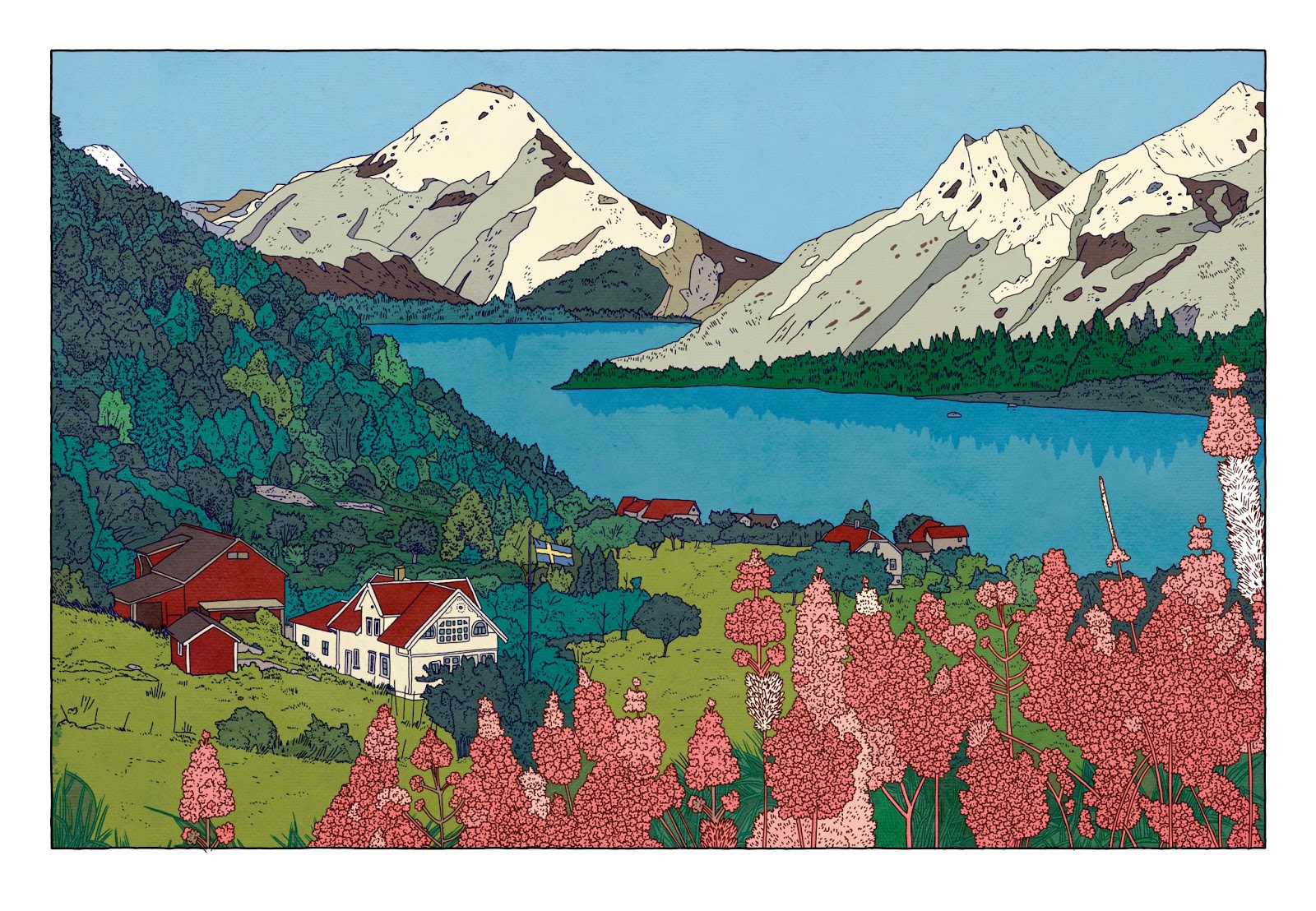
What I find most extraordinary about Modan’s artistic sensibility is how she approaches morally complex questions through richly colored ligne claire drawings (in notable contrast with Tomasz’s colorless cross-hatched drawings in the comic-within-the-comic). Glen Weldon’s review of The Property describes her use of ligne claire nicely: “Modan’s deceptively clear and simple line work — she can conjure a face in two dots and a single, expressive pen stroke — is a deliberate artistic choice […] Her clean and often brightly colored illustrative style serves in part to lift the fog of war, allowing us to see these conflicts, be they emotional or military, with new eyes.”
 

26_endpaper

 
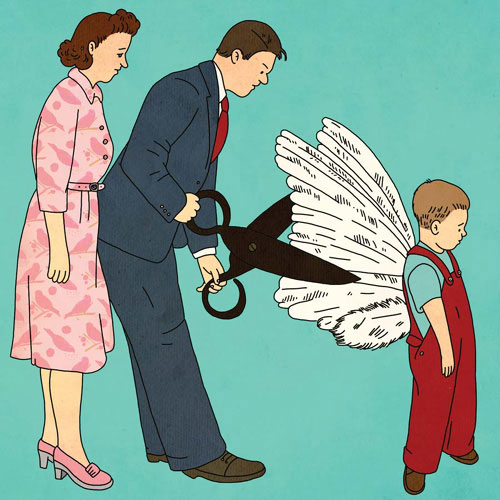
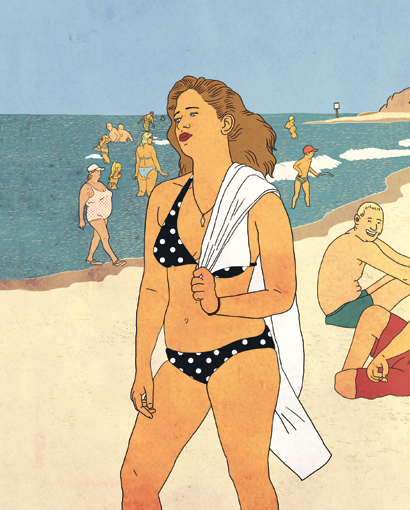
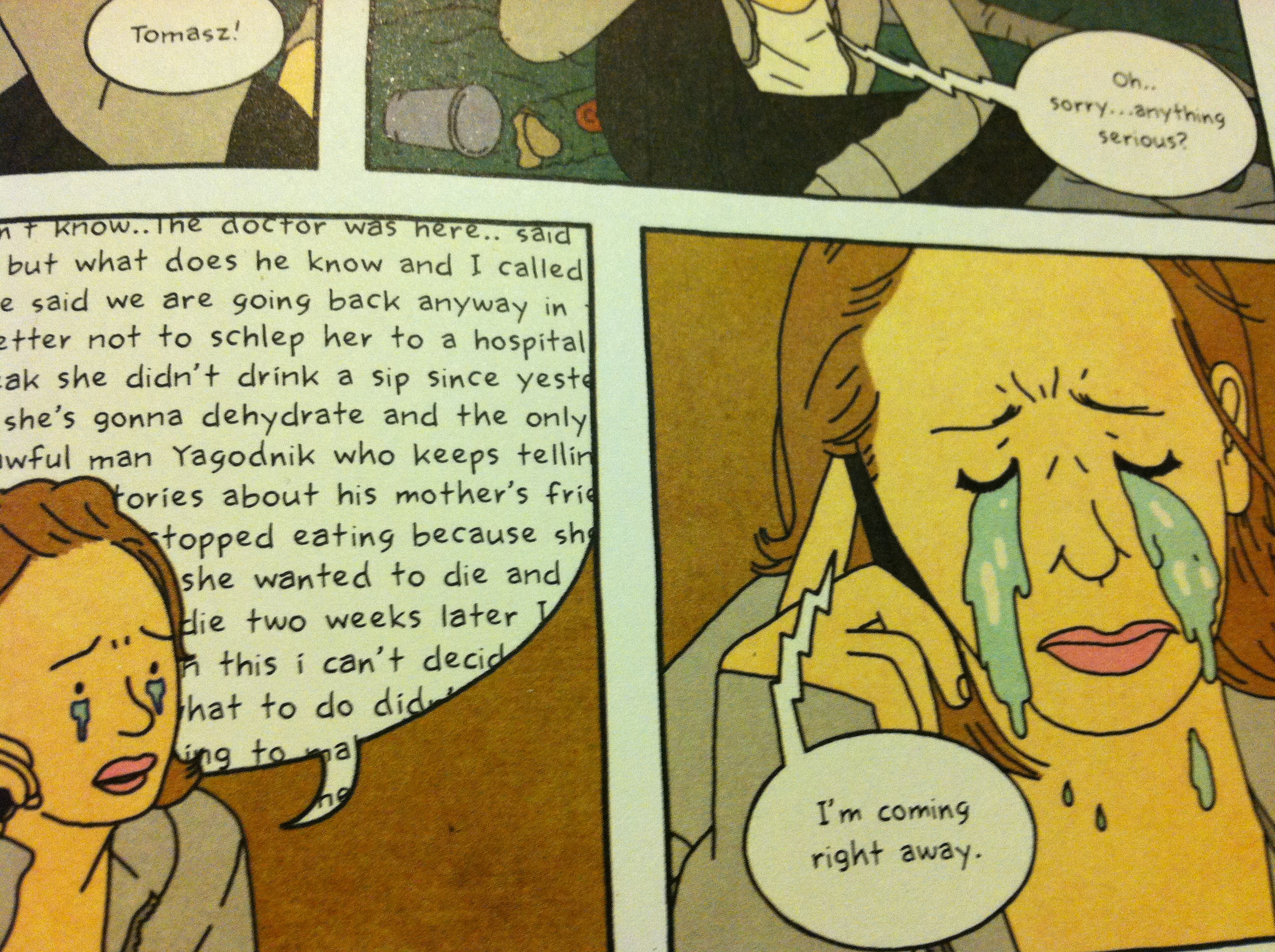
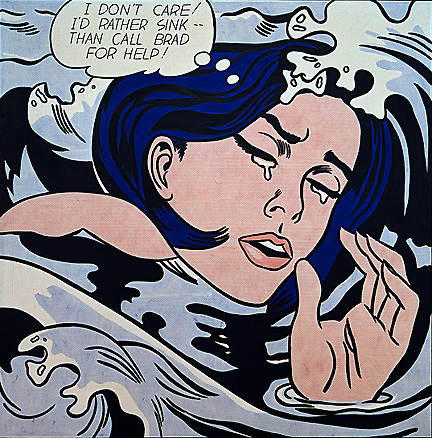
For Modan, the clear line is both a form of irony (i.e. reality isn’t so clear) and of observation, focusing the reader’s attention on human expression without the seduction of bad-faith historical realism. Unlike many comics in the ligne claire style, Modan’s clean line does not shy away from awkward embodiment just as her narrative refuses to shy away from awkward misunderstandings and cross-purpose communication. Modan’s clean line, in concert with her hyper-observant eye for human expression and the grotesquerie of embodiment, aligns her work with the surreal. And if you look at some of her illustrations and non-narrative comics, also in the ligne claire style, it’s clear that she has a surrealist sensibility (see the first two images below). Modan’s surrealism creeps in narratively, for example, during the reenacted Nazi roundup, but also visually in a panel showing Mica crying in which her tears appear like Lichtensteinian waterfalls on her cheeks (see Mica’s tears juxtaposed with Lichtenstein’s famous I Don’t Care! I’d Rather Sink below). Also, in Modan’s case, clean line drawing does not necessarily mean clean panels. The cluttered sensuousness and vibrant color palette of many of Modan’s panels betray a punk (I’m thinking Julie Doucet) and a pop art sensibility (see the two panels above showing the crowded flights to and from Tel Aviv). Of course, pop art drew much of its inspiration from the ligne claire style in comics, advertising, and illustration. And Modan is not unaware of this irony. In fact, this layering of visual histories and appropriations appears to be the visual correlate of the historical narratives Modan works with, a layered and endlessly contested space where she seems to be very much at home.
 

NYTimes-Sunday-Review859808CDED


larmes de MicaRoy_Lichtenstein_Drowning_Girl


Twee Nostalgia

“Twee” and “nostalgia” are two terms of critical obloquy that fit together naturally, like (dainty) dog shit on (soggy) twinky. Apart and even more together, they connote precious, precocious inauthenticity, packaged emotion in the name of infantile regression and souls suffocated in cat pics.

Bob Dylan’s much-lauded, latter-day song/video “Duquesne Whistle” from 2012 is a self-referential exercise in cutesy laurel-resting — and/or a biting satiric refutation of same, depending on which side of the smirk you come at it from.


Dylan’s voice is a ravaged shell of its former ravaged shell; the music a winking Tin Pan alley revival of former Tin Pan Alley folk revival; if there wasn’t a video, you’d imagine a chorus line of hobos knocking their legs together and swapping their hands from kneecap to kneecap while pursing their lips in impish surprise.

Instead, though, the video we’ve got shows us a dapper hipster sartorially channeling ragamuffin classic Dylan channeling Woody Guthrie, while flirting with an attractive passerby. The flirtation shades into stalking and our picaresque hero gets maced…and then his day goes downhill from there. Meanwhile, old Bob in a straw hat walks along with a posse of assorted cool folks, swaggering and eventually stepping over young, stalkery, beat up Bob.

The whole video is an exercise in having your twee nostalgia and spitting on it too; you get to see young Bob dream of handing a rose to his sweetheart, and then get to see him thrown to the curb while old Bob’s vocals mug on and on knowingly. The sepia trickster persona of 60s Zimmerman is rejected for the ironic, up-to-date, uber trickster hipster persona of grandmaster Robert. The old witticism is swallowed by the new witticism; the old smug grin swallowed within a bigger, smugger grin, like one of those James Cameron aliens doing a stand-up comedy routine. “You old rascal, I know exactly where you’re going,” the singer smarms, projecting realism via mime show and mime show via realism. Next album, you can be sure, he’ll bring the Blue Man Group out to convey some hard truths.

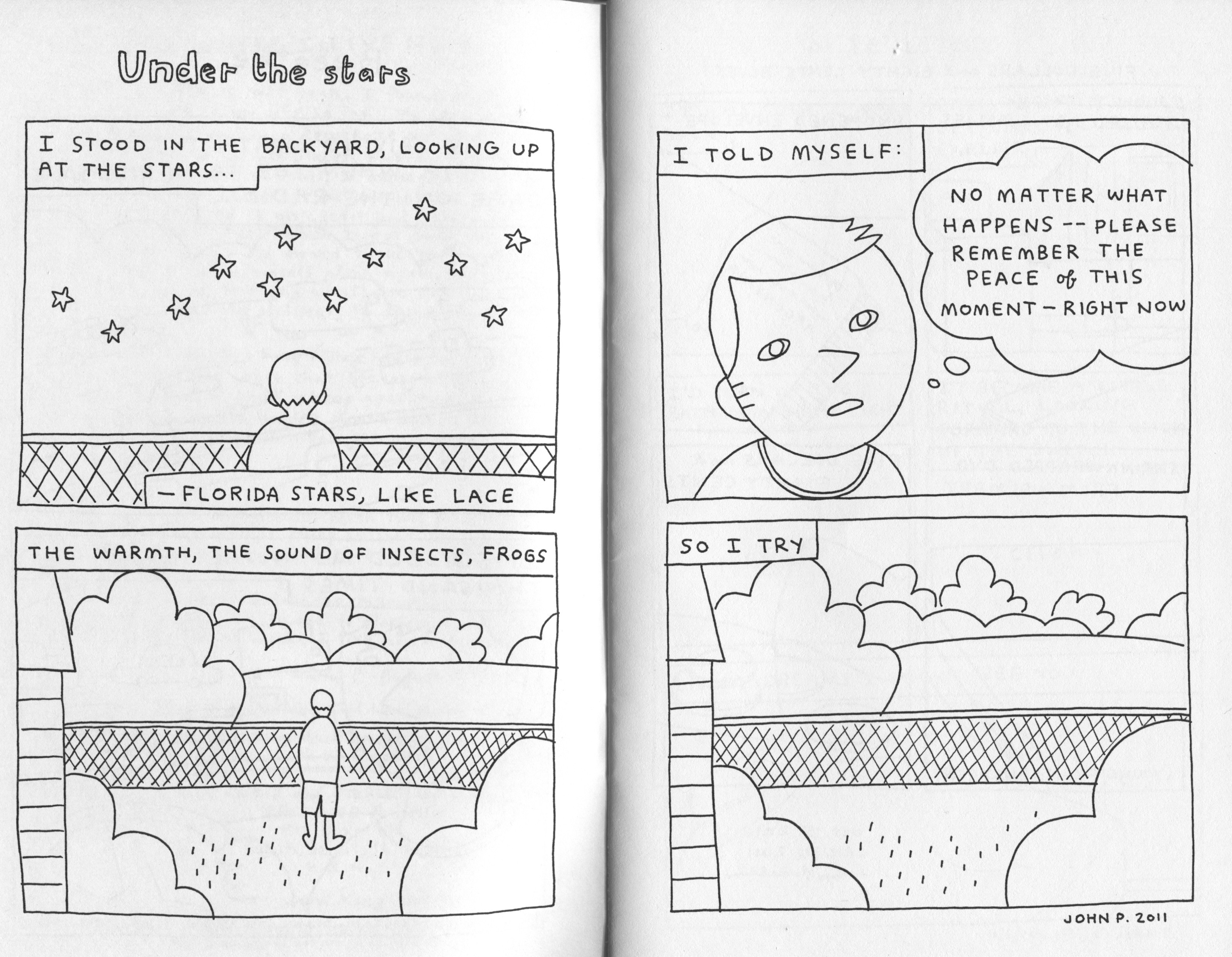
John Porcellino’s “Under the Stars” is a lot less coy about its twee; Donovan seems like the soundtrack rather than Dylan. The story, from King Cat 72, is just two pages long.
 
porcellino
 
The nostalgia here is a lot less ironized as well; in fact, the whole meaning and function of the art is explicitly presented as nostalgic. “No matter what happens — please remember the peace of this moment — right now” Porcellino, as narrator, thinks, and then the last panel declares “So I try,” while showing the same scene as in the panel at the bottom of the second page. The comic is Porcellino’s effort not to forget this moment, right now; the artless, unshaded, uniform line weight cartoon preserves the memory, as memory, in deliberately un-virtuosic delicacy. Stars, warmth, insects, frogs, all turn into quiet, lacey reproductions of themselves.

In “Duquesne Whistle,” the multiplication, or reproduction, of Bobs, past and present, is a form of control; Bob past, in all his memeness, is firmly in the gargled throat of Bob senior. Porcellino (or Porcellinos) place in “Under the Stars” is a little less certain. Obviously, it’s the artist’s hand drawing the image. But the memory, the thing he draws second after drawing it first, lacks himself. On the first page, he’s in the panel; when he repeats the drawing, labeling it as memory, he’s not there. The vanishing Porcellino could be seen as a kind of completion of the first image, where the narrator, armless, seems made of the same stuff as the trees; composed, like them, of smooth curved outlines, as if he’s about to disappear or merge into the landscape. But the figure not being there could also mean, not a transcendent onenness, but a failure; trying to capture the moment means putting yourself outside the moment. Porcellino wants to remember, but the act of doing so automatically self-recursively distances him from the memory. He doesn’t get the truth of the moment (including his presence), but only a kind of outline; a surface cartoon scribble.

“Under the Stars” tweely mourns its own tweeness and nostalgically mourns its own nostalgia, just as “Duquesne Whistle” tweely celebrates its distance from tweeness and nostalgically venerates its puncturing of nostalgia. If art is smaller than the world, and if art is always already part of a moment that is past, the ominous takeaway seems to be that all representation, and all consciousness, are always already buried in that time capsule adorned with microscopic calligraphy spelling out the names of your favorite Brit pop bands and lost loves. Under the stars that Duquesne whistle will long ago have blown, serenading that same old stupid self in the backyard of your heart.

Pride and Prejudice and Asteroids

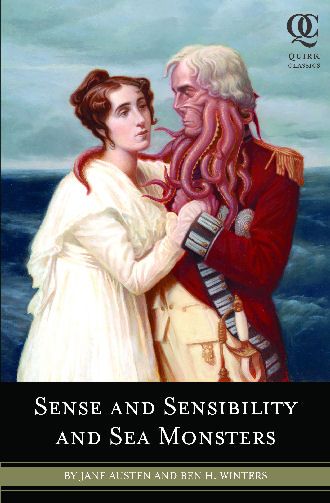
Since my cousin, The Hooded Utilitarian, guest-blogged for my website a couple weeks ago about eclecticism, I have been thinking about the relative usefulness of the concept of genre, especially as it relates to my own rather unusual writing career. Genre has played a big part in my life as a writer thus far, starting with my first published novel, which was—absurdly, delightfully—Sense and Sensibility and Sea Monsters, a book-length parody of the Austen novel, for which I combined the original text with a bunch of silliness about monsters, pirates, and a giant sentient island. So it was Austen-meets-Lovecraft, Austen-meets-Stevenson, Austen-meets-Verne.

This idea was not mine but that of my publisher, Quirk Books, who had enjoyed a huge unexpected hit with Pride and Prejudice and Zombies, and hired me to do the followup. (I subsequently did a second, Android Karenina. You get the picture.) These novels spawned a raft of imitators, and a bit of mini-craze for what were labeled “mash-up” books—the idea being that you were “mashing up” a canonical novel with genre elements. Someone did Mansfield Park and Mummies, someone did a Jane Eyre with werewolves in it, I think; the guy who wrote Zombies went on to do Abraham Lincoln: Vampire Slayer.

The only thing I regret about my part in this strange period in publishing history, just a little bit, is that some folks have tended to see my subsequent work through this lens of the “mash-up.” My big project, post-Sea Monsters has been a trilogy of detective novels, beginning with The Last Policeman, set in the last year of Earth, before an extinction-level asteroid strikes the planet. “Genre mash-up master Winters is at it again!” went a typical review—the implication being that this time, instead of smashing Jane Austen together with Jules Verne, I had gone down to my wacky novelist laboratory and put science-fiction chocolate into my mystery-novel peanut butter.

Except that the new stuff isn’t like that at all, not really. The Last Policeman and its sequels are generally pretty serious, pretty straight-ahead crime novels, with the pre-apocalyptic backdrop hopefully serving to heighten the stakes and add an existential element.

Now look, I’m not complaining. I love these reviews. I love all reviews. I recognize that people who write about new work are always going to evaluate it in the context of the artist’s earlier work. What I’m surprised by and interested in is the the idea that any work of fiction (or movie, or comic, or whatever) that combines or juxtaposes two disparate thematic or stylistic elements is a “zany experiment” of some kind—as opposed to just doing what fiction (and art generally) is supposed to do, which is, you know, be interesting.

Obviously, Sea Monsters and its cousins were meant to be a very particular form of element combination, adding action/adventure elements to classics as a form of comedy—but I feel like every successful piece of art finds its power by in some way putting together unexpected things: there are doses of dry comedy in The Maltese Falcon (remember when Spade refers to the titular precious object offhandedly as “the dingus”?), there are doses of swooning romance in Dickens, there are knock-knock jokes in Bob Dylan’s song “Tweedle Dee and Tweedle Dum”.

Interesting artists, especially interesting genre artists— are always looking for ways to baffle and subvert whatever it is they’re supposed to be doing. That’s not writing a mash-up, is all I’m saying; that’s just writing.

Editor’s Note: The last book in Ben’s Last Policeman series, World of Trouble, is available now.
 

sense_and_sensibility_sea_monsters

The World’s Largest Comic Book

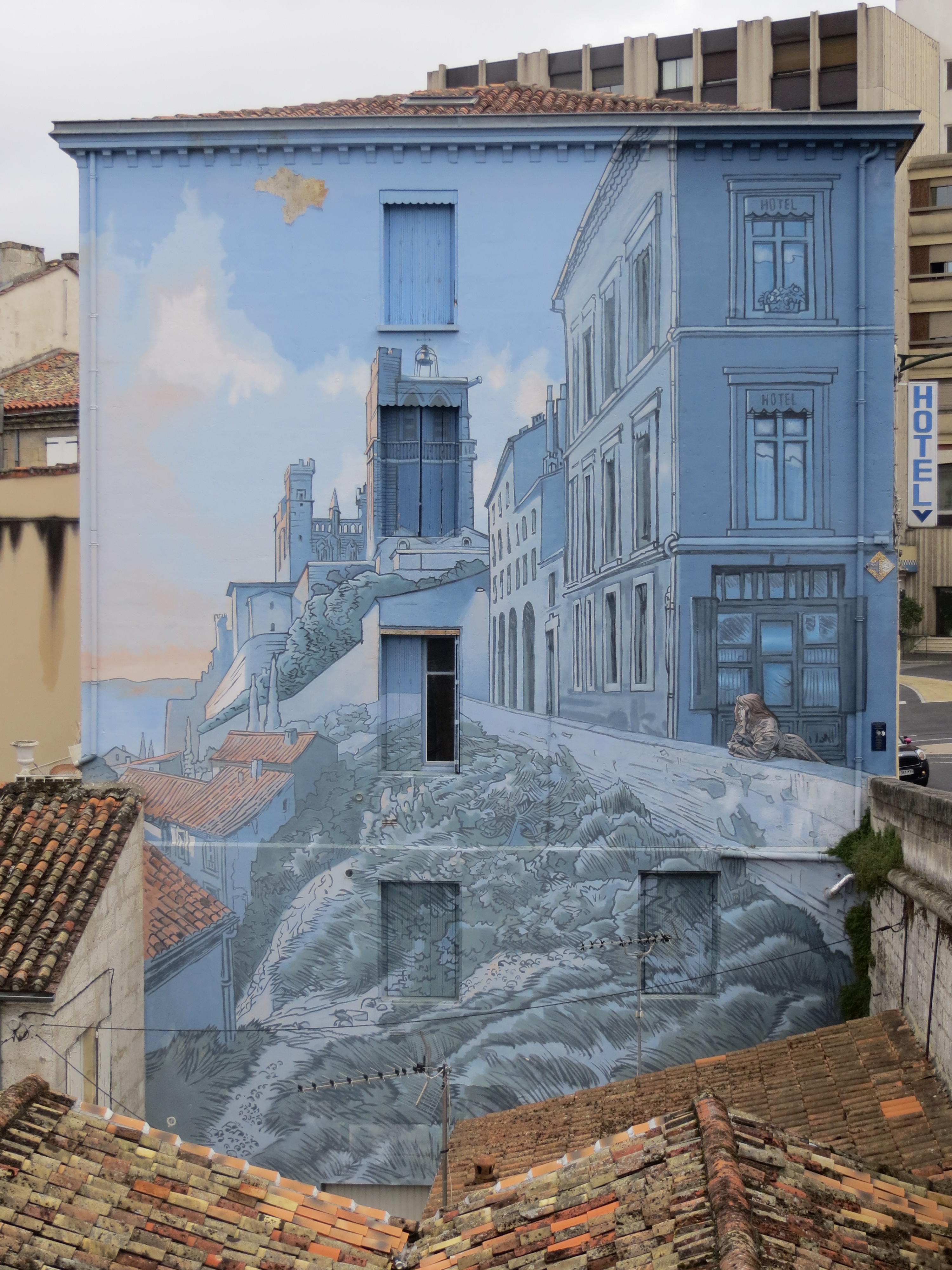
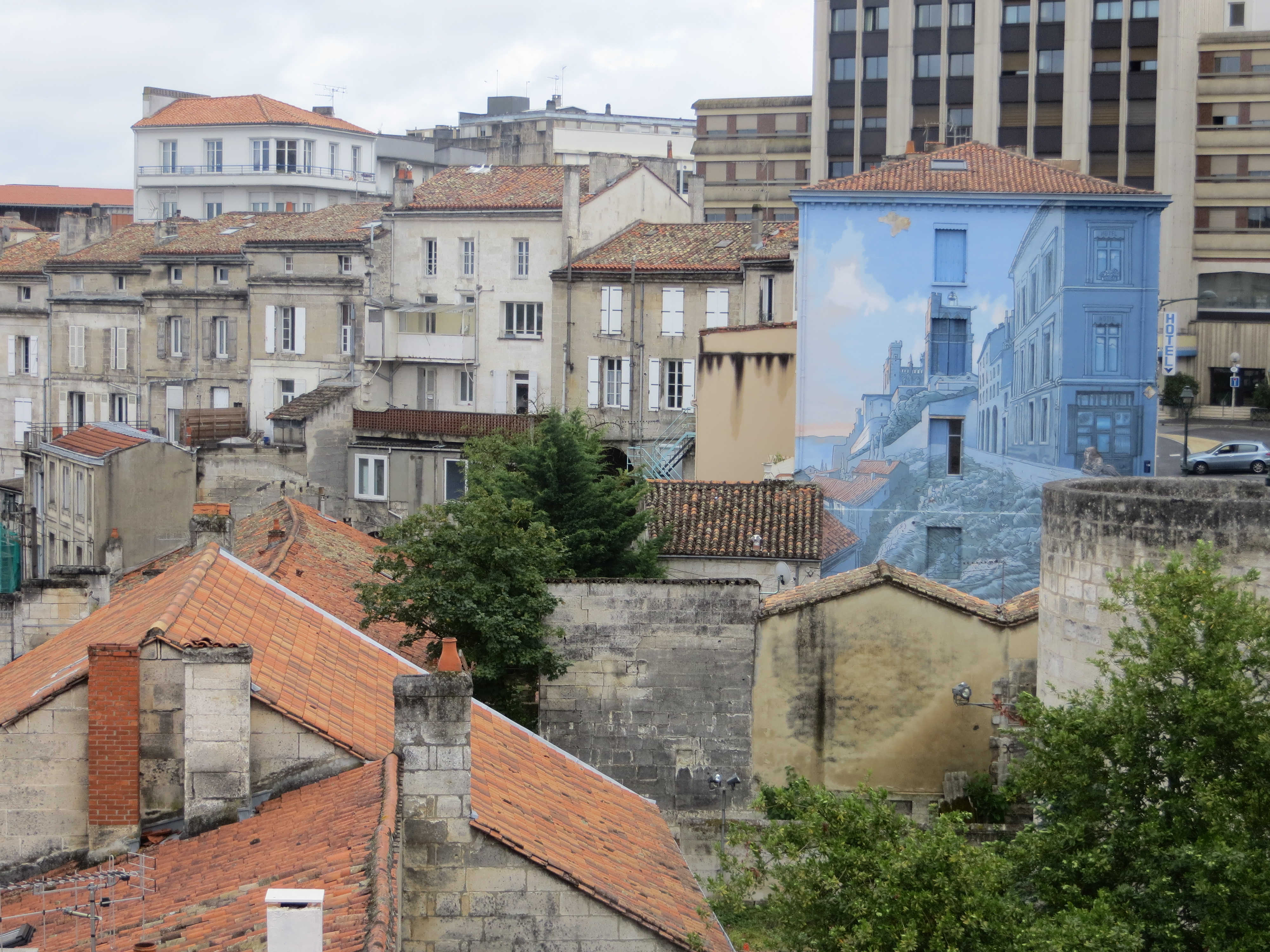
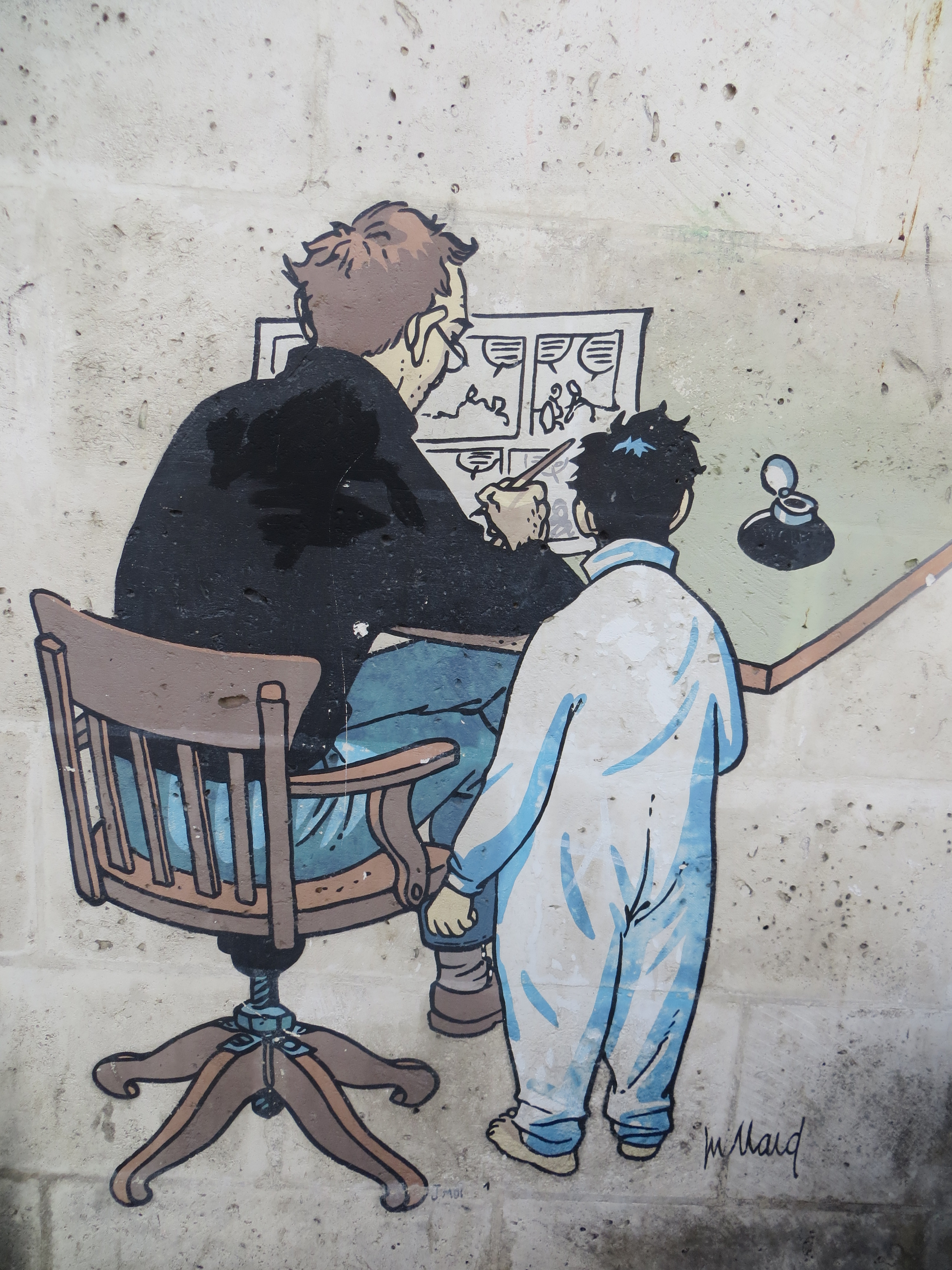
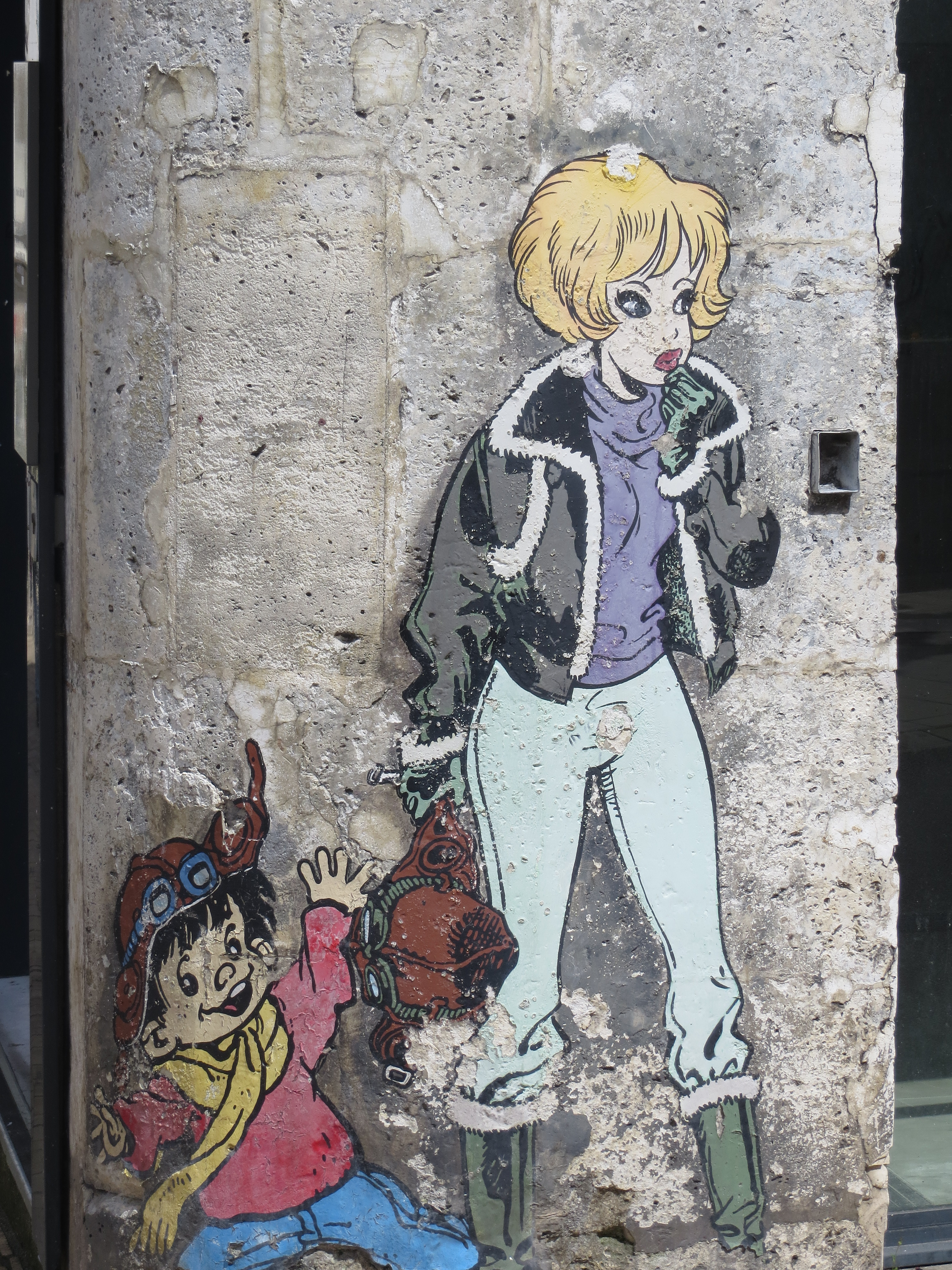
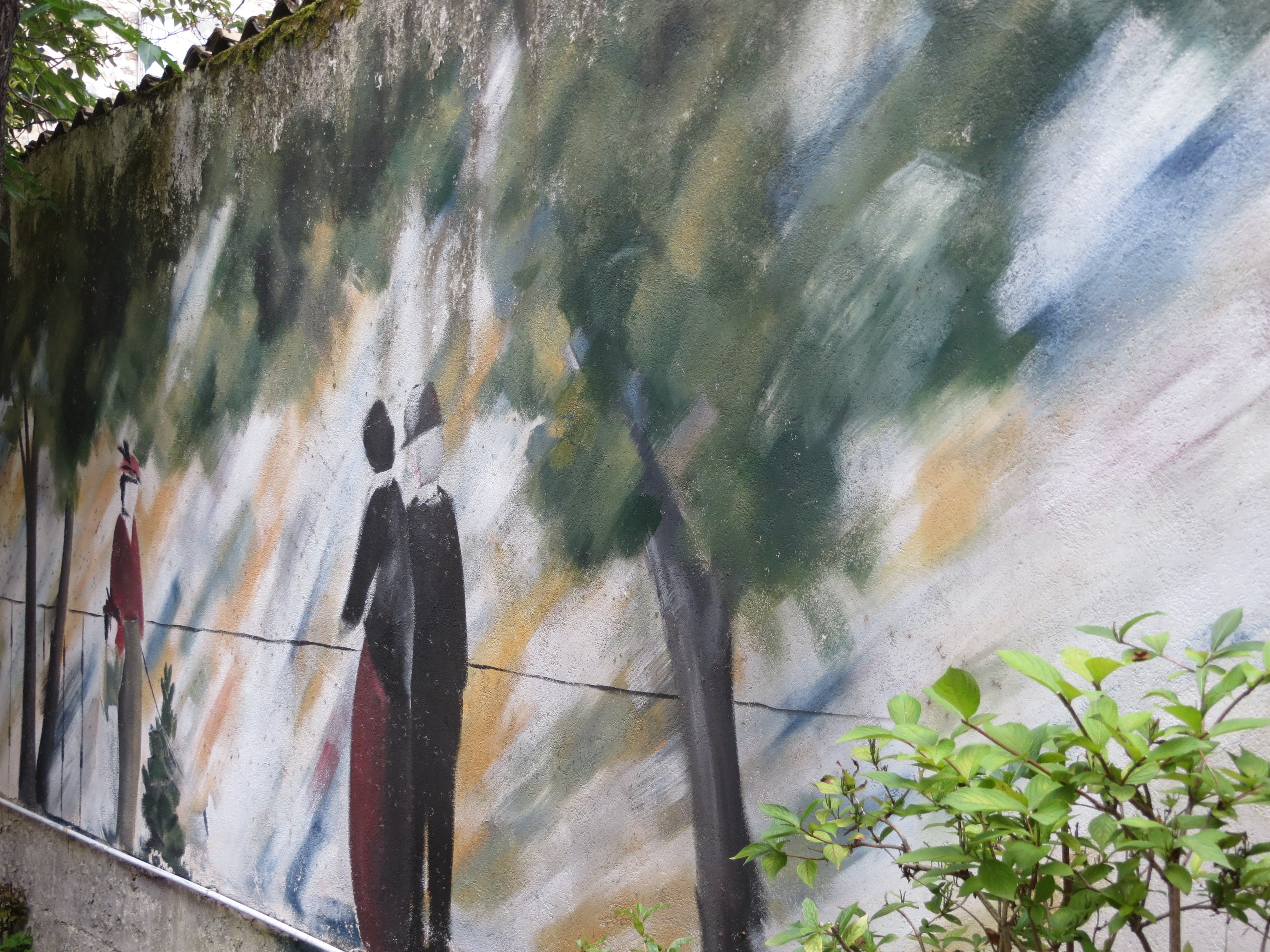
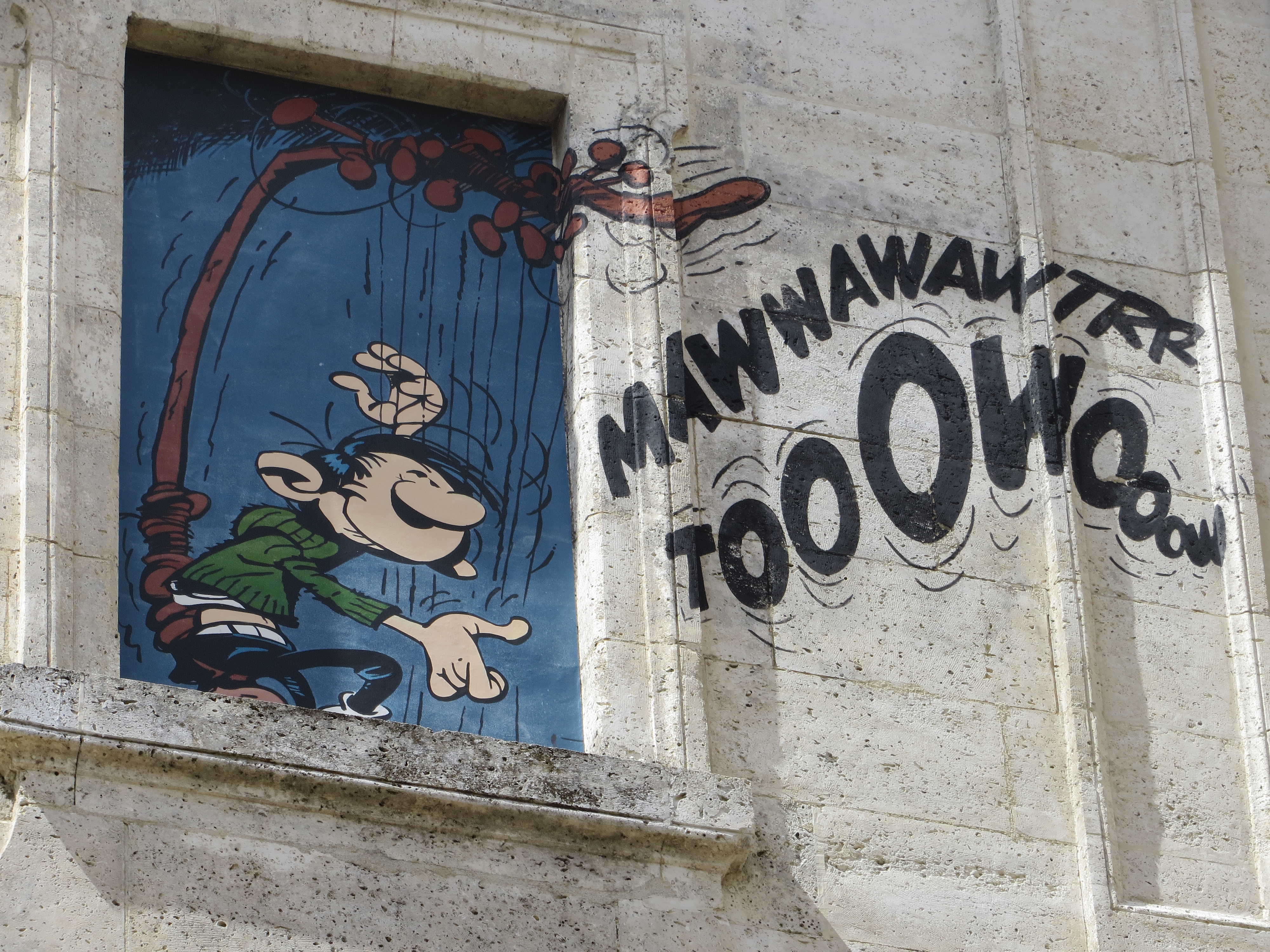
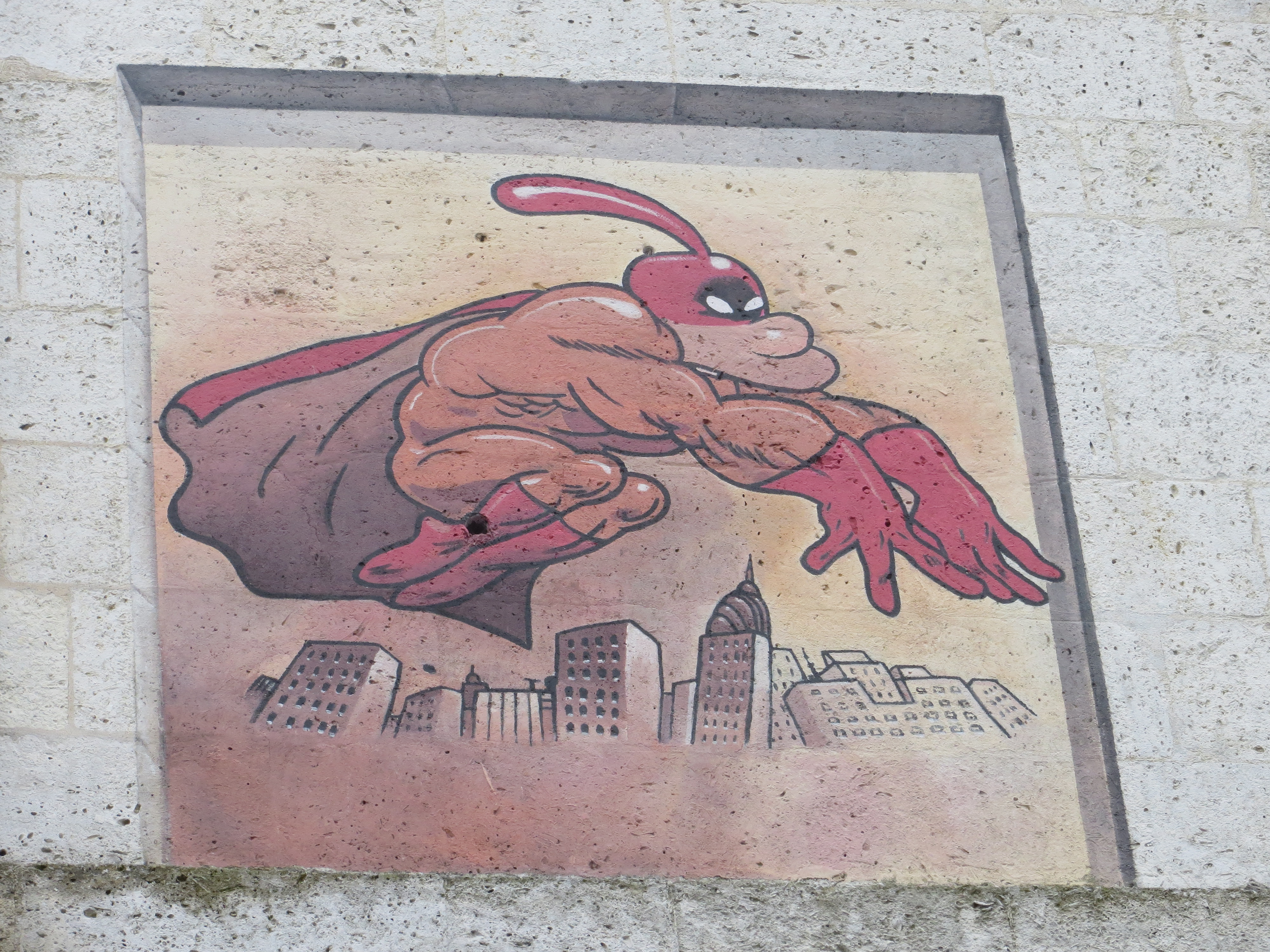
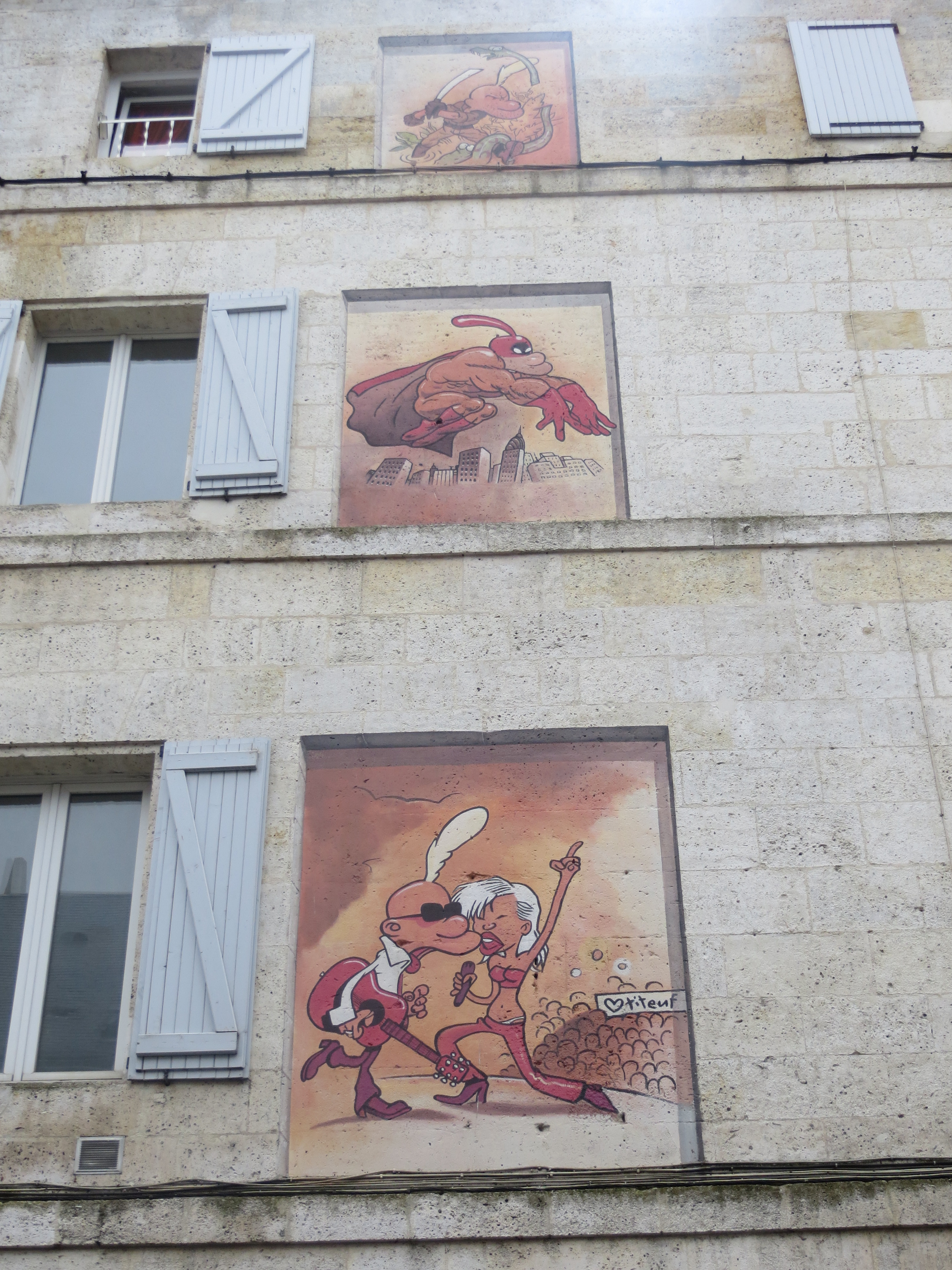
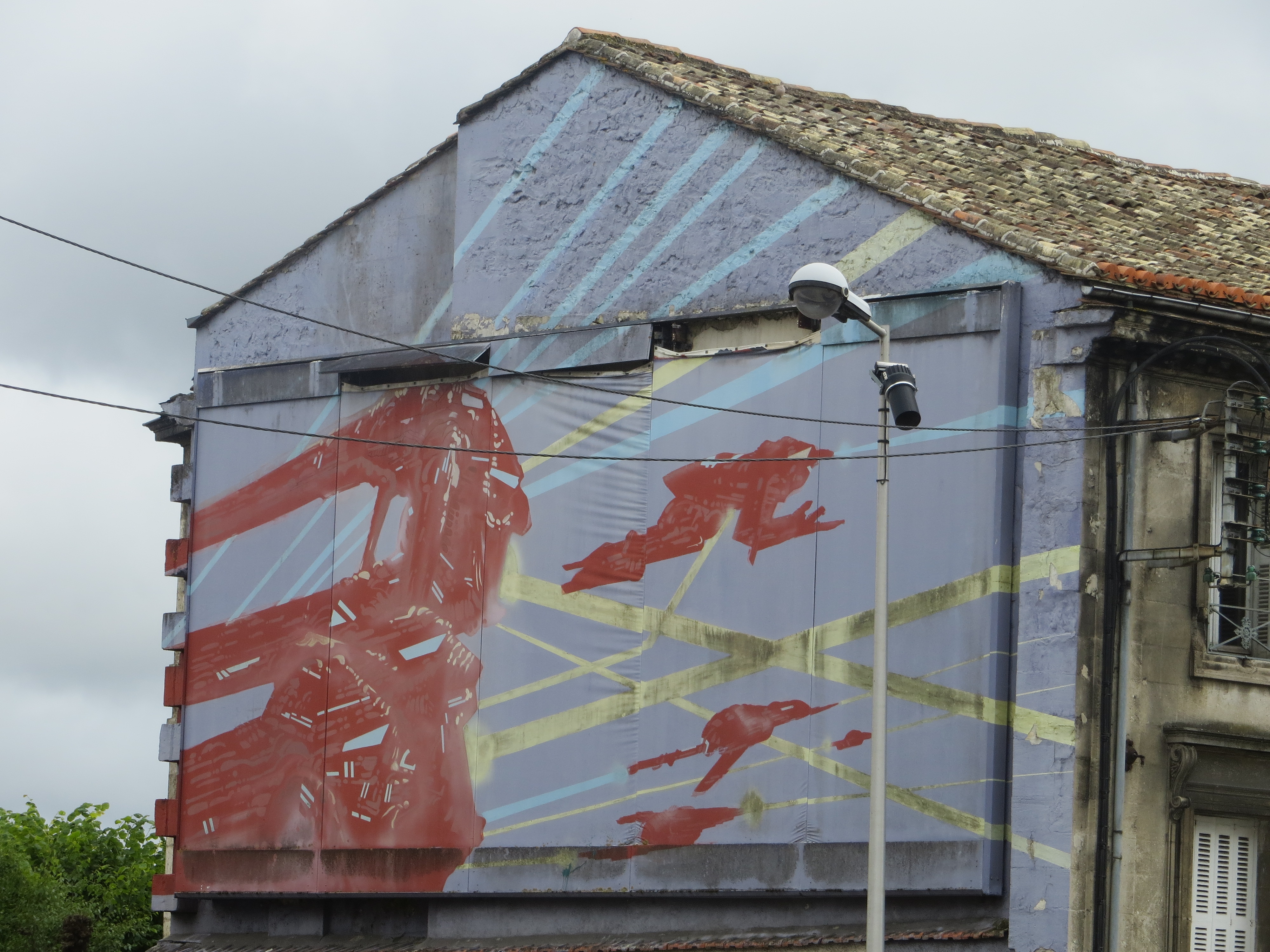
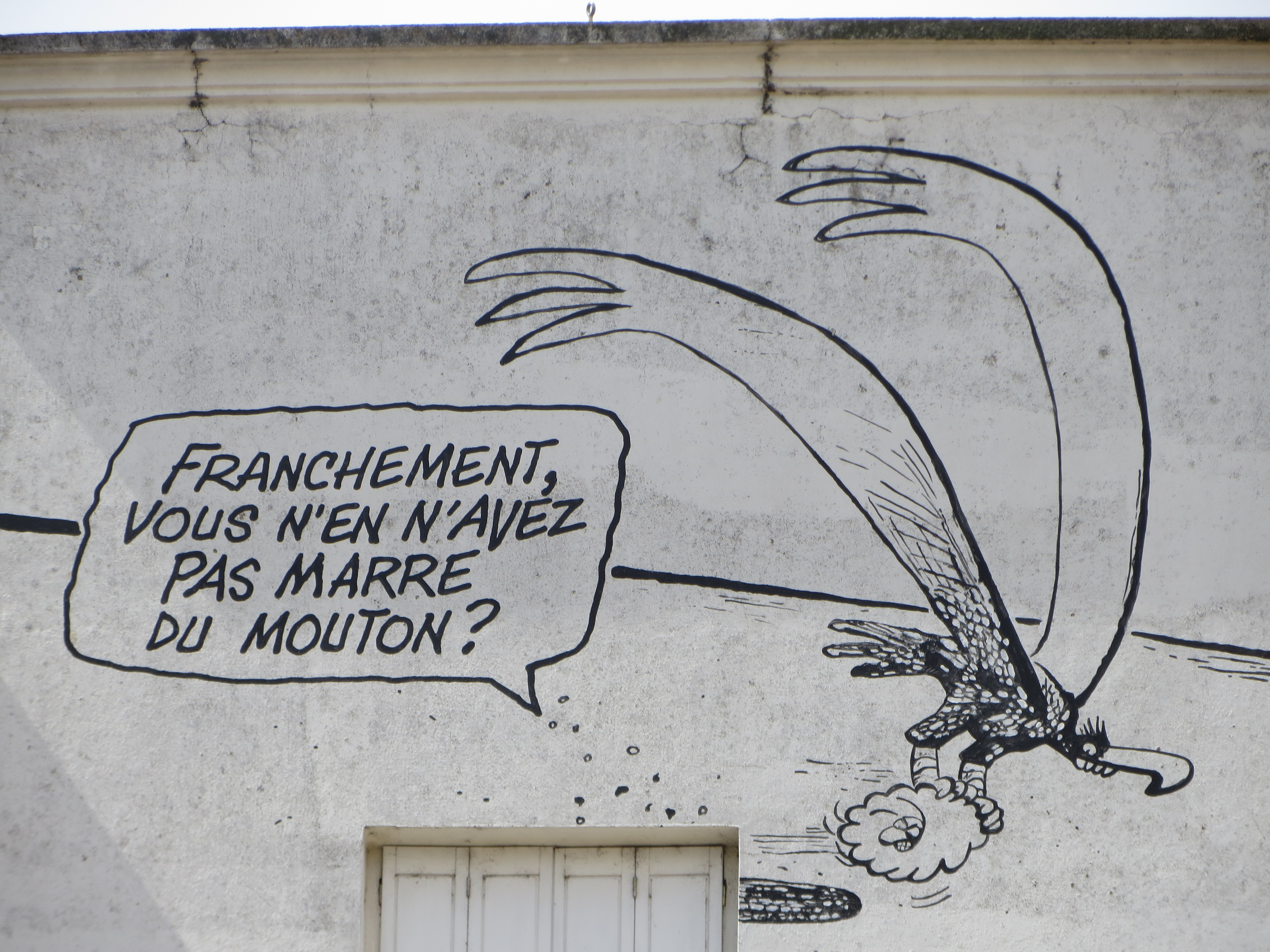
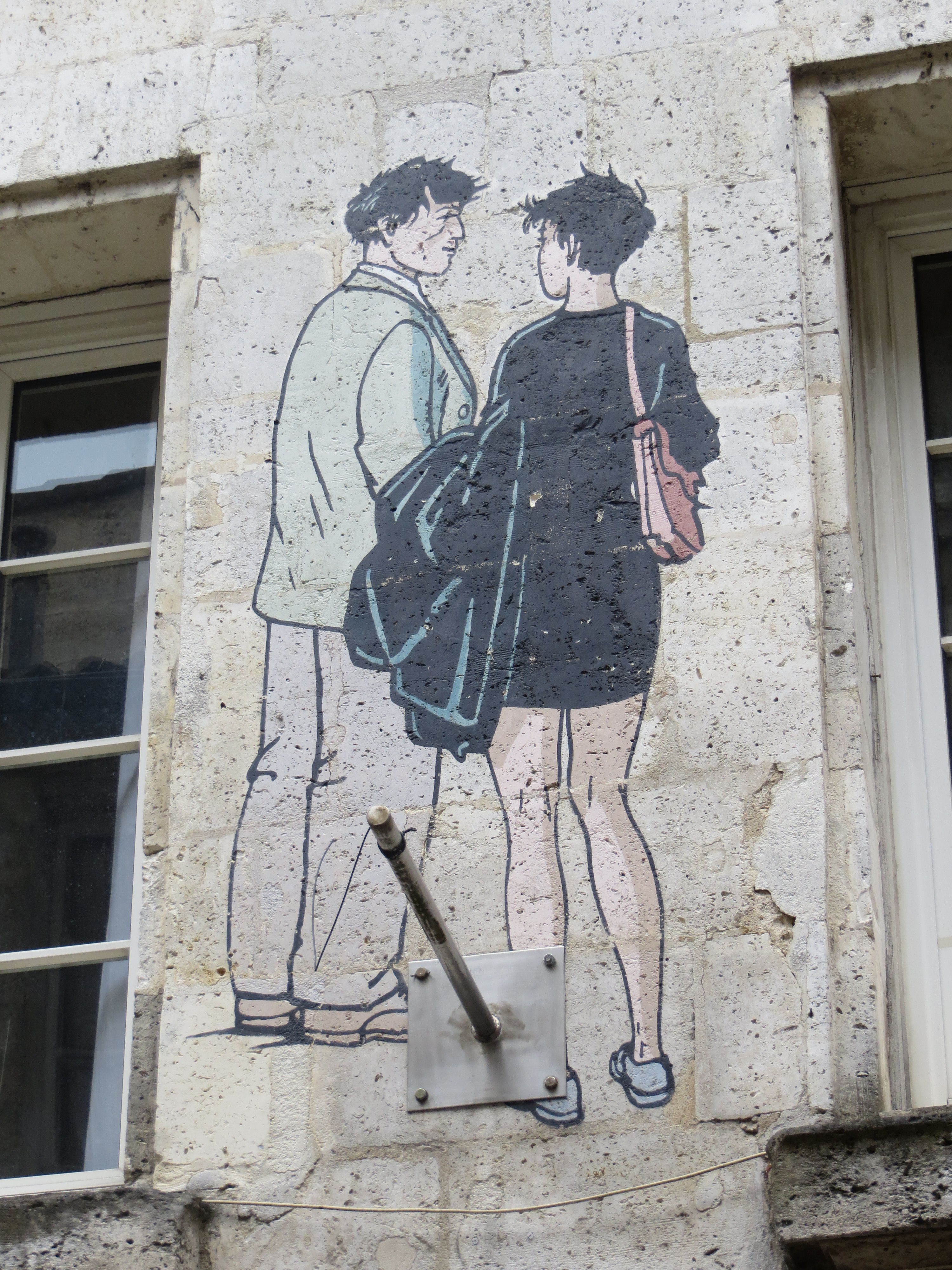
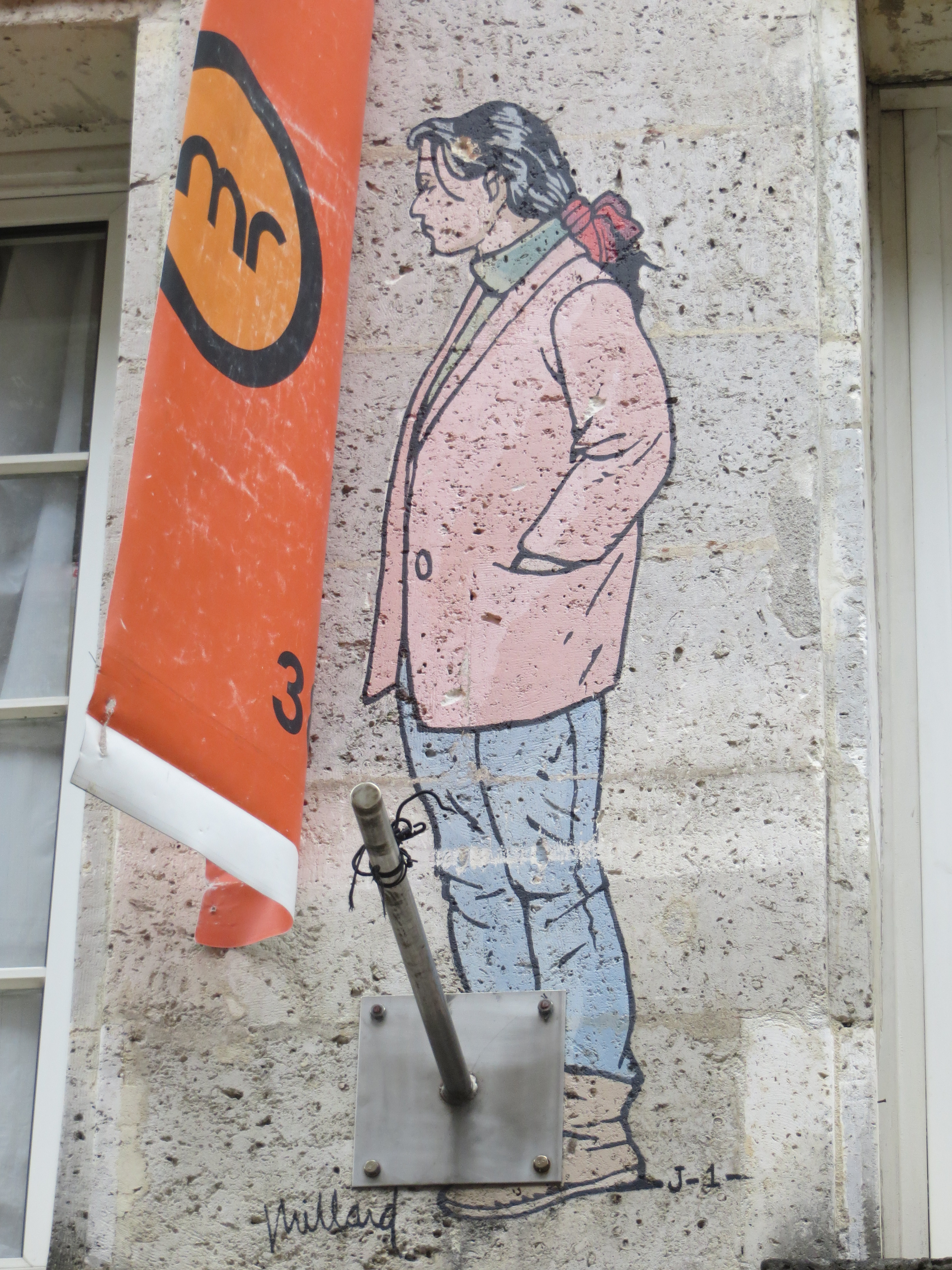
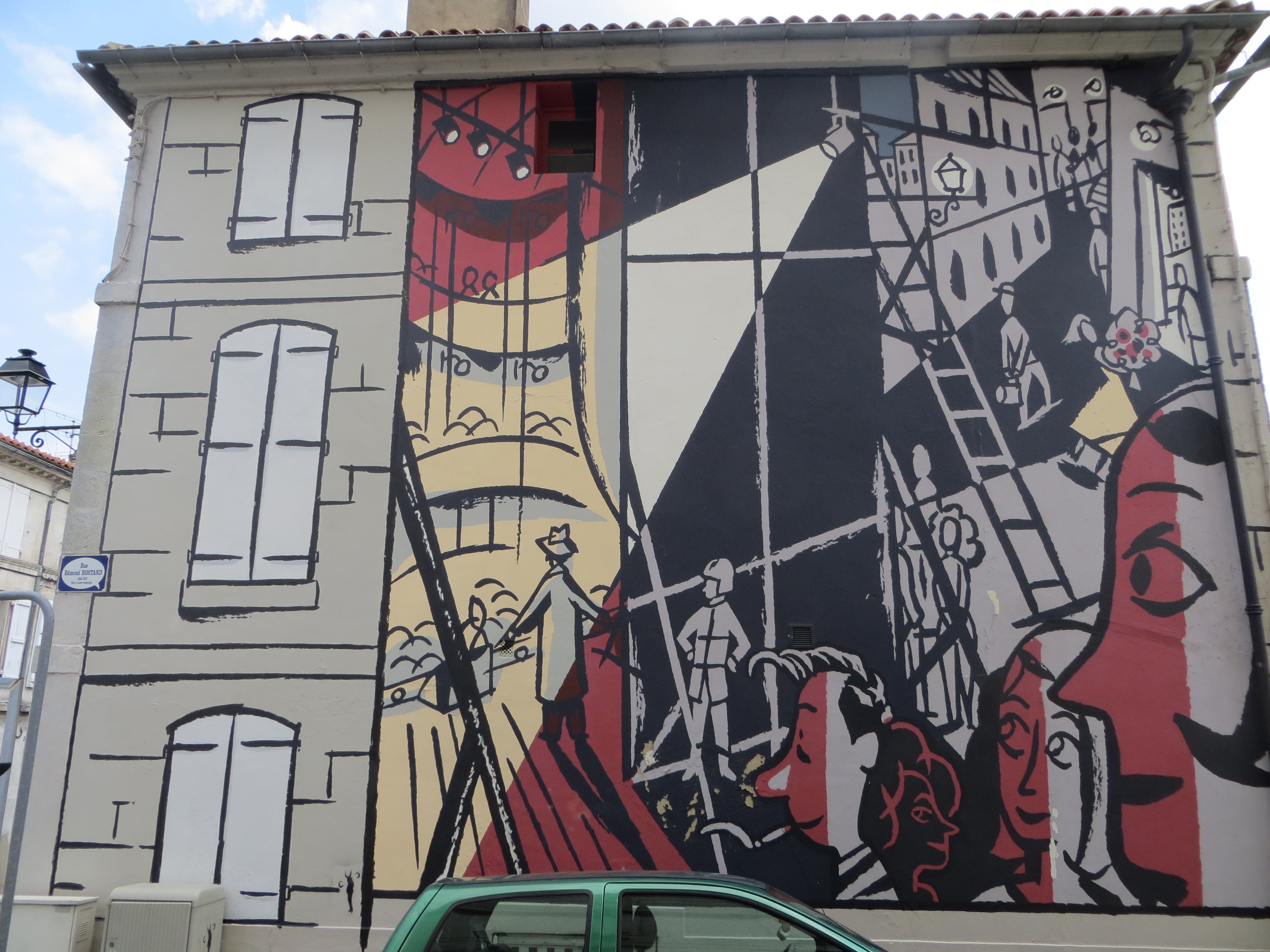
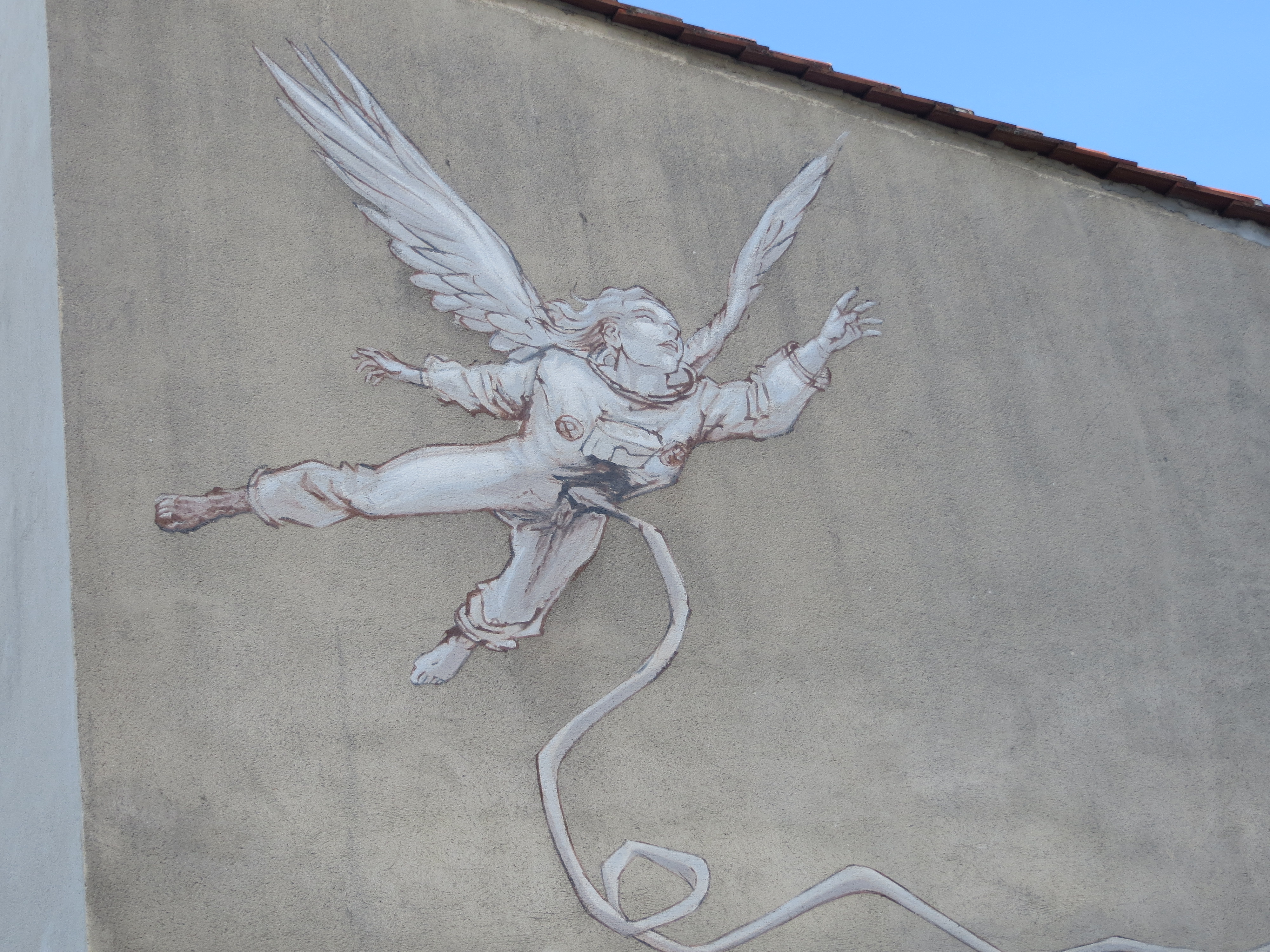
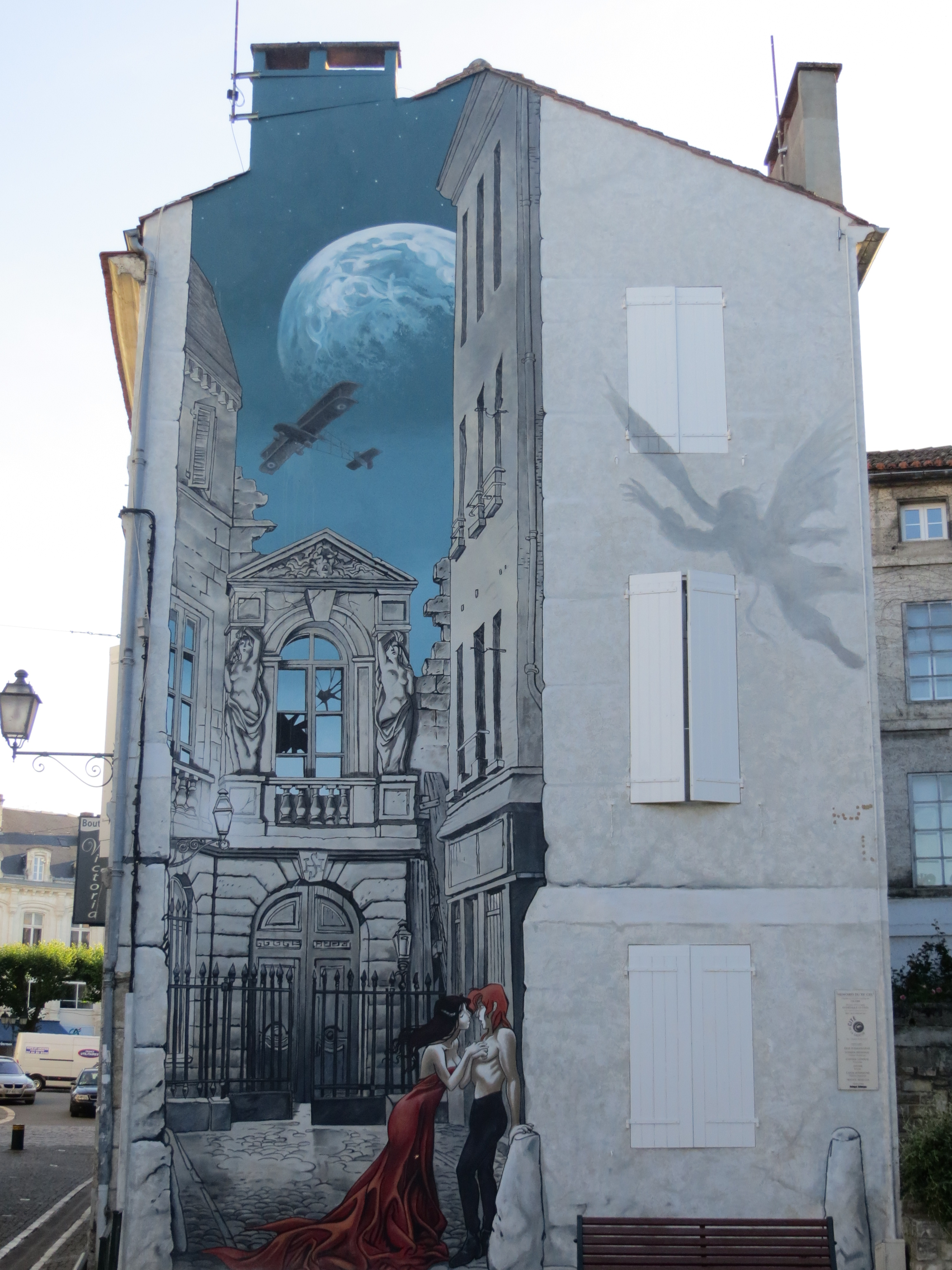
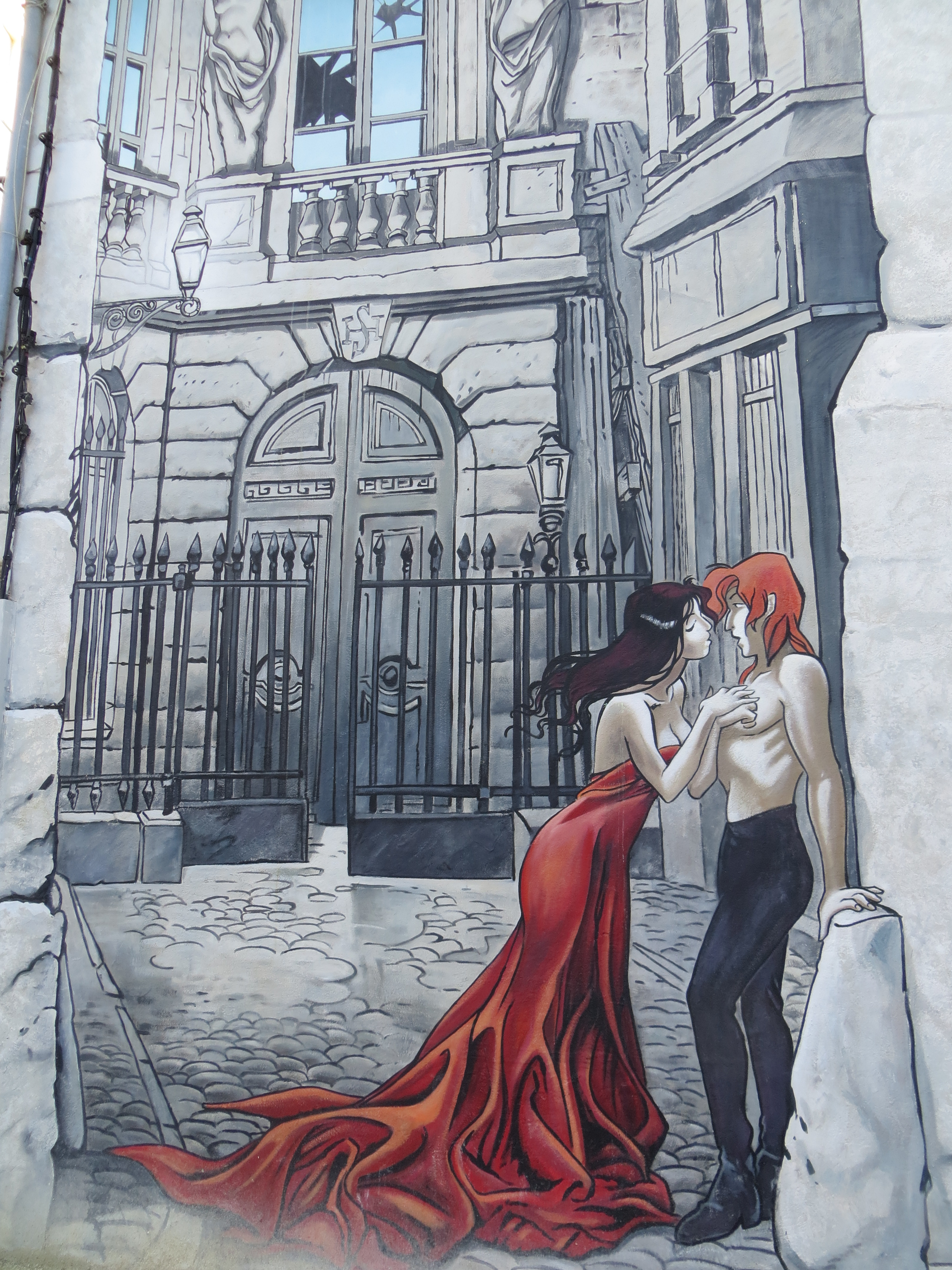
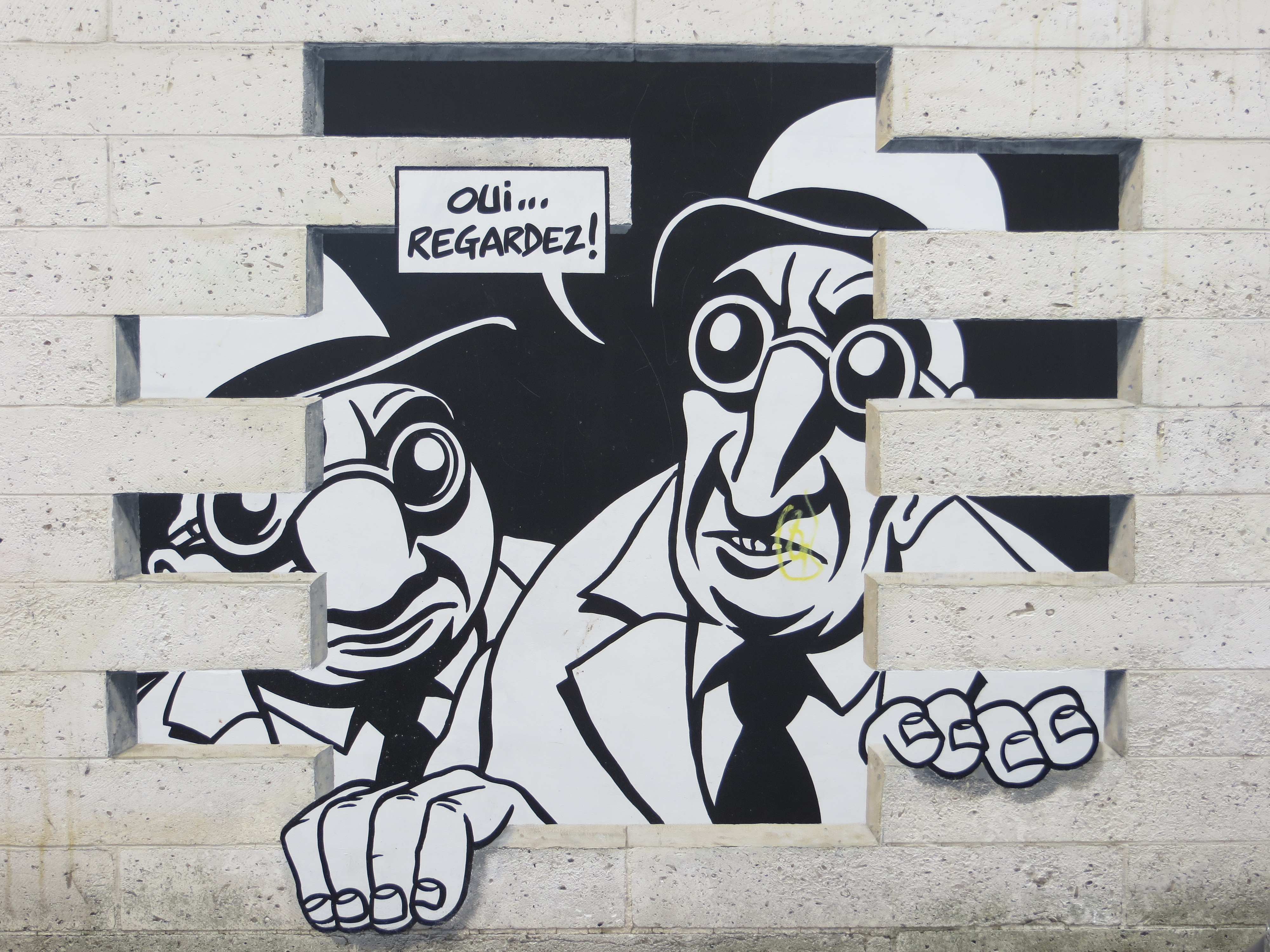
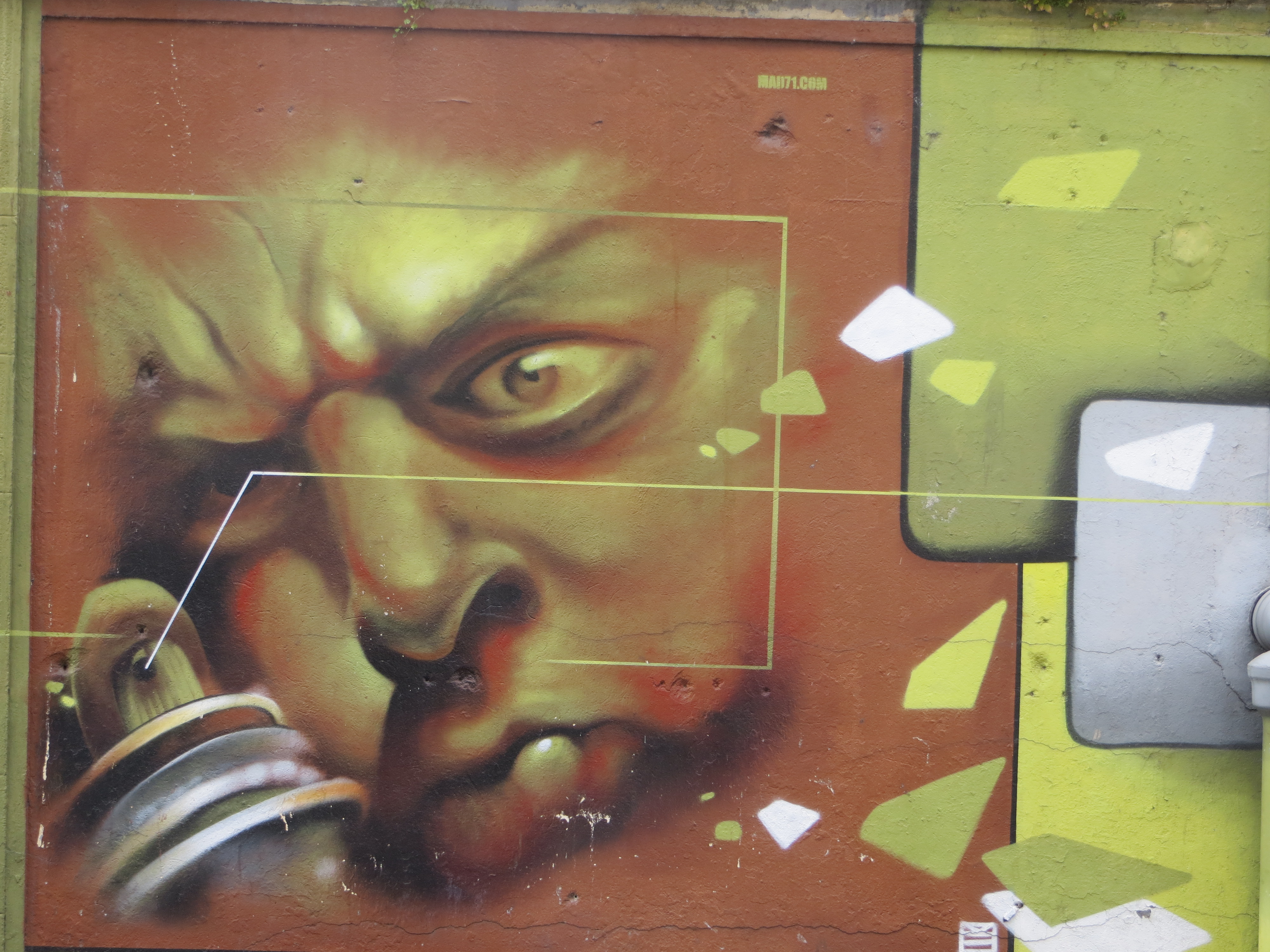
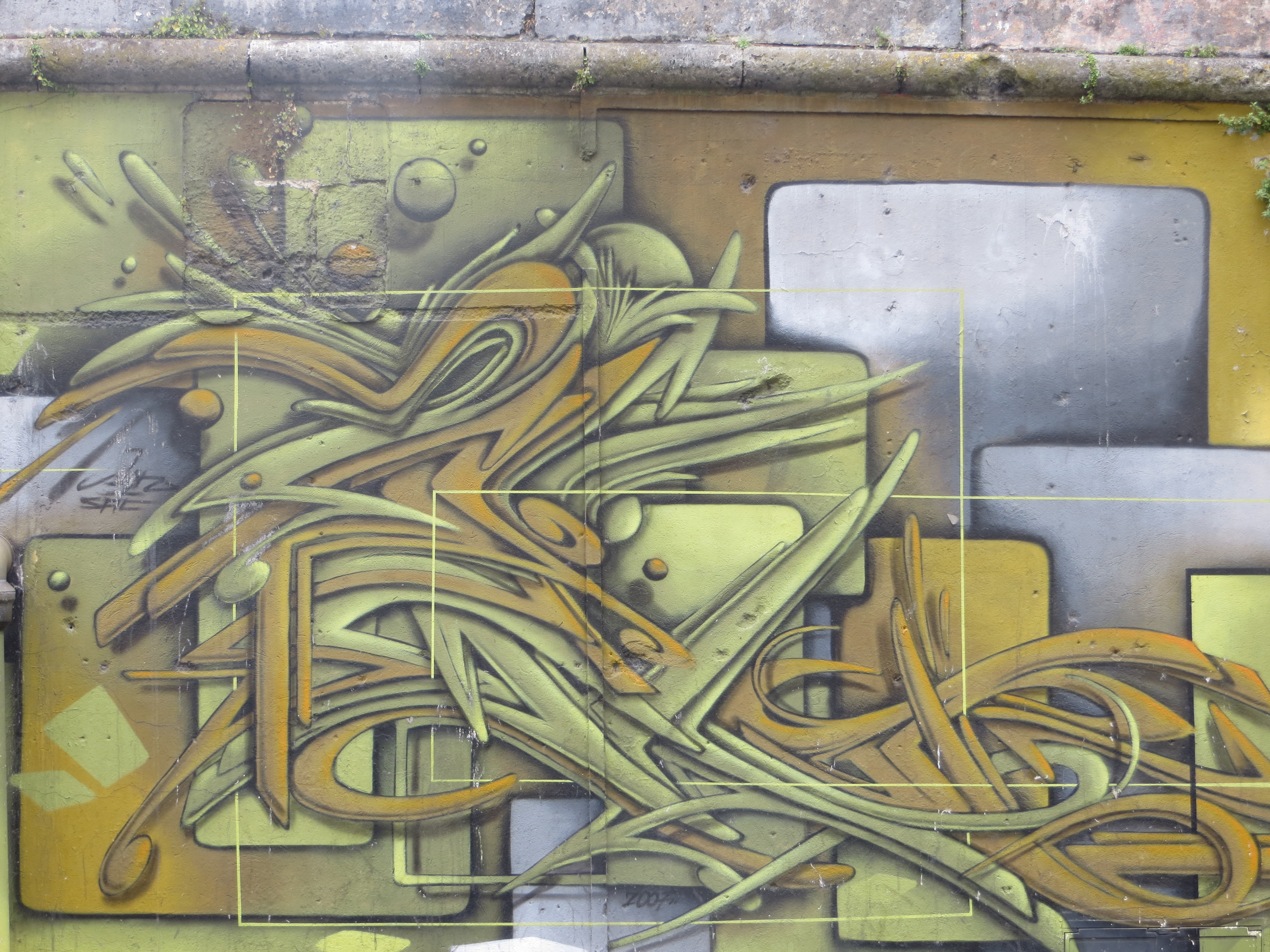
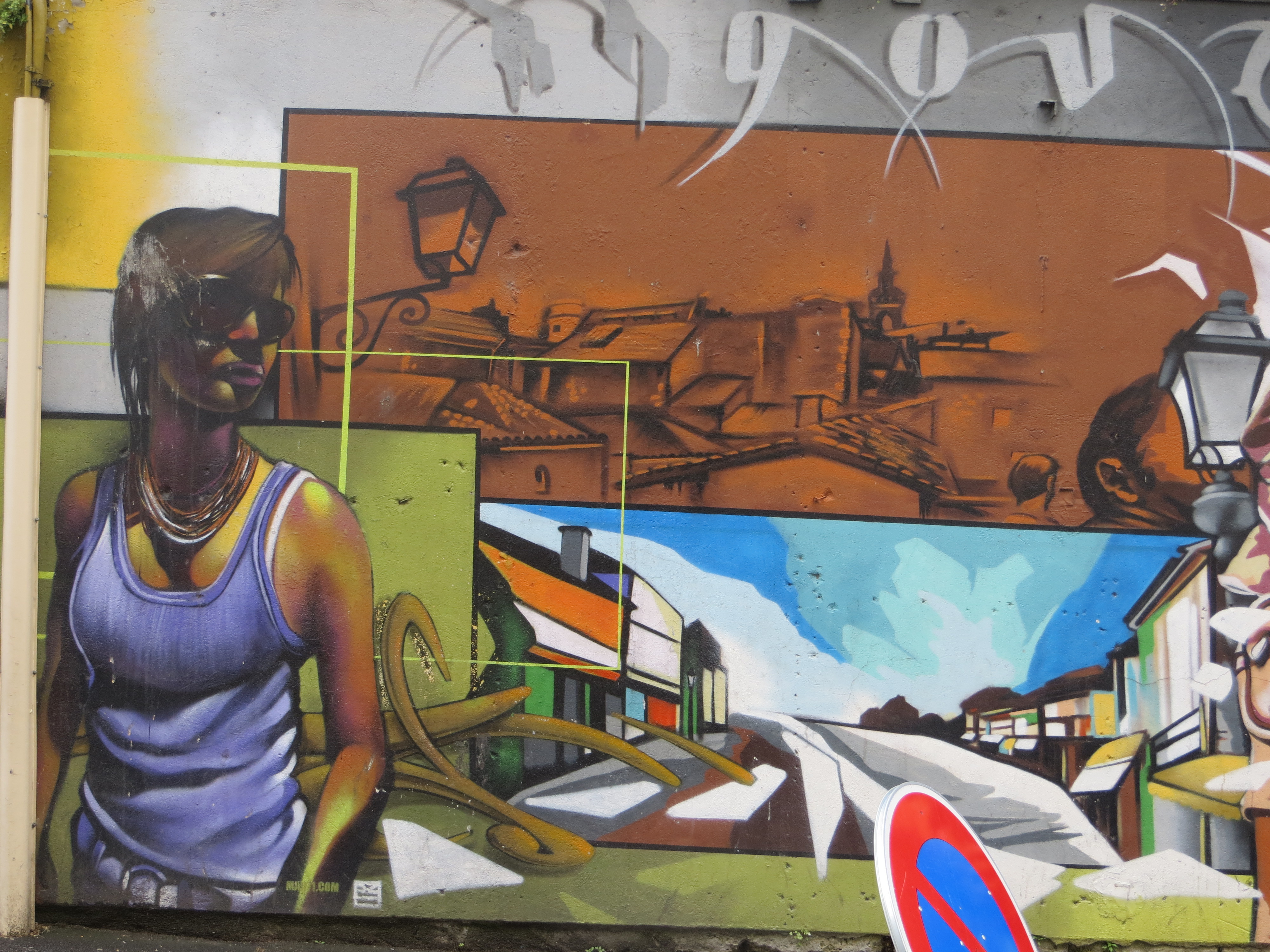
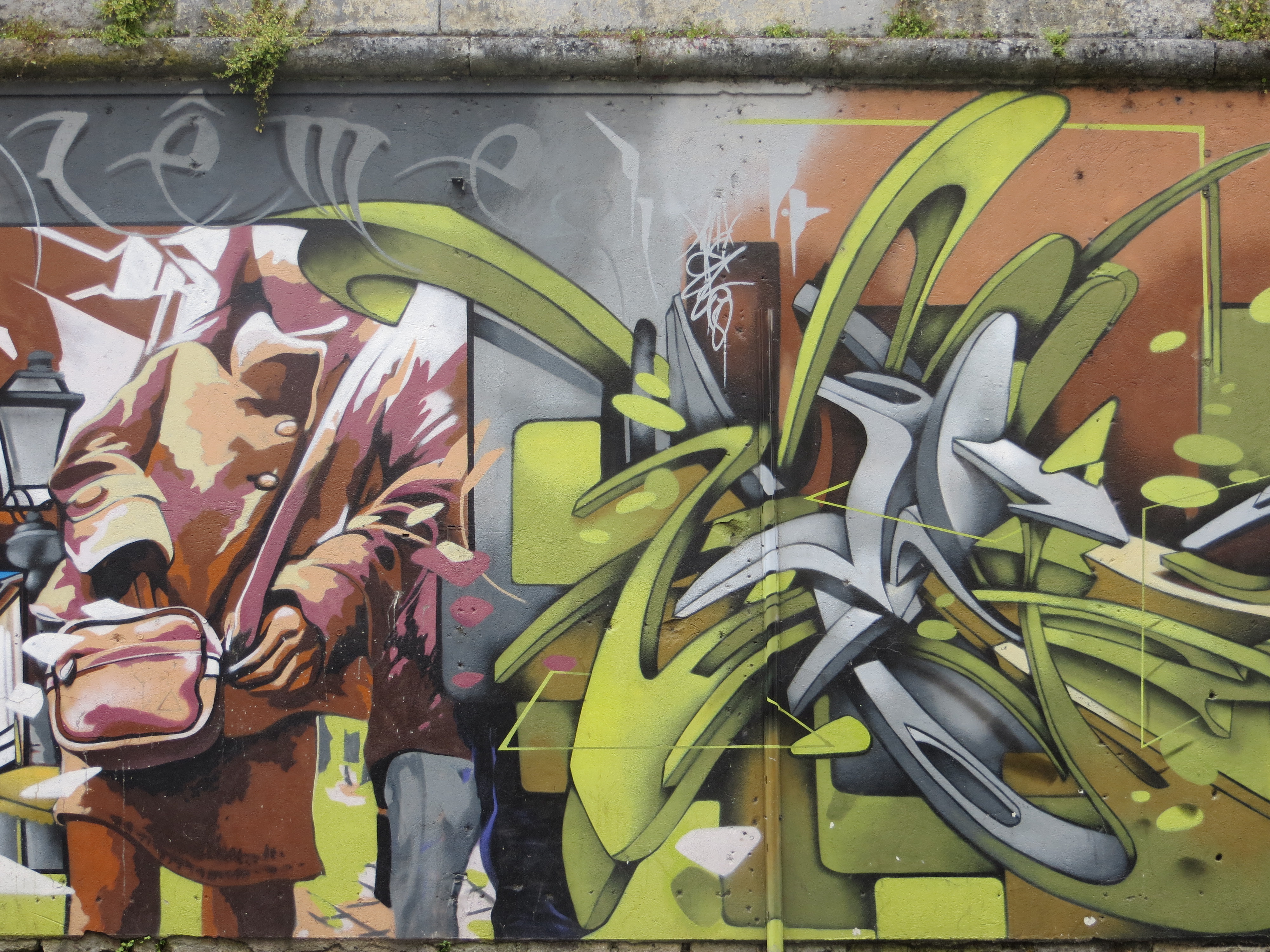
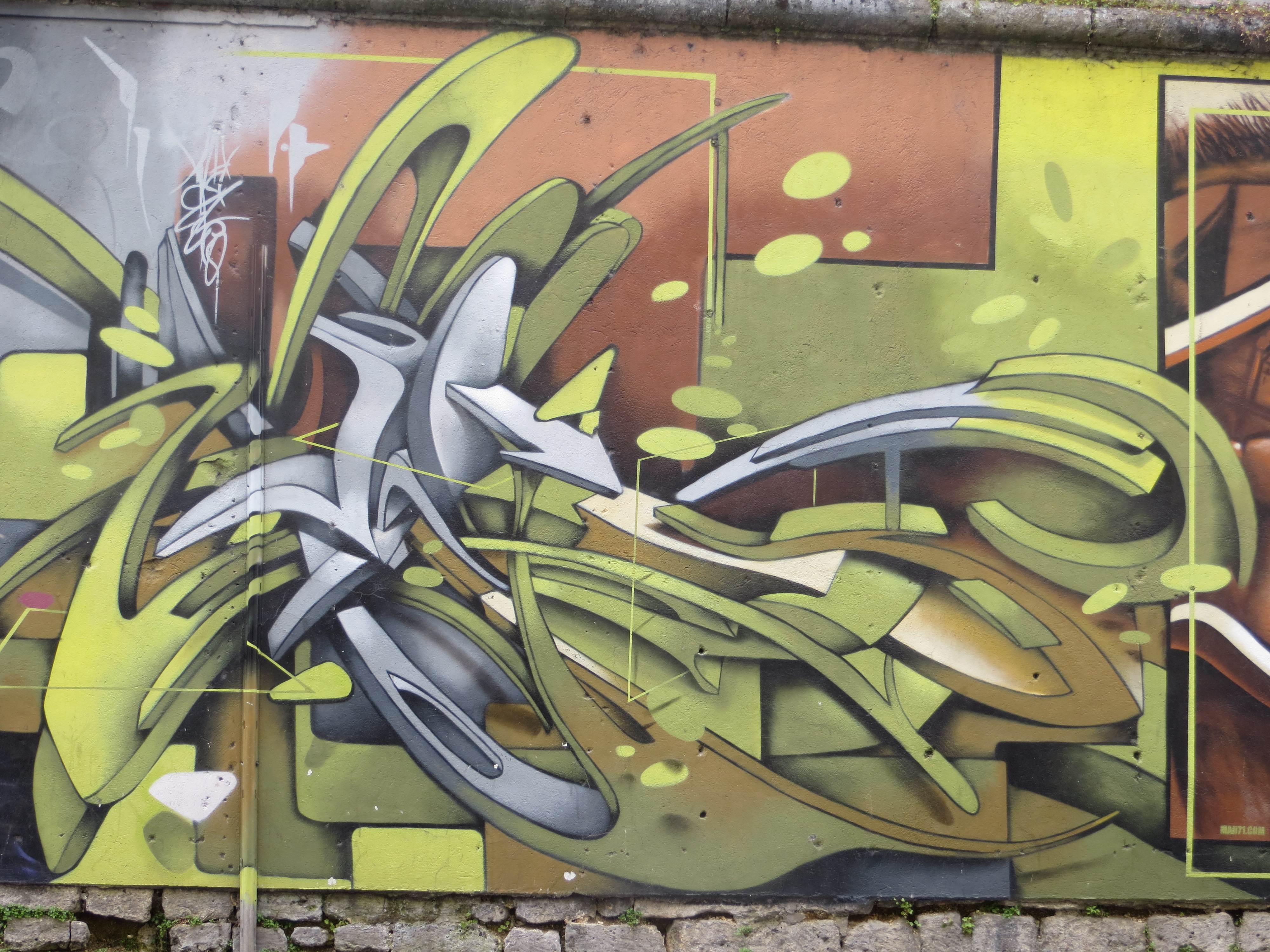
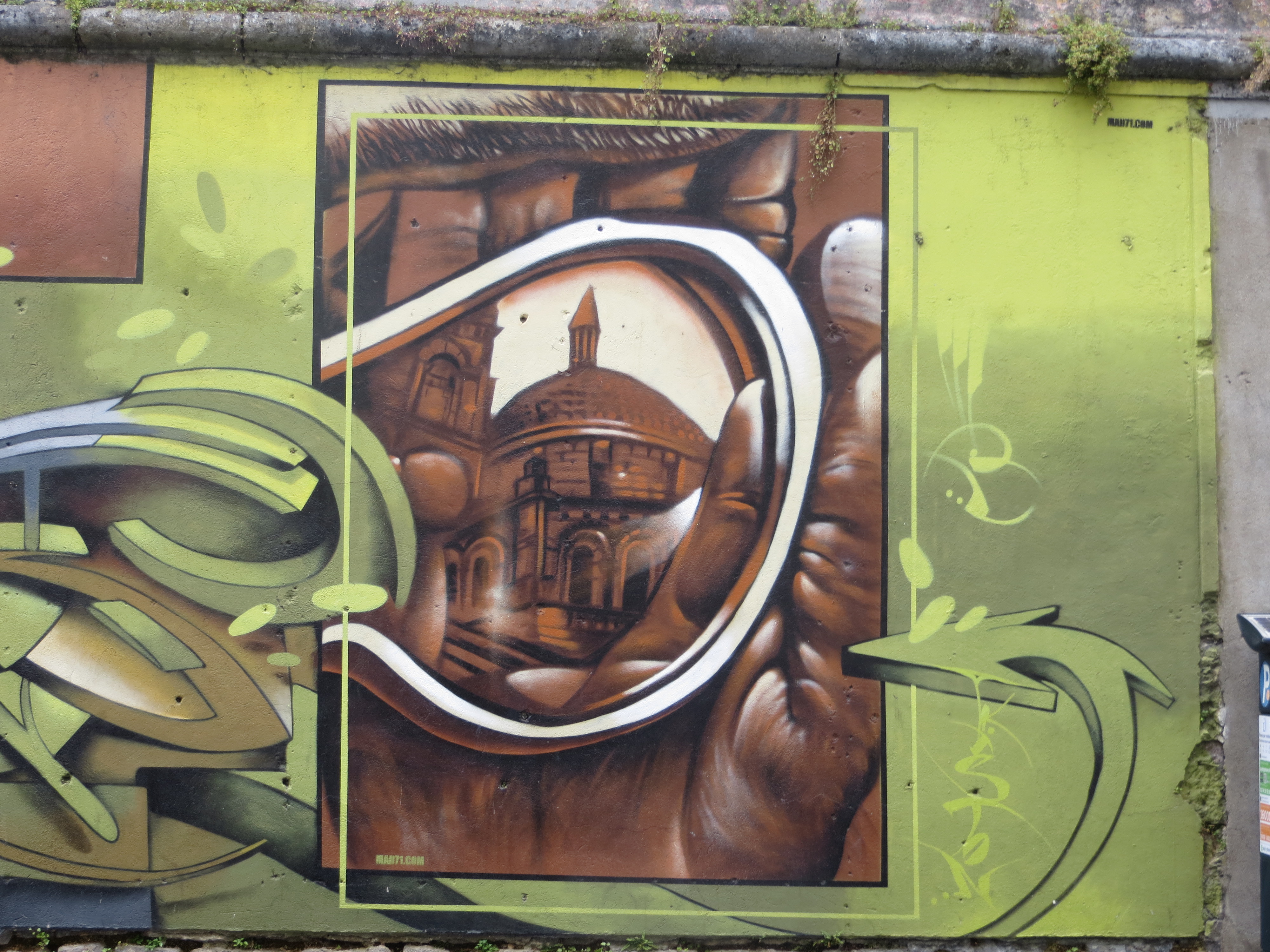
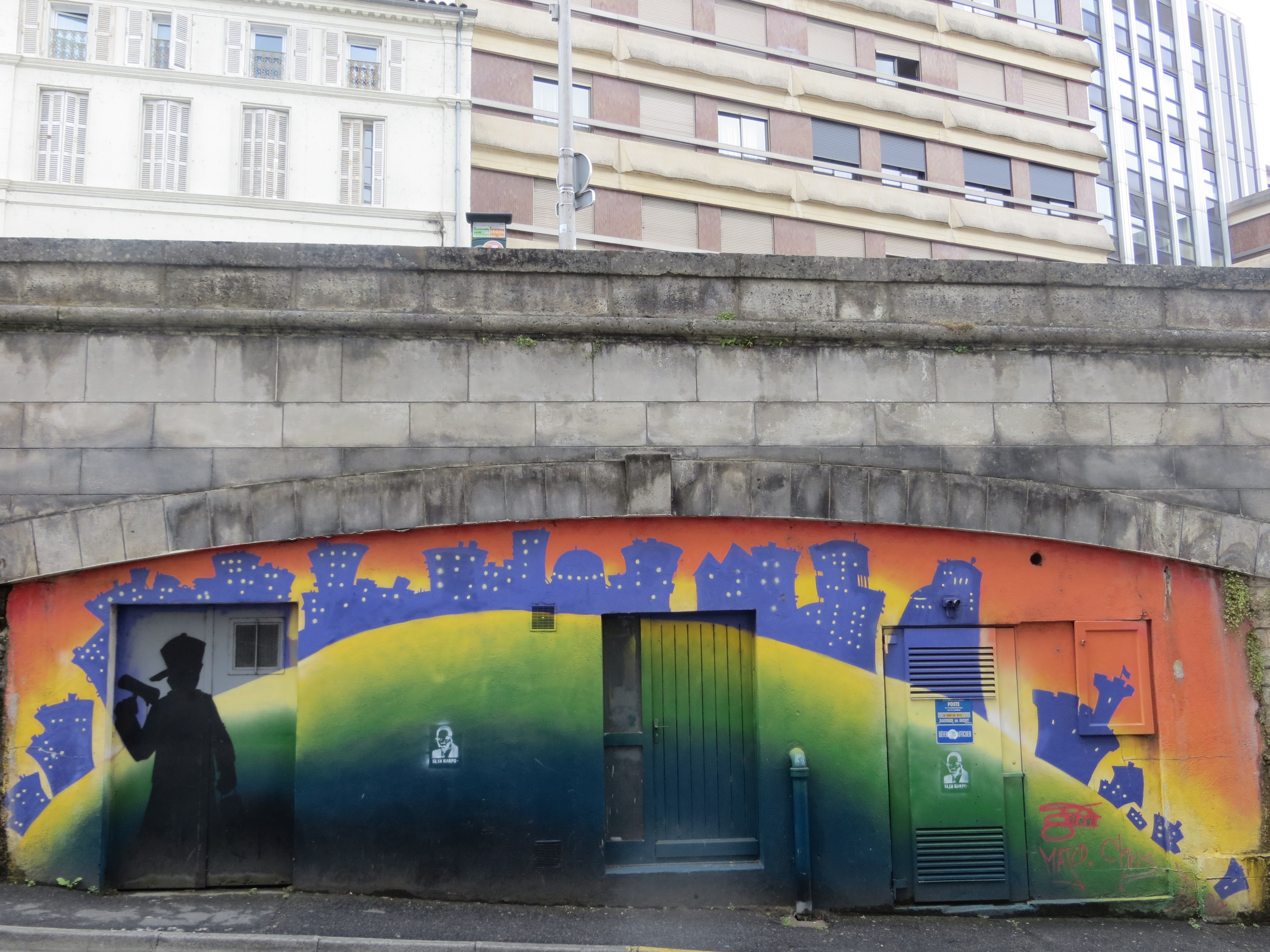
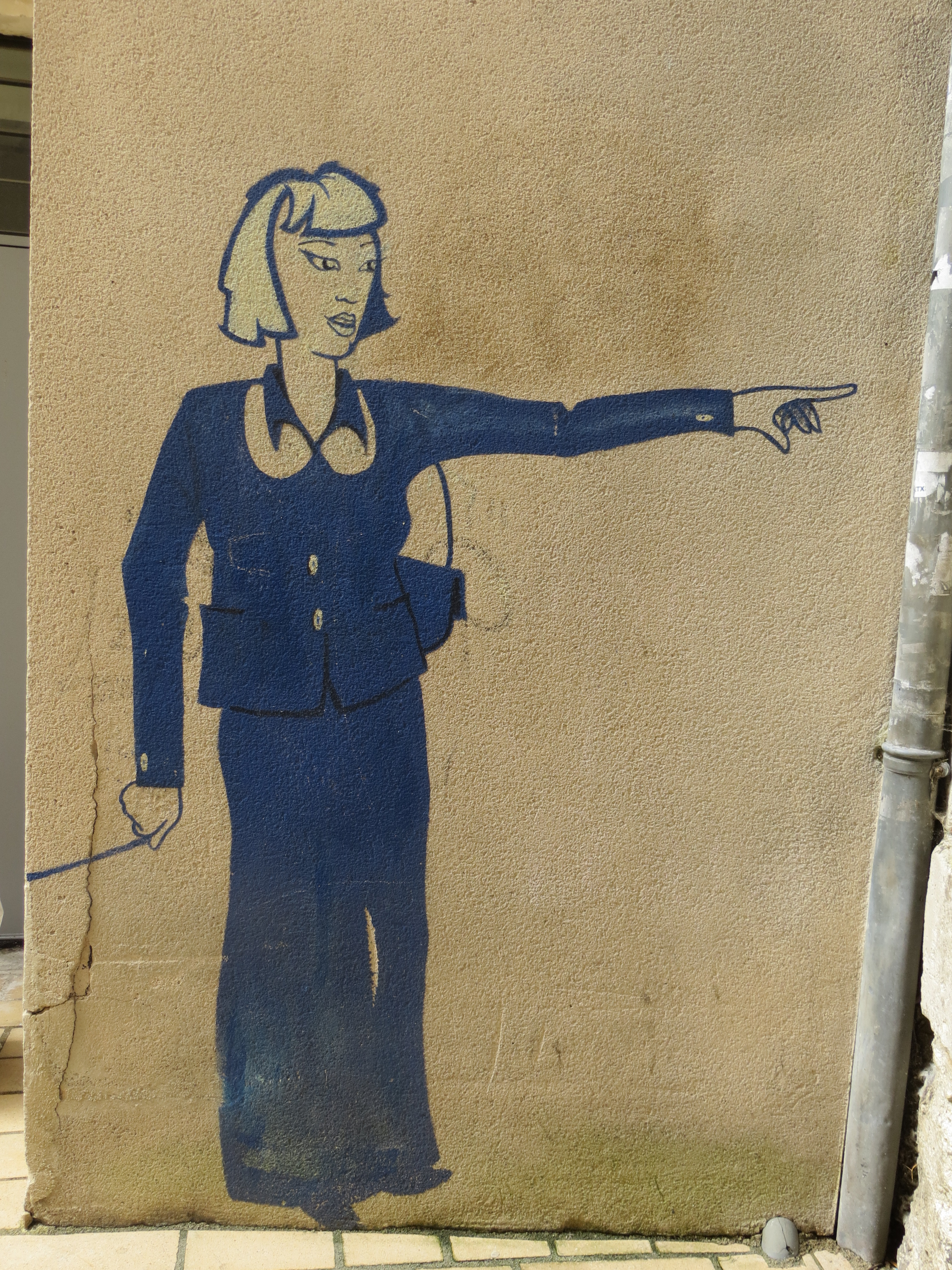
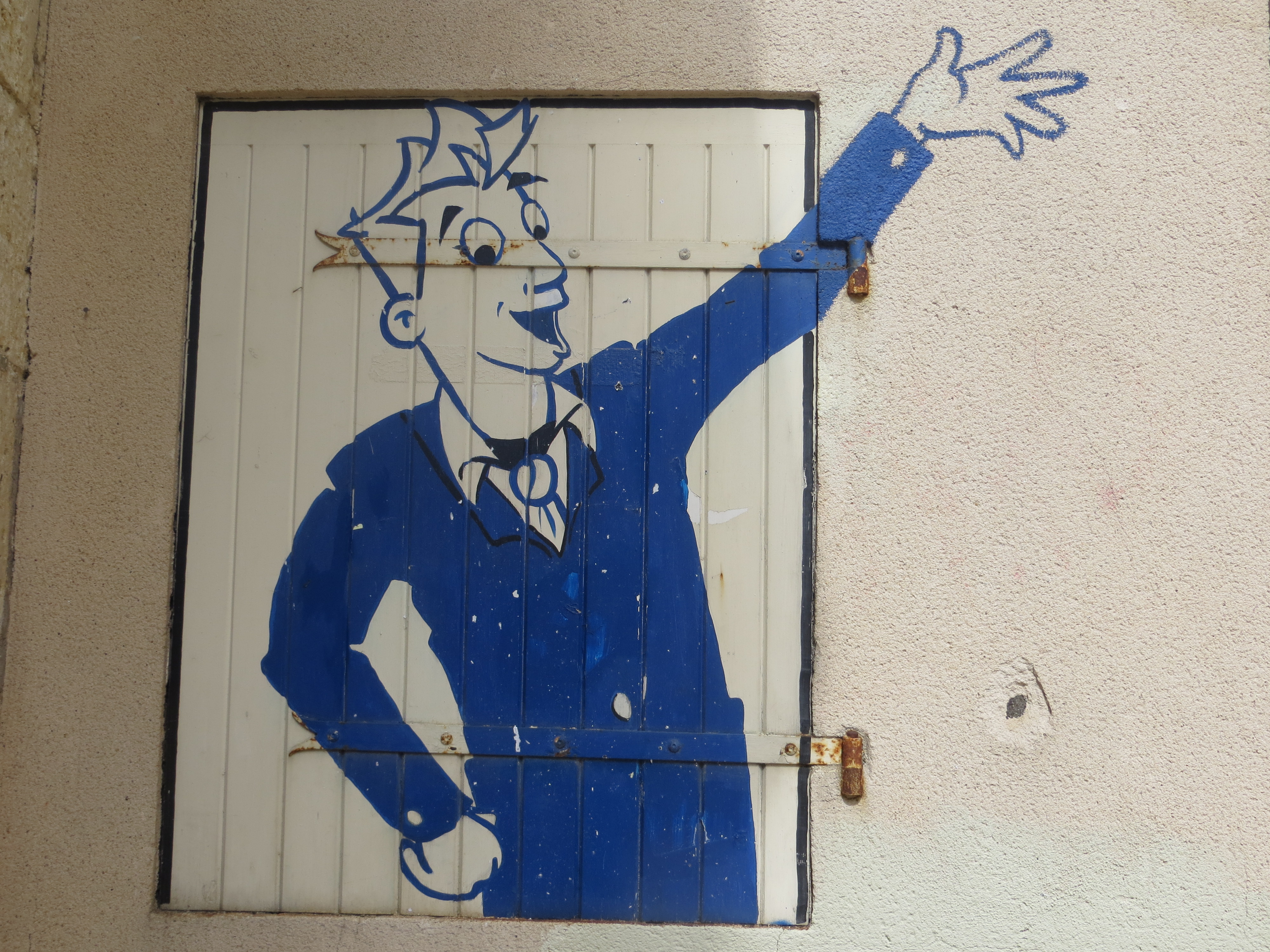
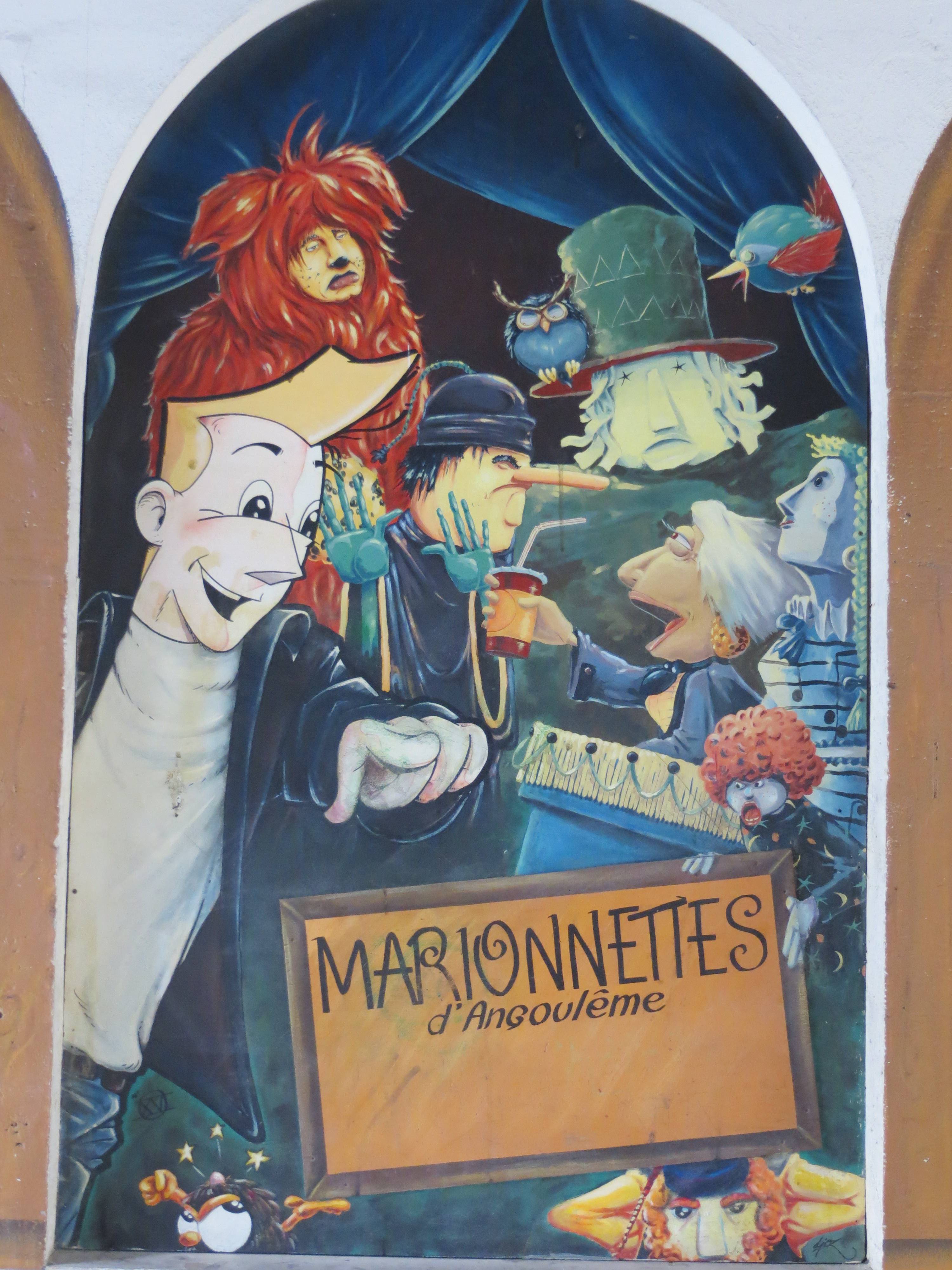
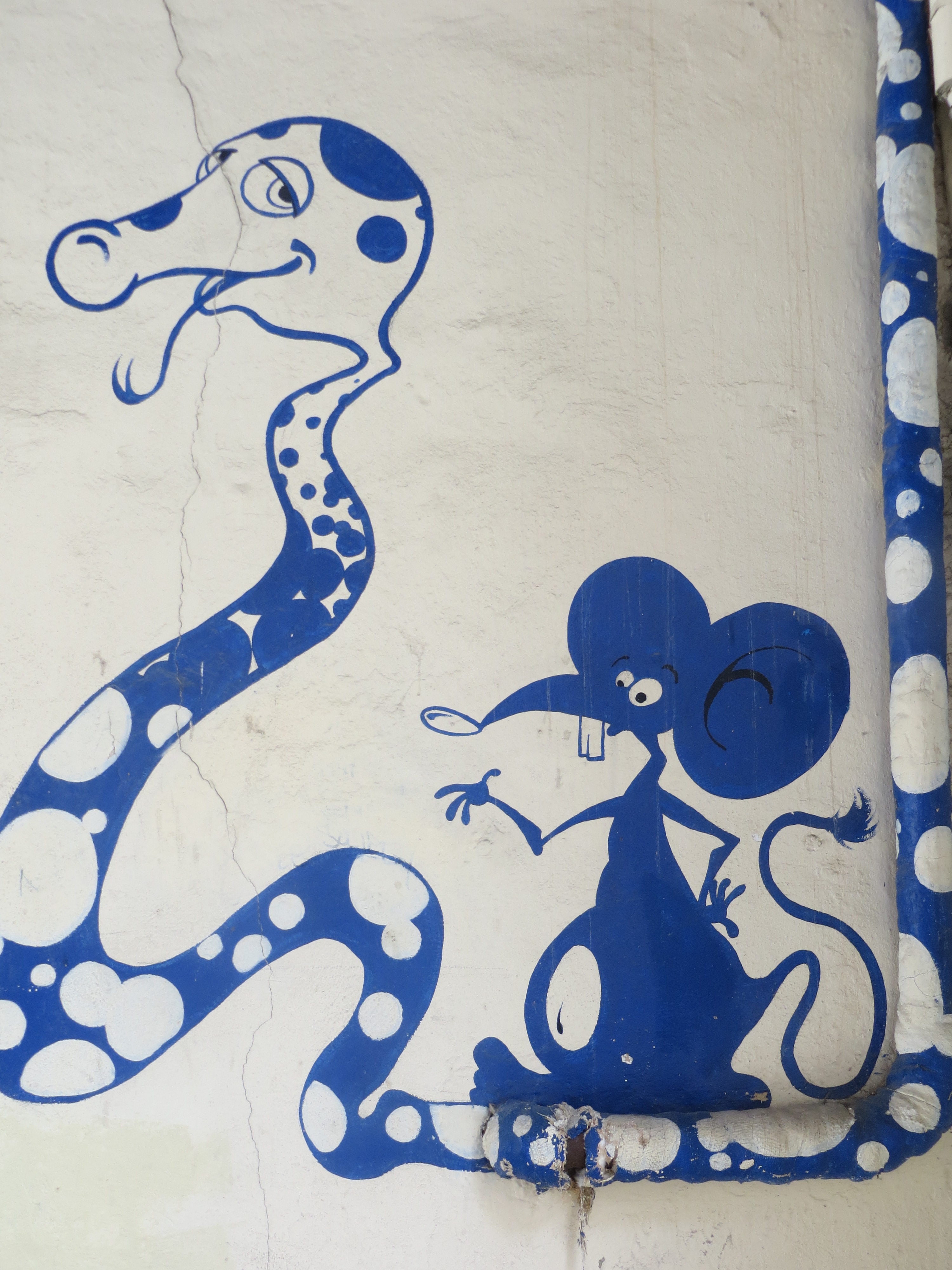
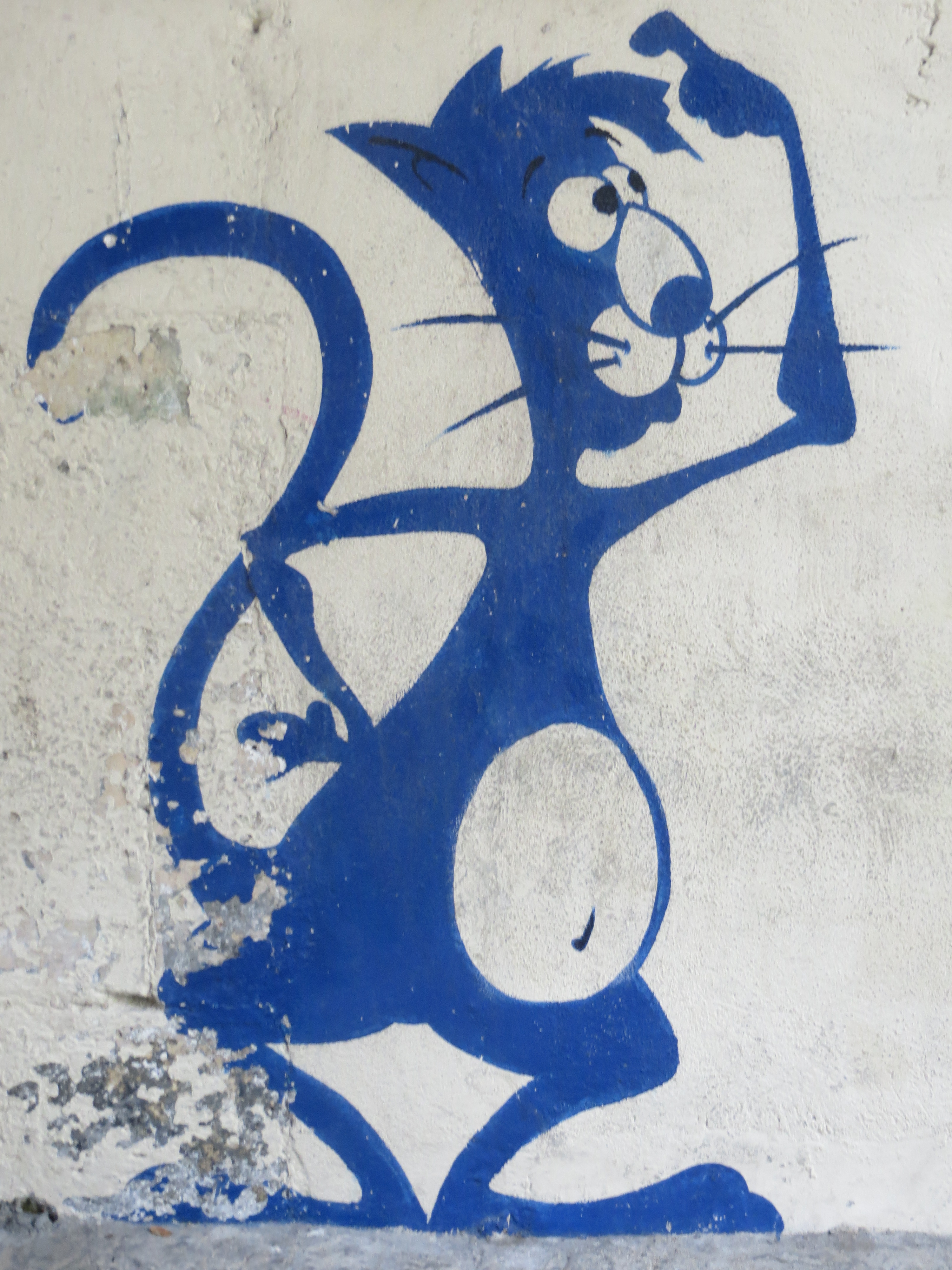
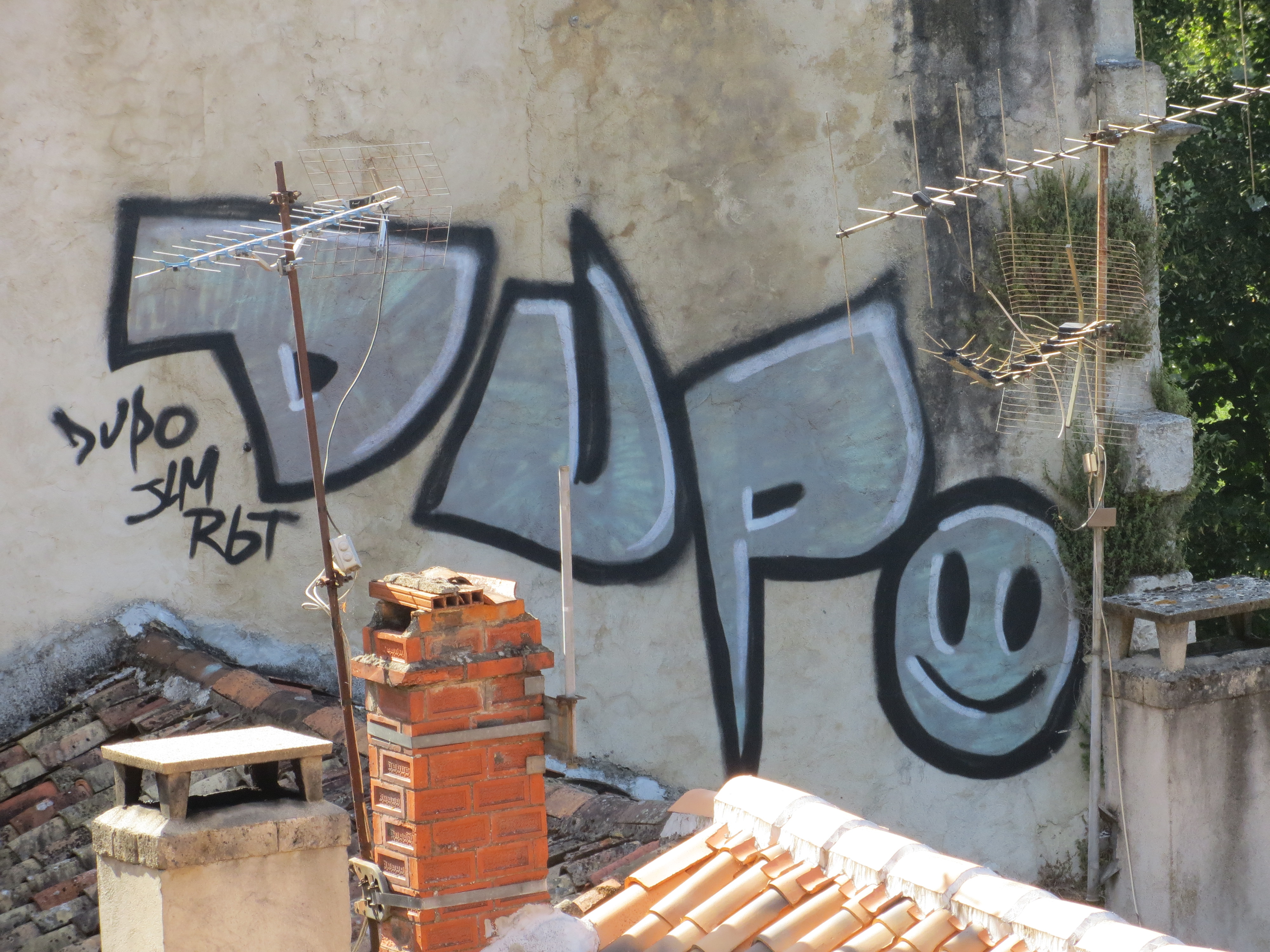
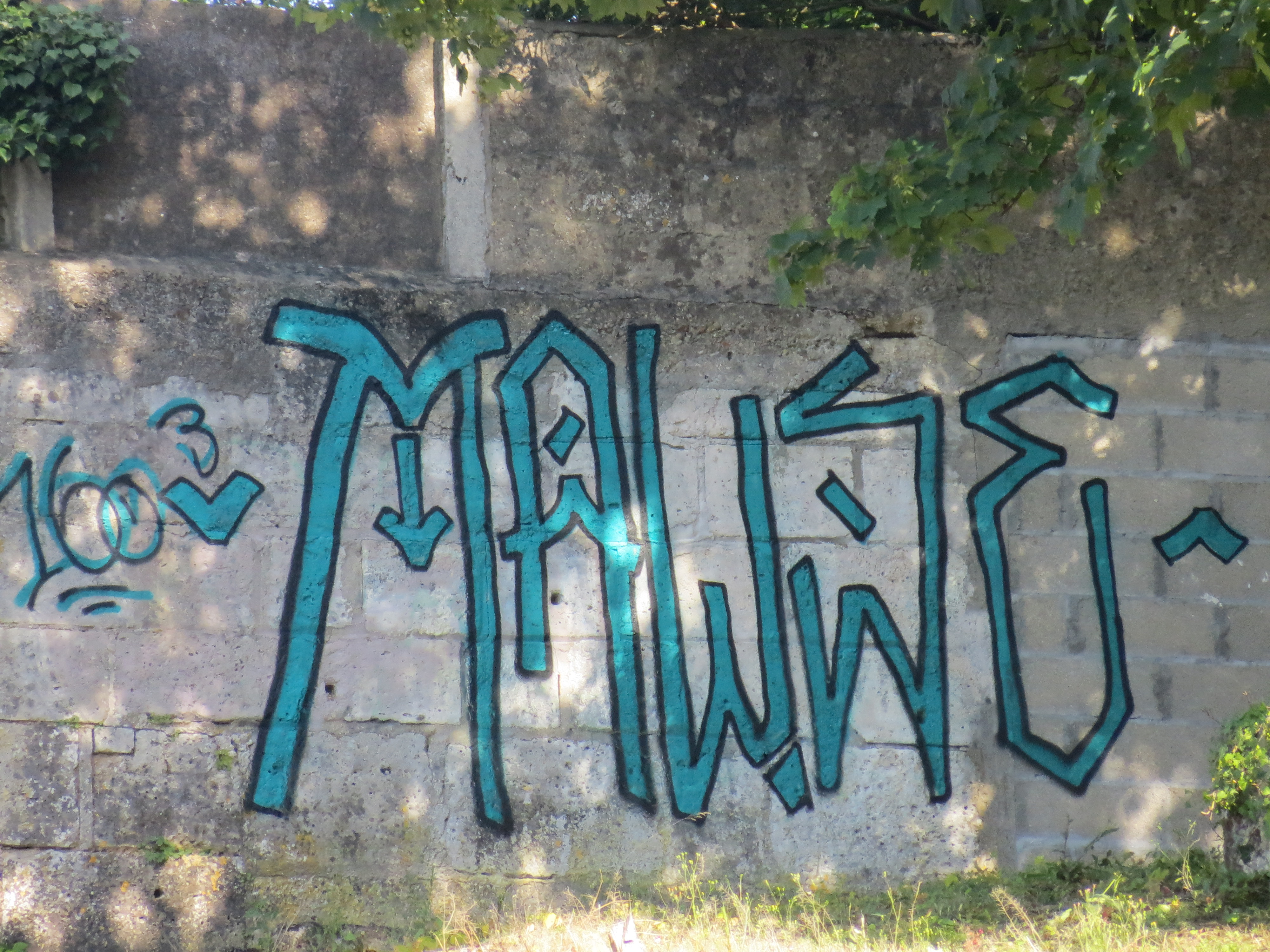
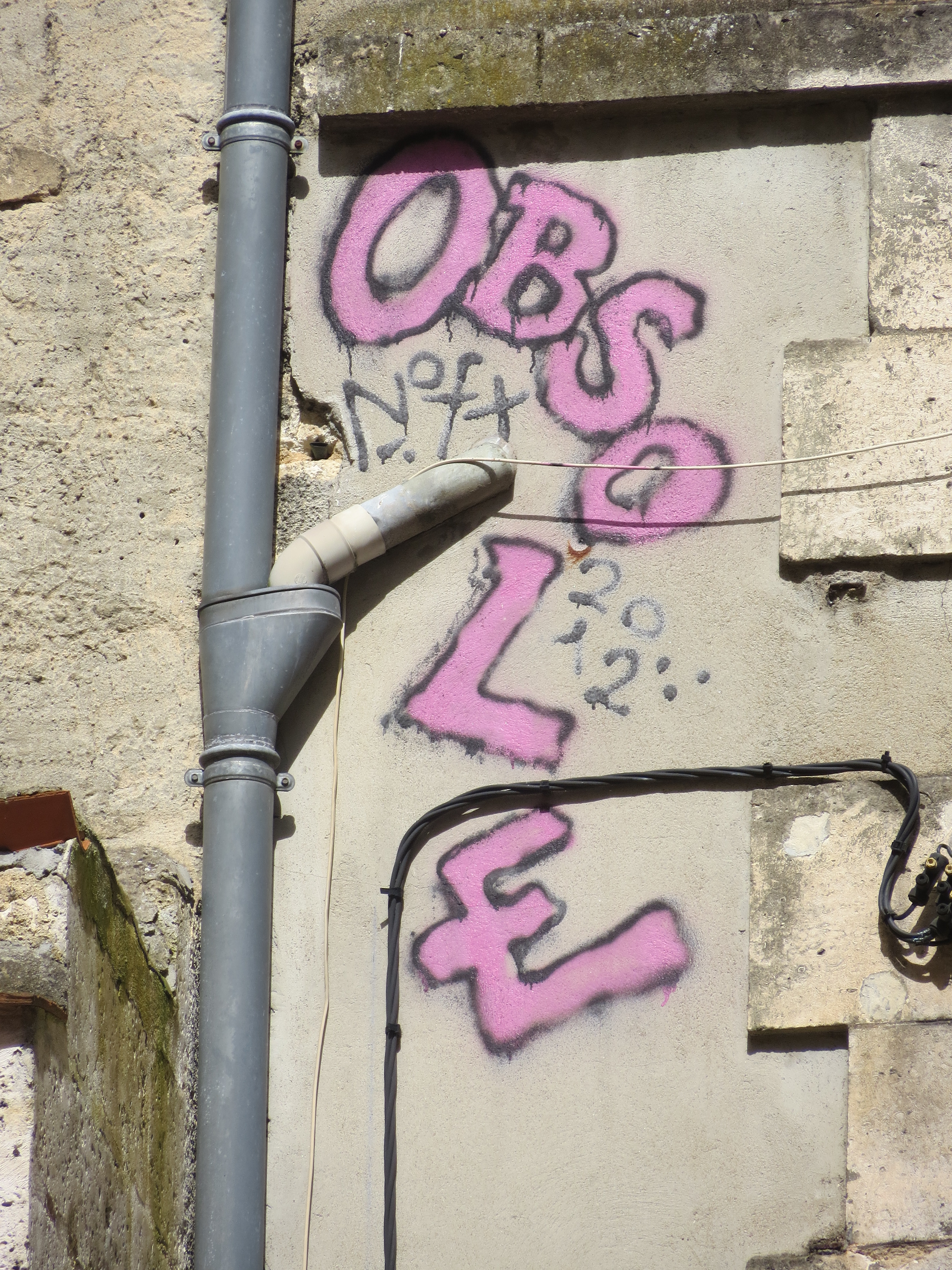
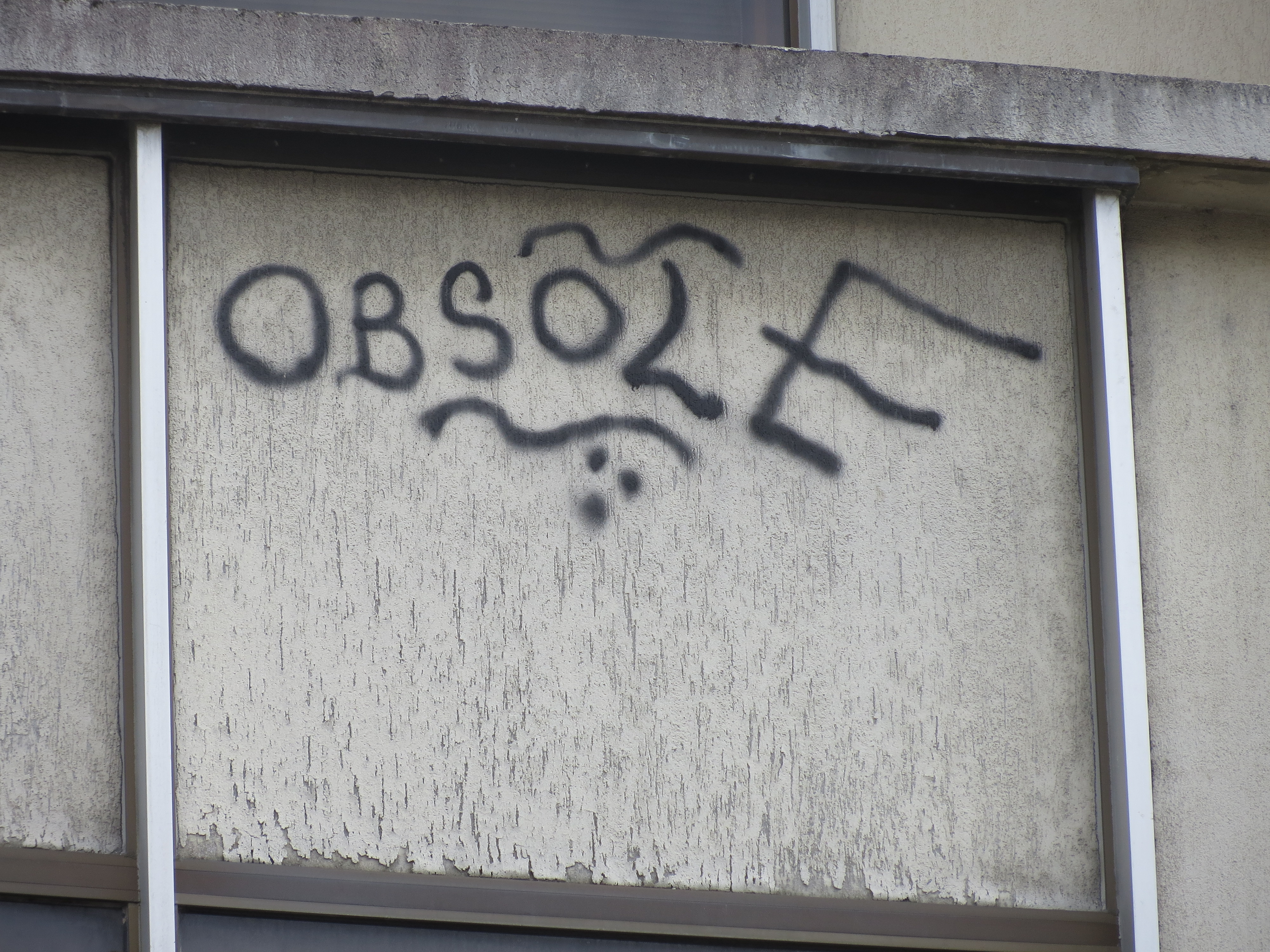
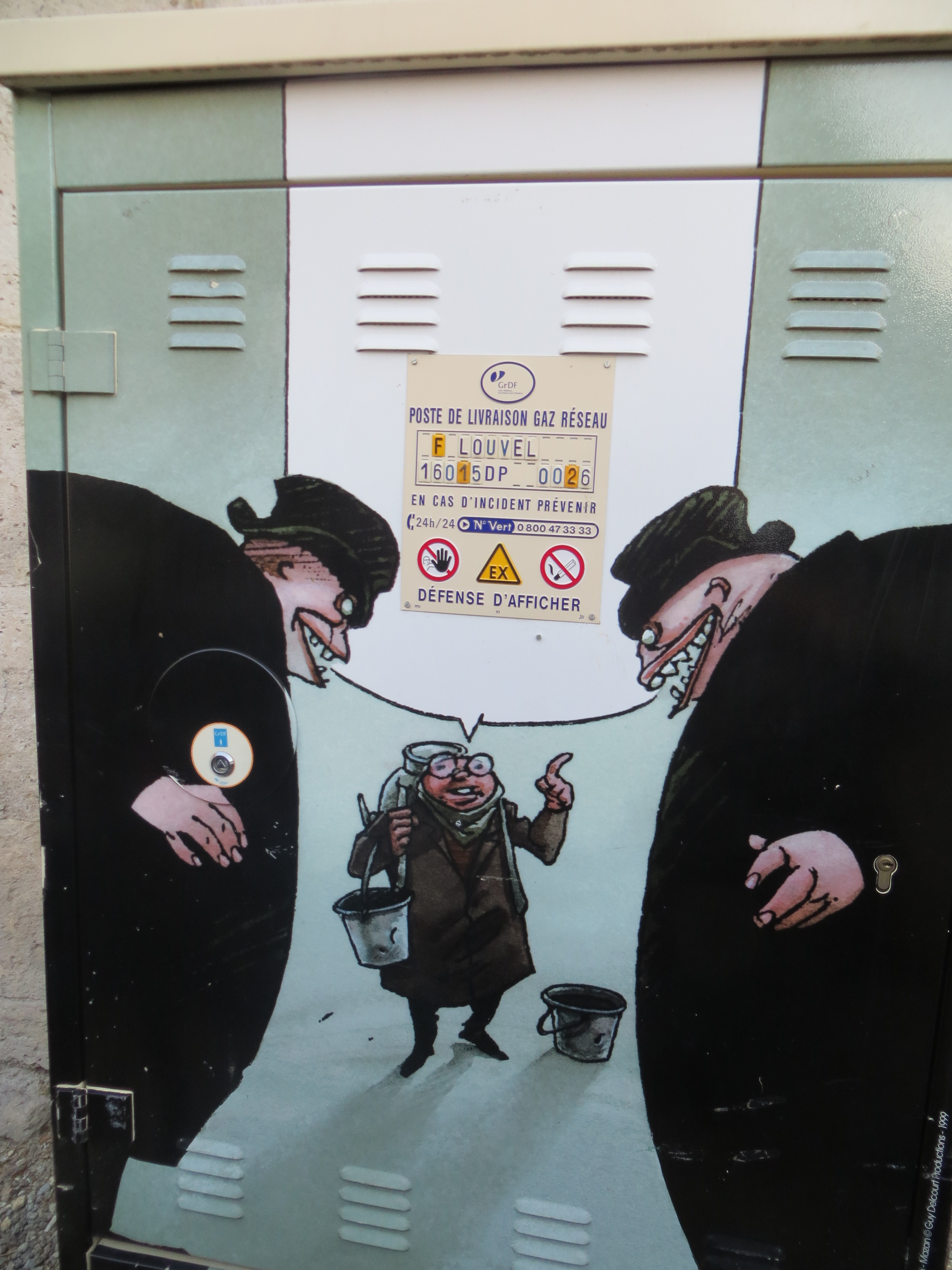
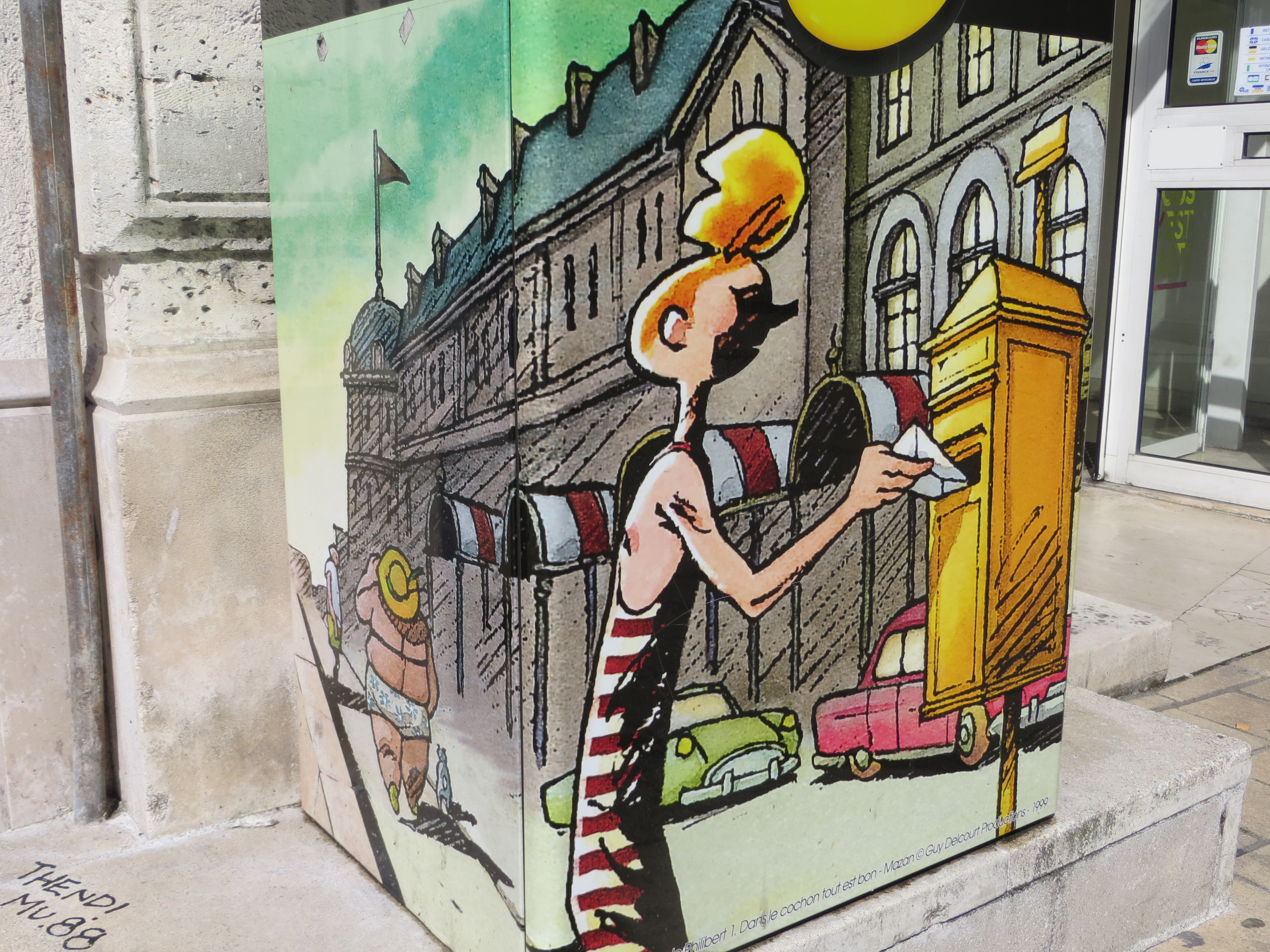
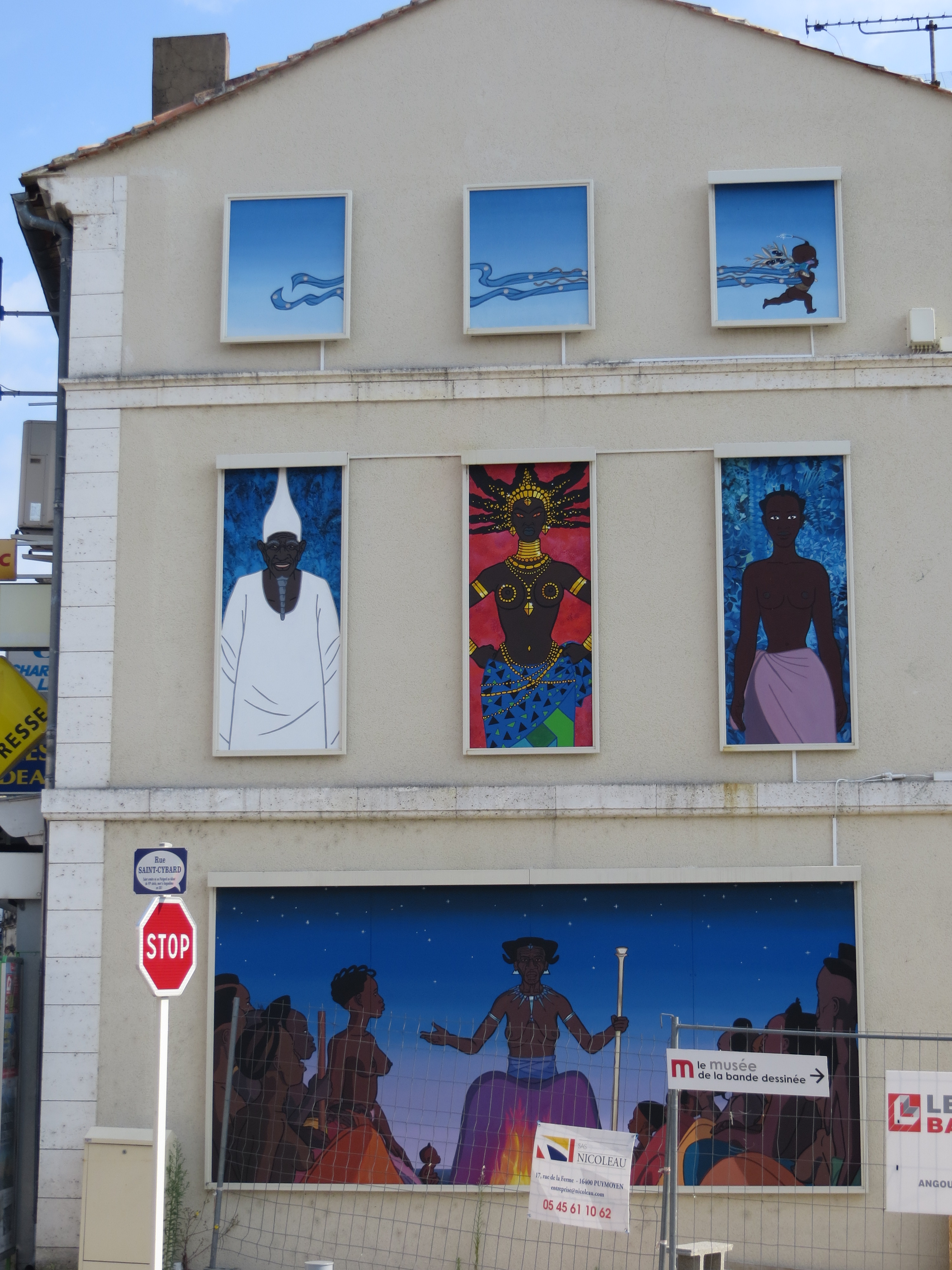
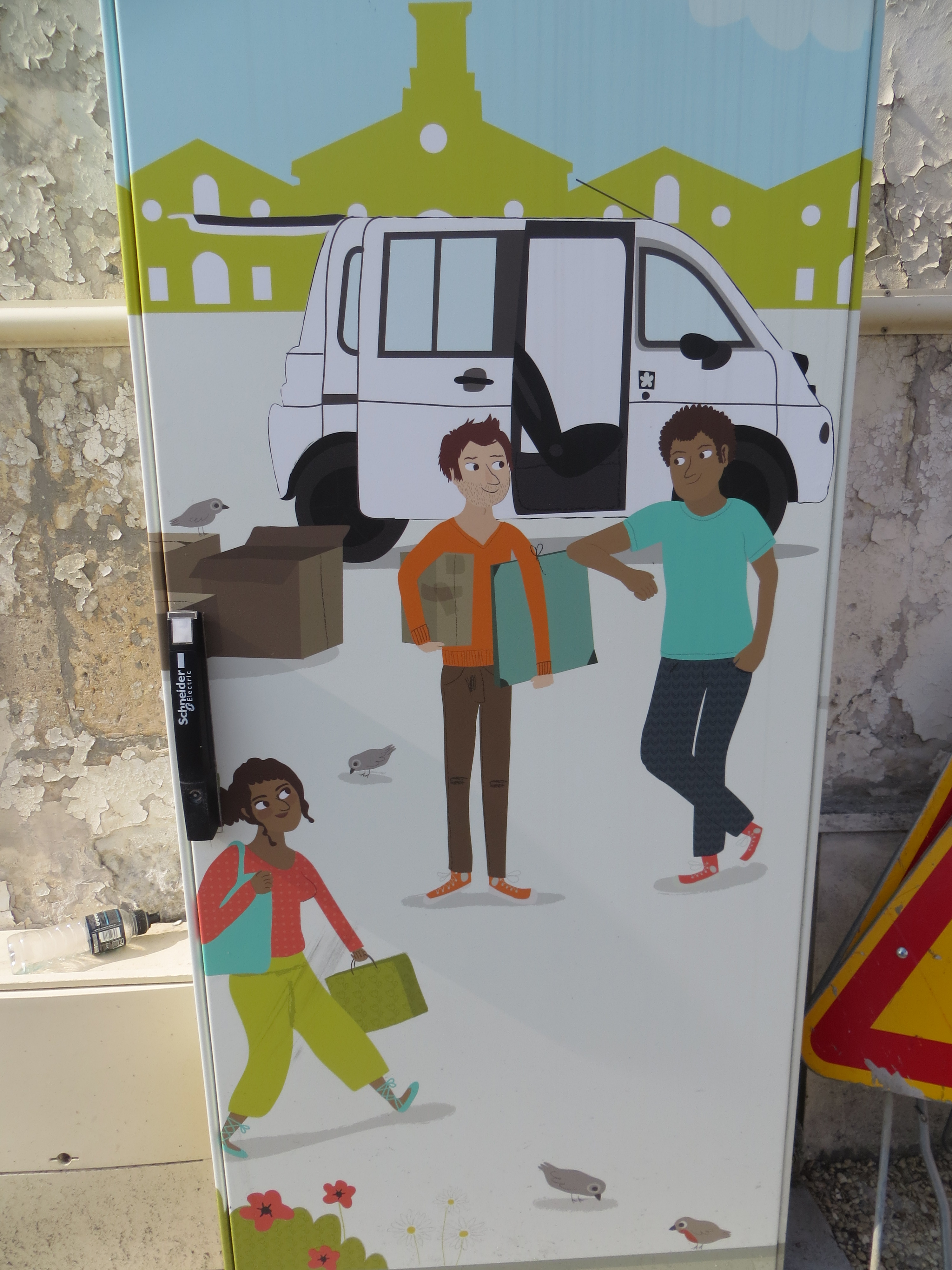
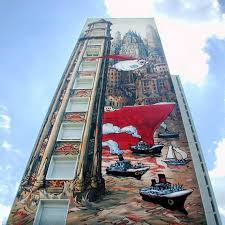
Angouleme’s Les Murs Peints is the only comic book with literal gutters and panels four stories high. My guidebook adds “Circuit des” and translates it “Graffiti Walk,” but “Murs Peints” means “Painted Walls.” CitéCréation commissioned some of France’s most popular bande dessinee (comic book) artists to design them. It’s a fitting choice for the city that’s home to the Cite Internationale de la Bande Dessinee et de l’Image. The web address abbreviates that to citebd, or, literally, Comic Book City. I spent a couple of days at their research library and museum, so the murs were mostly an afterhours perk. My guidebook thinks there are twenty, but then I saw another dozen online and so kept looking. The tourist bureau has a map, but the city is a medieval maze. Unofficial strolls also produce a range of unofficial additions.

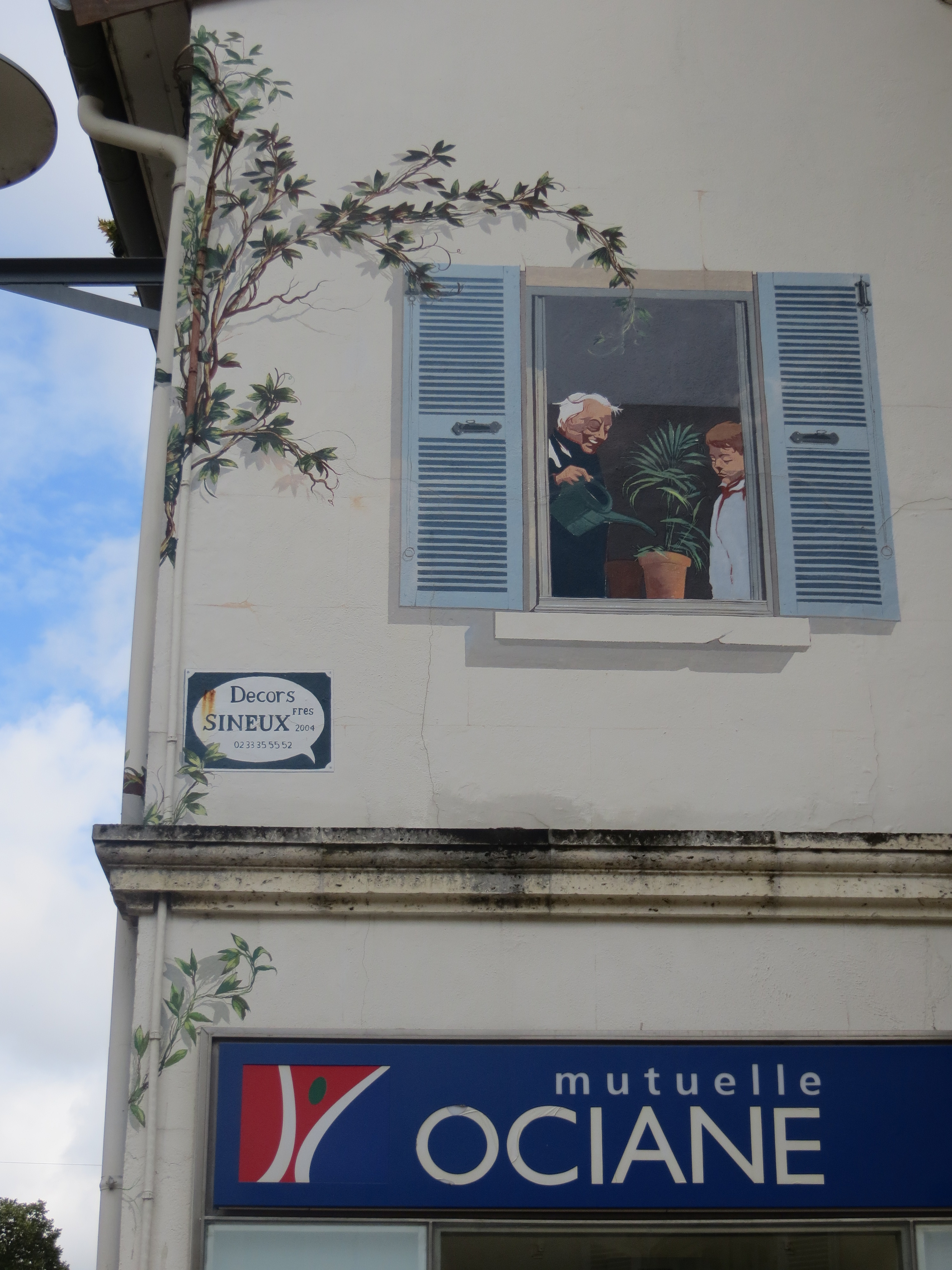
Some of the murals are so large they are hard to miss:
 

Angouleme day 1 021 Angouleme day 1 020

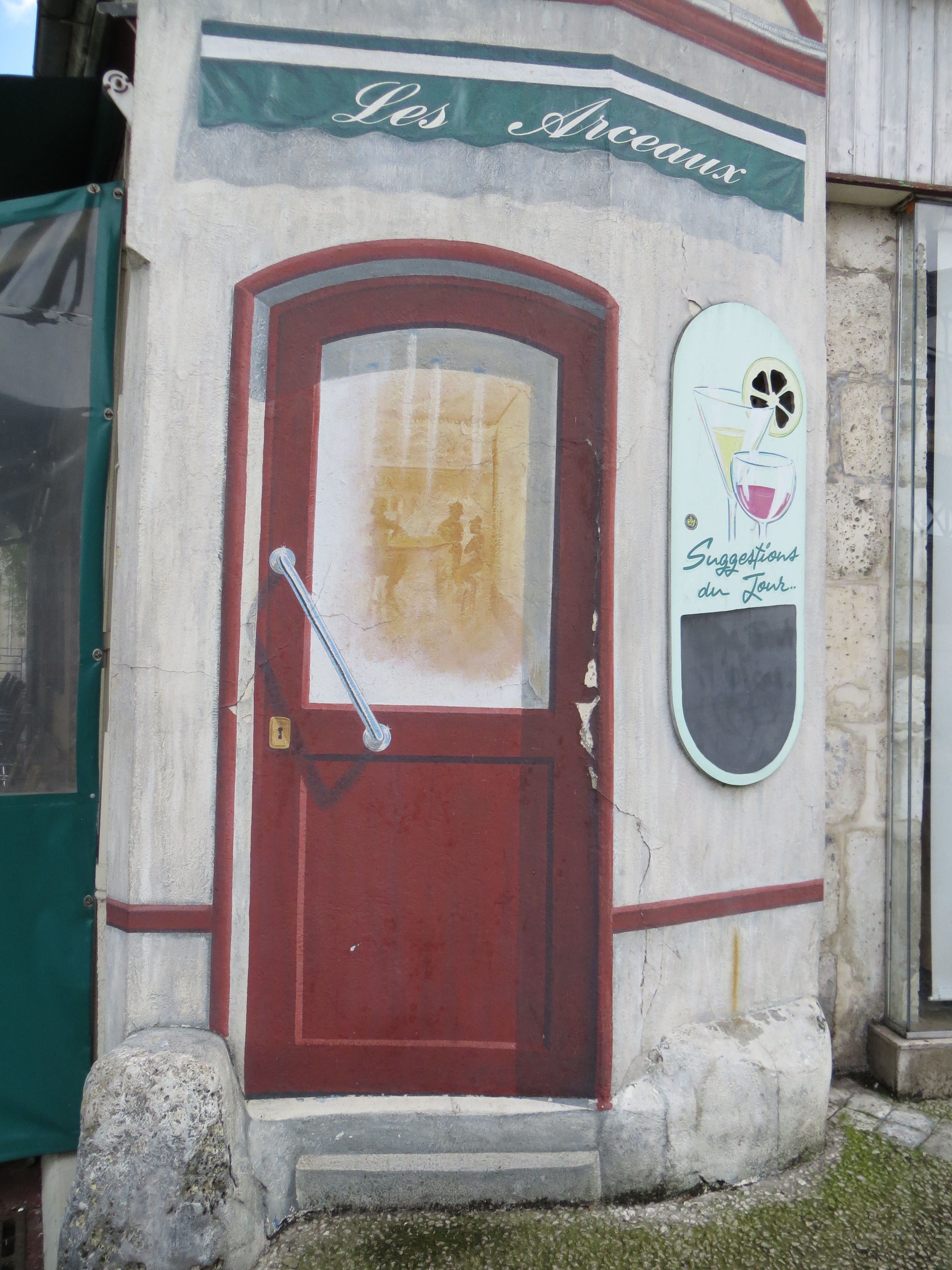
Some you can walk past without noticing:
 

Angouleme day 1 092 Angouleme day 1 038


angouleme mural.

 
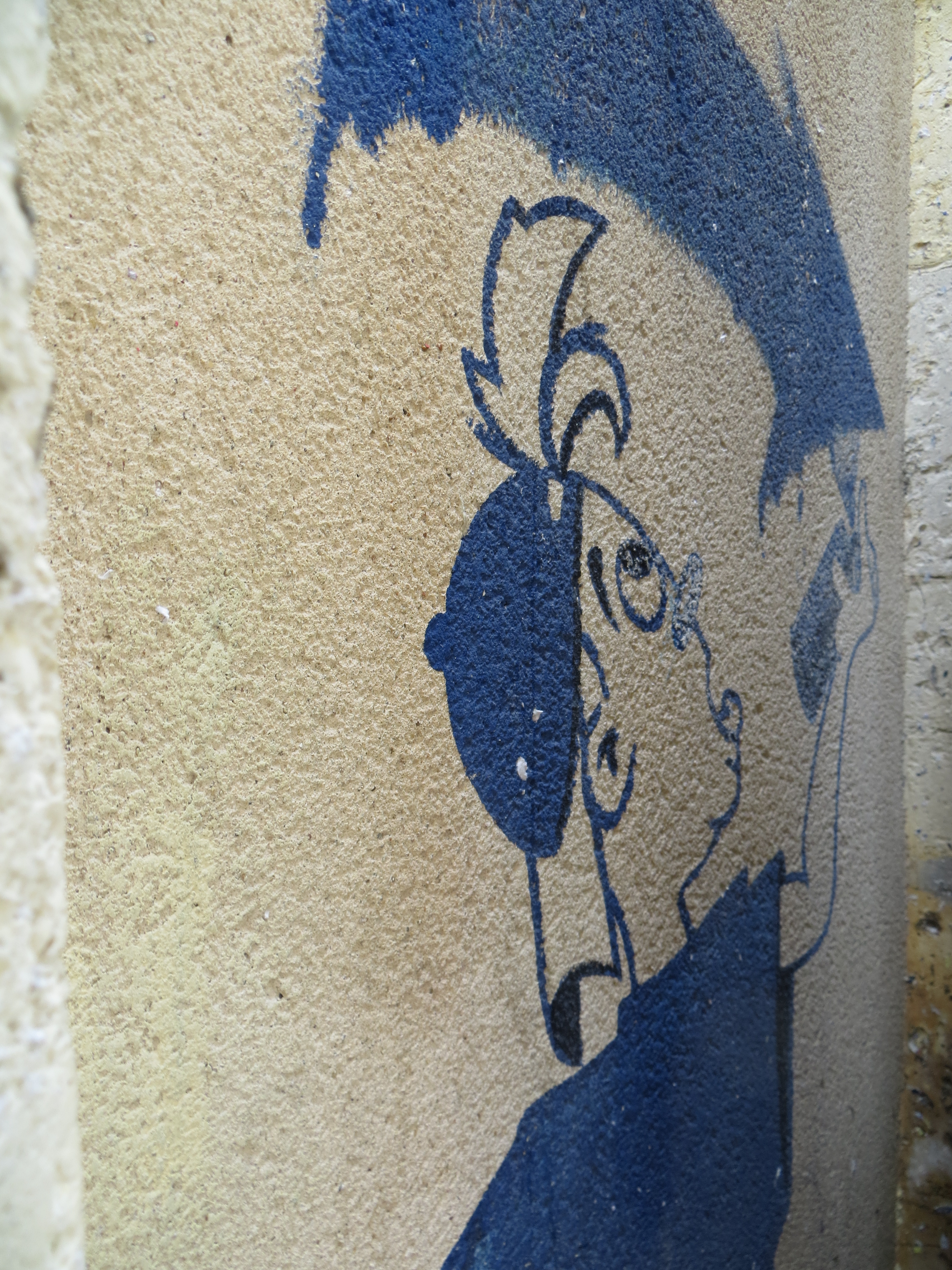
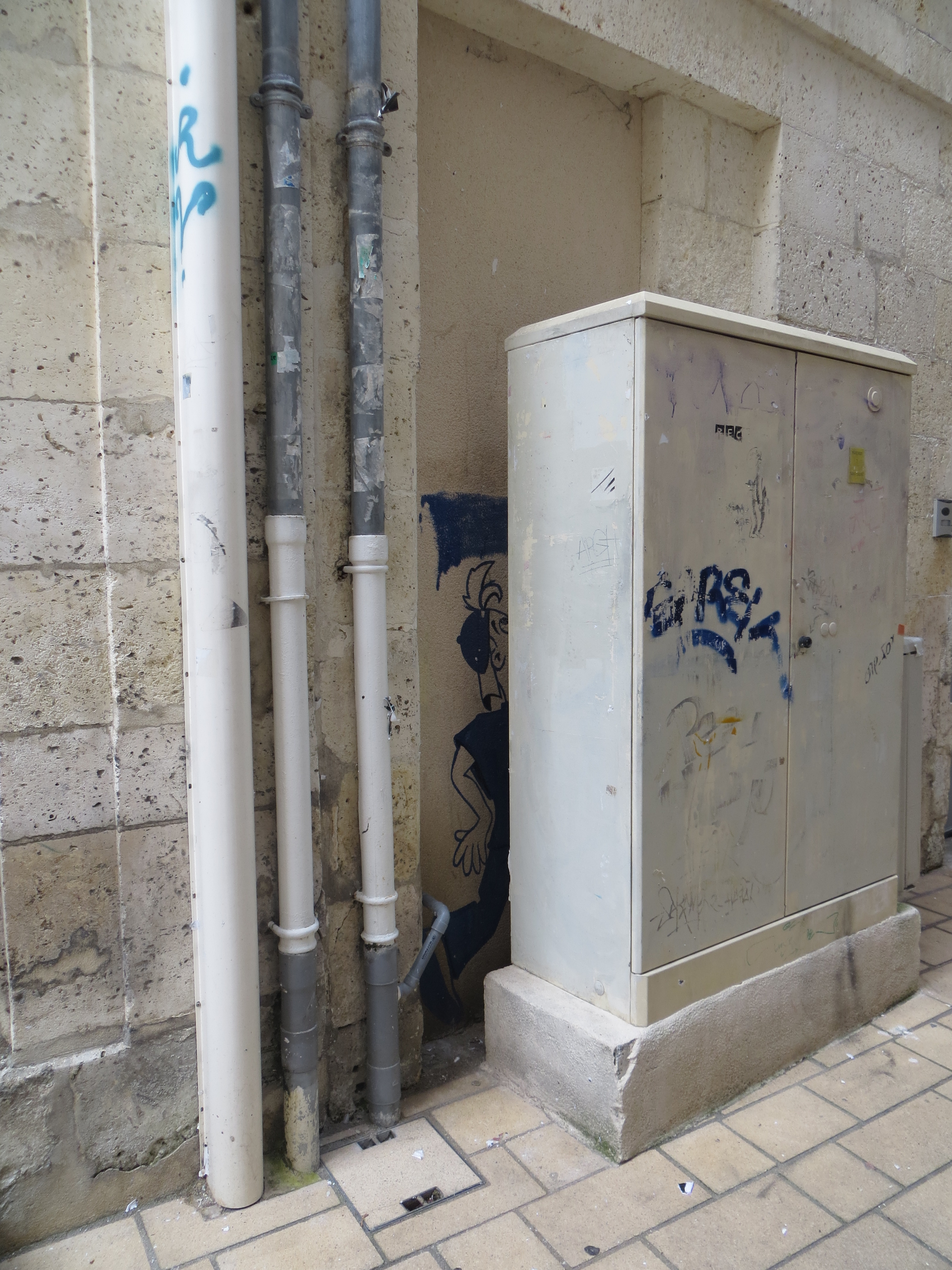
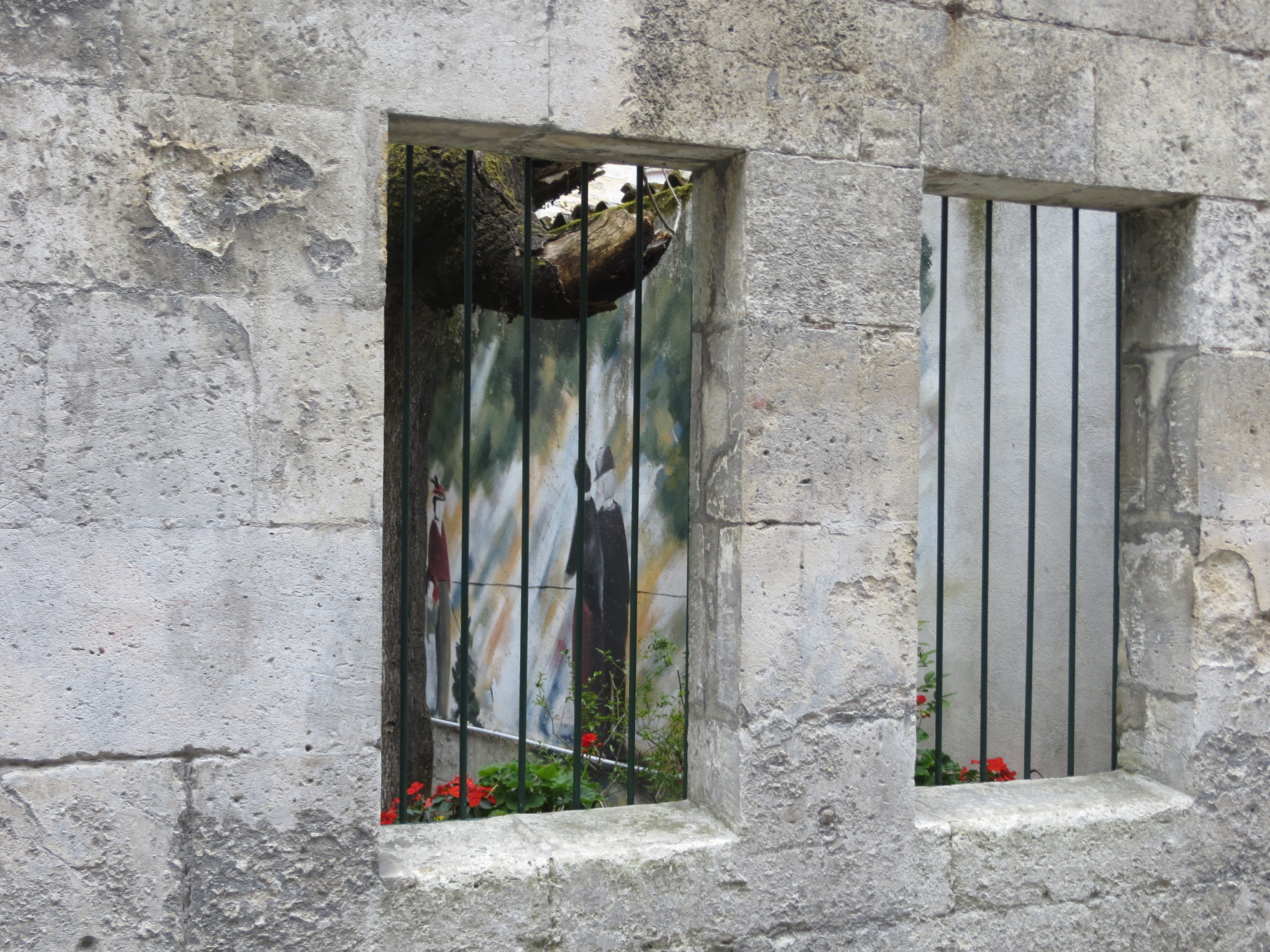
Some images are literally hidden:
 

Angouleme day 1 073 more angouleme 158


001 002

 
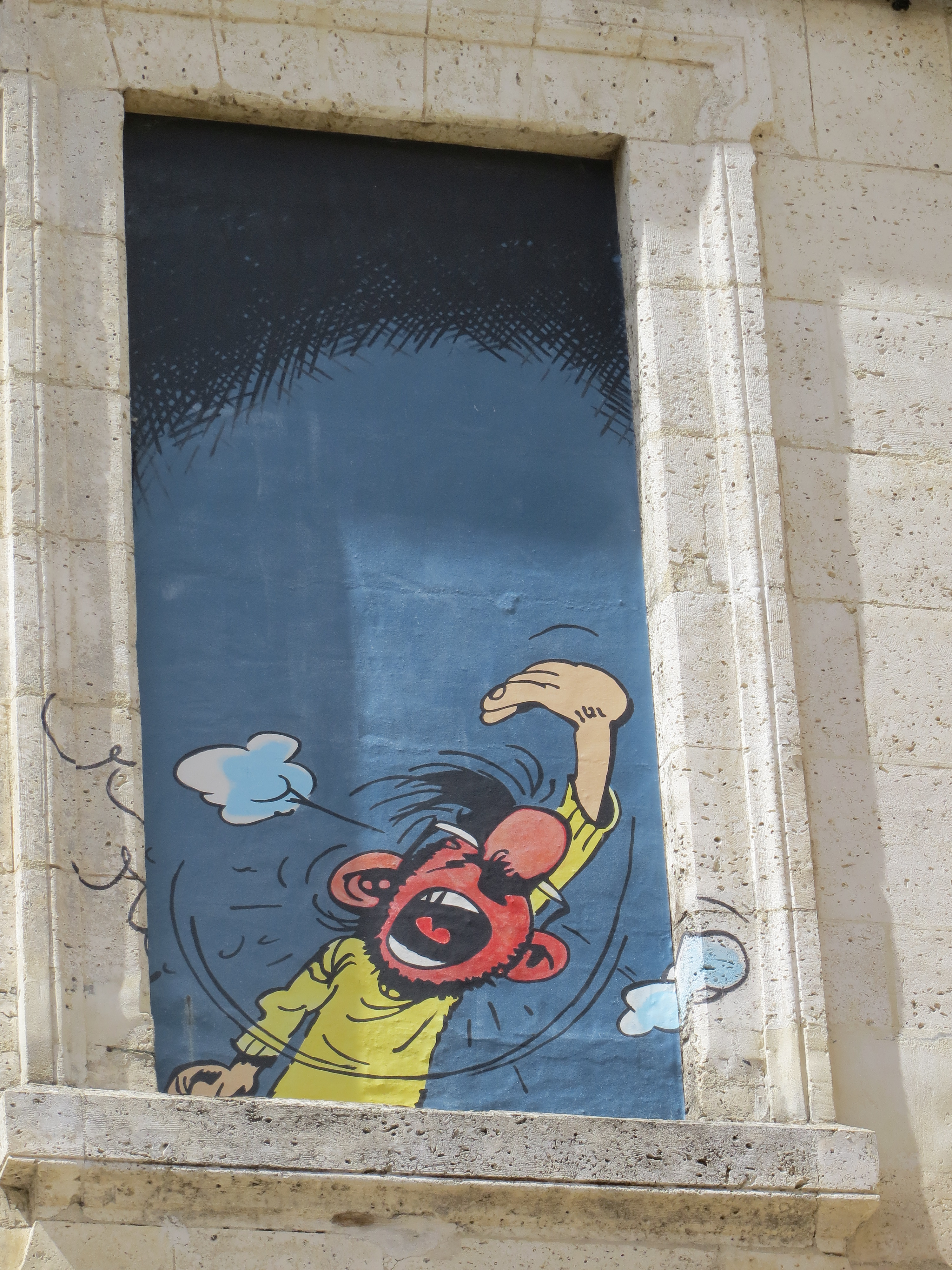
Often you just need to look up:
 

Angouleme day 1 088


Angouleme day 1 032Angouleme day 1 033


Angouleme day 1 015Angouleme day 1 014


Angouleme day 1 024 Angouleme day 1 035


003 004

 
They started painting them in 1998, the most recent in 2006:
 

001

 
One of my favorites includes its own shadow on the opposite building:
 

more angouleme day 2 004 more angouleme day 2 009

 
And the rest of the wall is even better:
 

more angouleme day 2 005 more angouleme day 2 006

 
If you like sequence in your sequential art, this is for you:
 

more angouleme 143more angouleme 138more angouleme 140more angouleme 141more angouleme 142

 
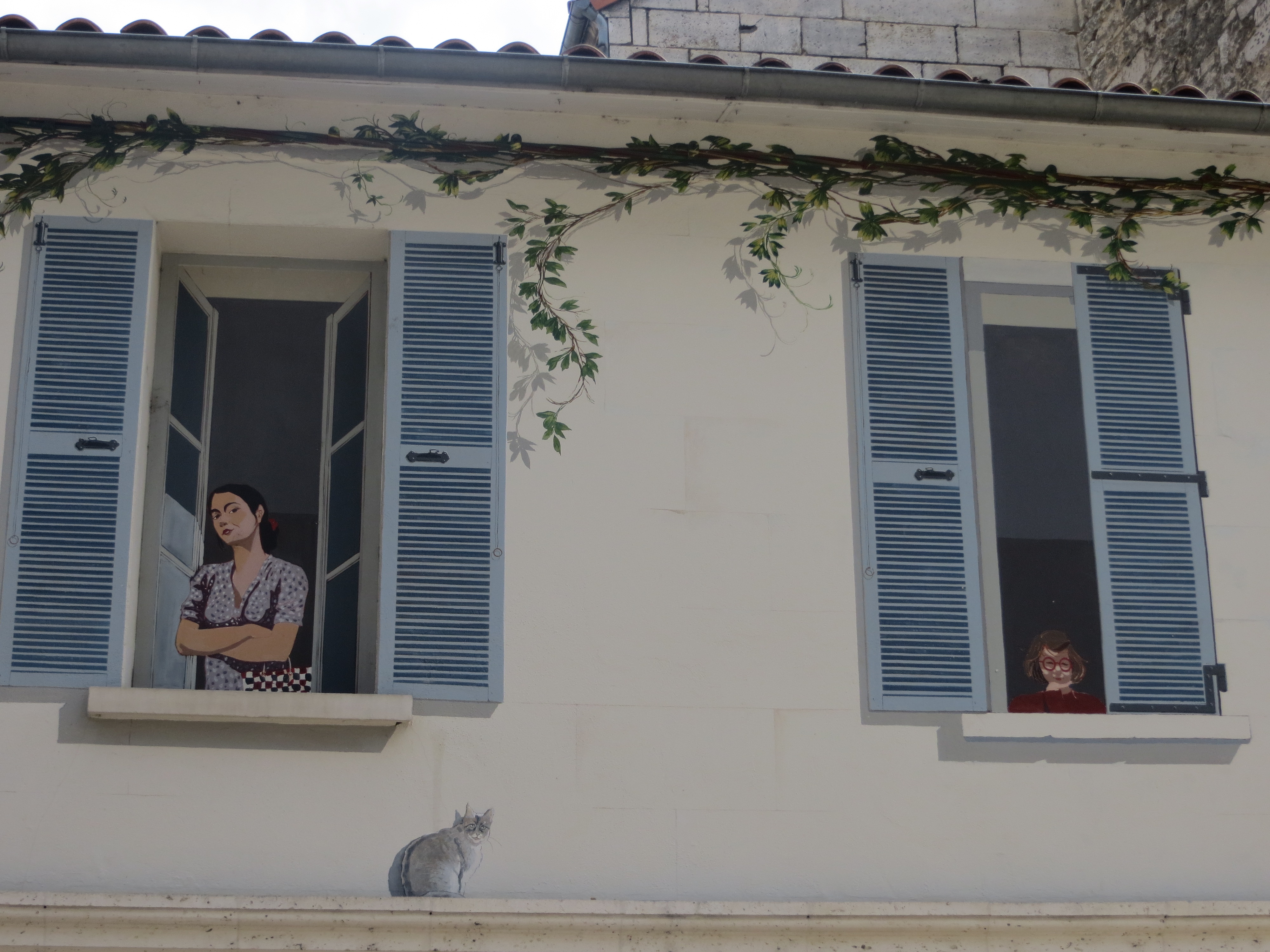
While most are cartoons, a few play photorealistic tricks on the eye:
 

Angouleme day 1 080Angouleme day 1 082


Angouleme day 1 091

 
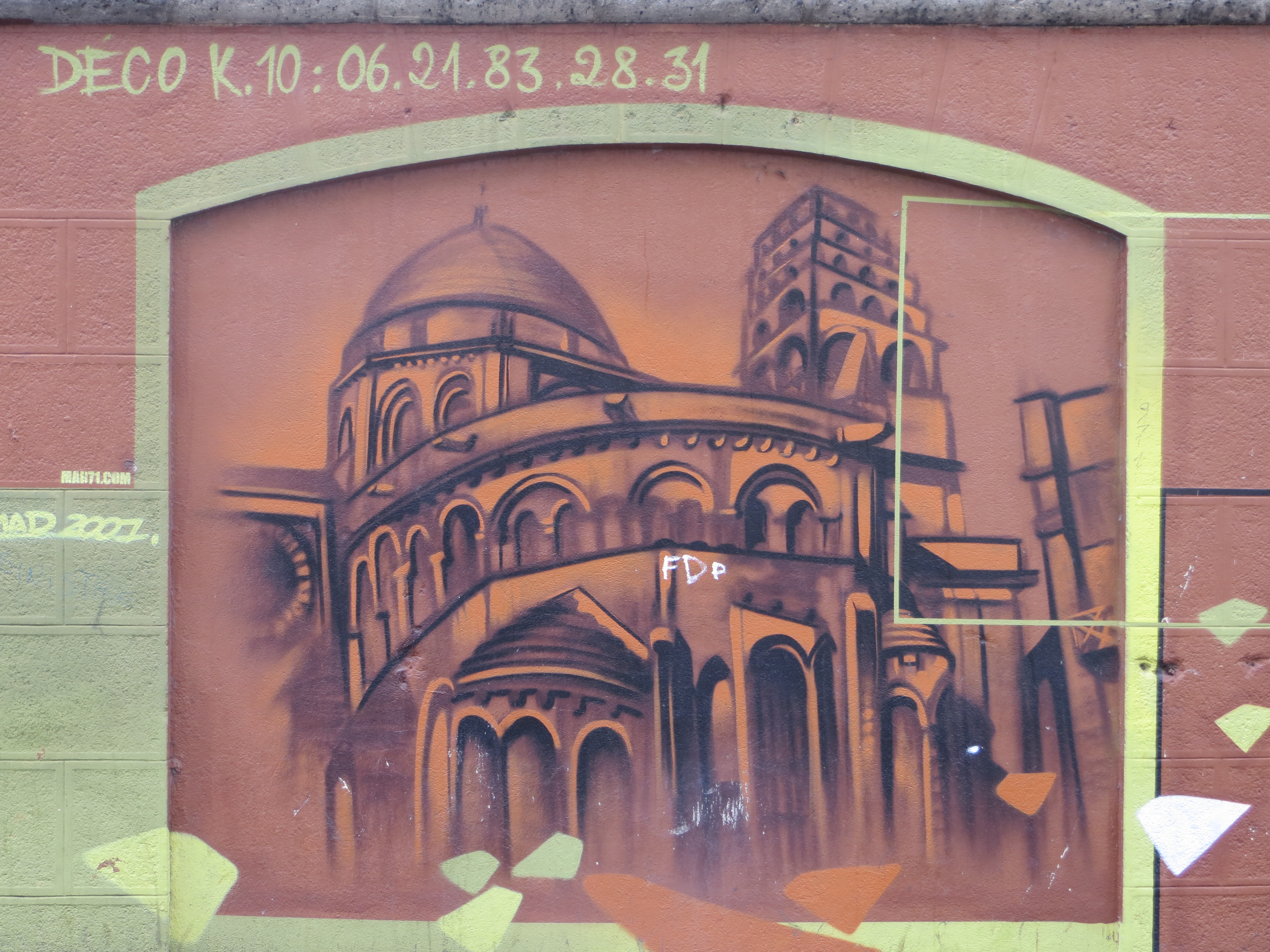
Many are within the ramparts bordering the old city, but some (unofficial ones) are on the outer walls themselves:
 

Angouleme day 1 047 Angouleme day 1 048


Angouleme day 1 049 Angouleme day 1 050


Angouleme day 1 053 Angouleme day 1 054


Angouleme day 1 051Angouleme day 1 052

 
One is in the center square of the old city:
 

Angouleme day 1 089

 
More are down narrow side streets:
 

Angouleme day 1 071Angouleme day 1 070


Angouleme day 1 072Angouleme day 1 059


Angouleme day 1 057 Angouleme day 1 058


Angouleme day 1 060 Angouleme day 1 061


Angouleme day 1 062 Angouleme day 1 063


Angouleme day 1 064 Angouleme day 1 065


Angouleme day 1 067 Angouleme day 1 068


Angouleme day 1 069

 
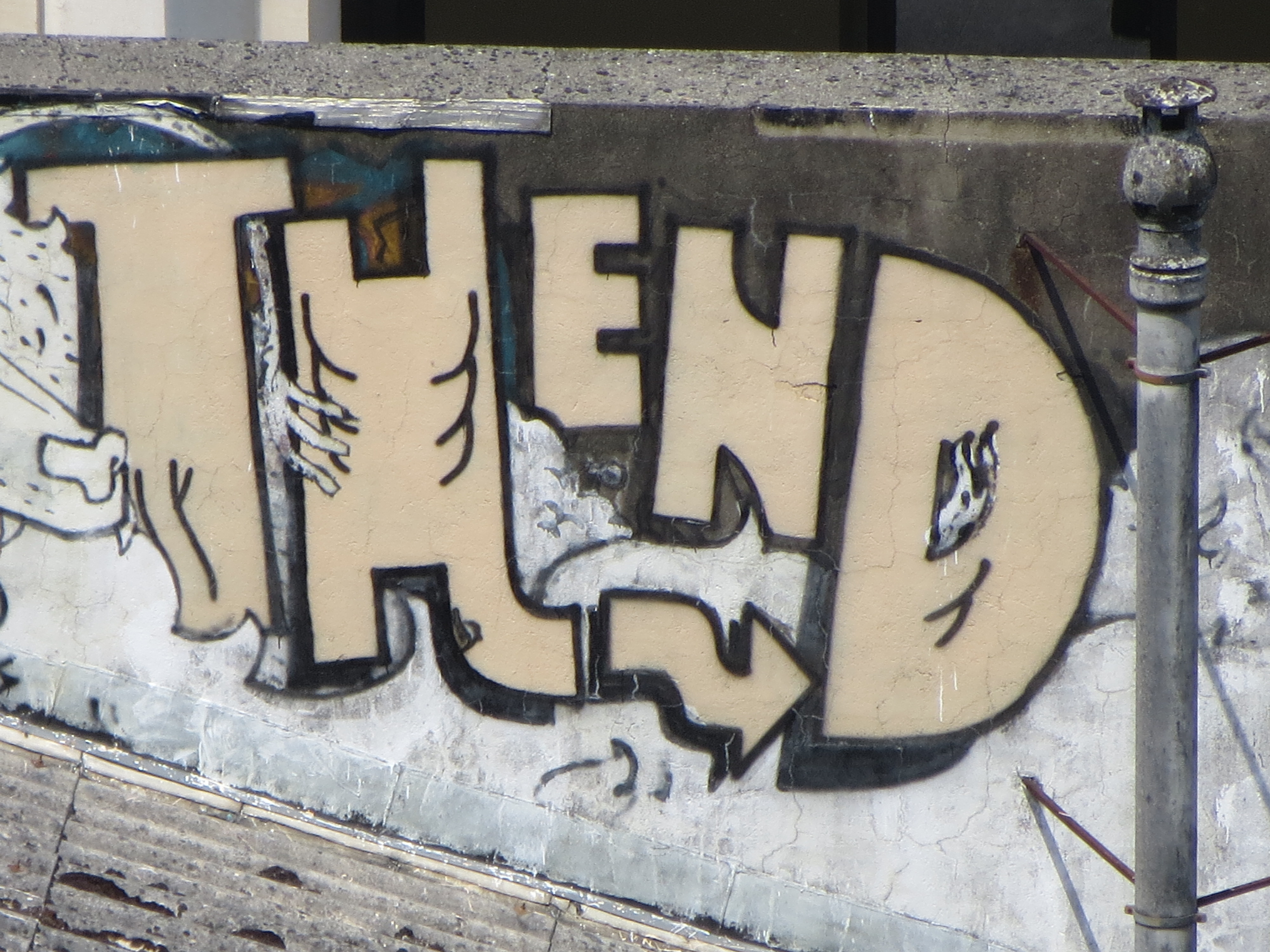
My walks included actual graffiti:
 

Angouleme day 1 056Angouleme day 1 055

 
And sometimes just graffiti tags:
 

angouleme day 2, comics research 214 angouleme day 2, comics research 213


Angouleme day 1 078Angouleme day 1 075

 
And even the utility and mail boxes joined in:
 

more angouleme day 2 014 Angouleme day 1 096

 
I didn’t spot this one and the utility box facing it until driving out of the city:
 

Carnac 002 Carnac 001

 
I searched for but somehow did not find the tallest mural:
 

murs 1

 
For others I didn’t photograph myself, visit Angouleme’s site.
 

more angouleme 136


Ross Campbell on Endings

Ross Campbell, the creator of Wet Moon stopped by to comment on Qiana’s post about comic series and endings. I thought I’d reprint his thoughts here.

great essay, Qiana! and thank you so much for giving some attention to Wet Moon for it, i appreciate it. :) i feel like serial comics ending is something i rarely see people talking about, or when they DO end everyone just kinda shrugs or is sad or says “the ending sucks!” but they don’t get more into it than that.

not to focus too much on my own work here, but i feel like at this point there isn’t any ending to Wet Moon that will ever be satisfying, regardless of whether it ends at volume 8 or volume 30. there will always be something unsatisfying for readers, and i wonder if other cartoonists who do serial stuff feel that way about their work, too, and maybe because of that they’re scared to end it. i’ve actually never really ended anything i’ve ever written, even seemingly standalone books i’ve done were meant to have sequels that got canceled and never happened, so i have no idea what it’s like to END anything. part of me is excited to finally come up with an ending to something, but at the same time it feels scary and sad.

i think i half agree with Vaughan’s quote and half disagree. i feel like some stories definitely need endings, i can think of a lot of serialized stuff where i wished the ending would happen or that it happened sooner than it did, it always sucks seeing a story you love peter out. but on the other hand i also like stuff, particularly TV shows as i don’t read a lot of serialized comics anymore, that go on and on without an ending in sight because it can create a nice “lived in” feeling and i like following characters when there isn’t a big plot looming over them and when the story doesn’t seem to be in any rush to get somewhere. it’s not comics of course but i’m really into Grey’s Anatomy and it’s about to start its 11th season and i’m loving it more than ever, and after watching 10 seasons it’s like you live with the characters and being a drama show it never ramps up to some epic plot or confrontation or something, so it feels satisfying to just leisurely live in that world with the characters. since there’s no big plot and it’s more about exploring the characters and having fun with them, if it ended abruptly i don’t think i would mind that much because there isn’t really anything that NEEDS to be resolved. so in that sense i don’t agree with Vaughan because i think there can be stories that narratively don’t need endings and are better for it.


wm002-300x150

Strapping On The Man

An edited version of this review ran at Bitch magazine.
___________

For a lesbian creator, Ariel Schrag is unusually obsessed with penises.

Schrag started her career making autobiographical comics in high school. Her first two books — Awkward, about her freshman year and Definition about her sophomore year — were insightful, deft, sweet coming of age stories. But as she moved into Potential and her junior year, things got considerably darker. Ariel, the character, began to experiment with her sexuality, and Schrag, the creator began to experiment with comics form, culminating in the mammoth senior-year Likewise, an intense, complicated work using multiple styles and a recursive, allusive structure to chronicle Schrag’s twin obsessions with her way-too-straight girlfriend Sally and James Joyce’s Ulysses.

Again, Likewise is an ode to phallicism. Ariel purchases a large dildo for her 18th birthday; she has daydreams about various men with various penises who may or may not be sort of Ariel herself having sex with Sally; she has an intense epiphany while reading Joyce’s description of the ultra-phallic flower Saxifragia stolonifera, “father of thousands.” “Oh my god, that is so perfect,” Ariel in the comic thinks, as Schrag the artist draws the flower in emotive charcoal, one of the loveliest images in the graphic novel.

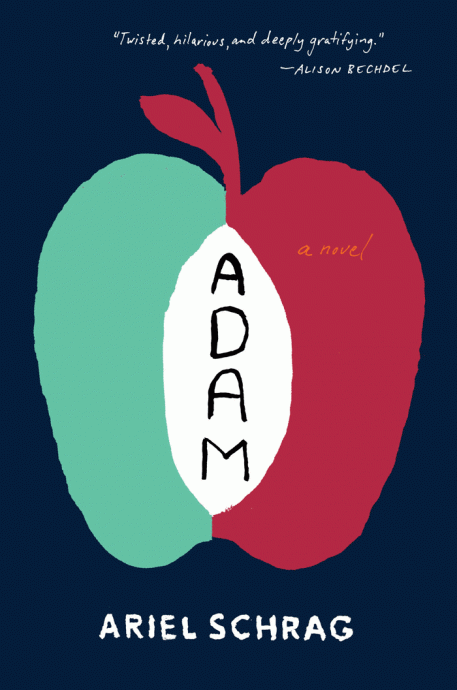
Given this interest in pensises, it’s perhaps not surprising that Schrag’s first novel, Adam, stars somebody who has one. The title character is not a lesbian, but a nerdy adolescent virgin guy obsessed (like young comic-book Ariel) with girls. He has little luck with them…until he visits his lesbian sister in New York and is mistaken for a trans man. He ends up having to tape his real penis down with Ace bandages in order to use a strap on to have sex with the love of his life, a lesbian named Gillian.

The gender-crossing here quickly becomes vertiginous — especially if you read Adam as Schrag in drag, a gay cis woman pretending to be a heterosexual cis man pretending to be a trans heterosexual man in order to have sex with a cis gay woman. Schrag, for her part, acknowledged in an interview that “Adam is mostly me.” She added:

“I like the idea that 1. Someone reading Adam would find my depiction of a male teen to ring true and that this implies the differentiation between male and female is perhaps less stark than some believe and 2. That someone might read Adam and find that my depiction of a male teen doesn’t ring true to them, perhaps strikes them as more “female” and that this implies that Adam himself is innately “female” in some ways, making his passing as a trans man perhaps less of a (or at least a different nature of) deception.”

The idea of gender as deception is of course familiar from the catchphrase, not-quite-correctly attributed to Judith Butler, that “gender is performance”. Cis-Adam pretending to be trans-Adam can be seen as a kind of dress up. But it can also, as Schrag says, be seen as a kind of truth, since Adam is really Schrag identifying as Adam. Or, to put it another way, you could see Adam as an authentic performance of Schrag’s masculinity.

Schrag herself suggested to me that this was how she sees the character.

“When I was a teenager and in my early twenties, masculinity was very important to me. My hair was cut short, I dressed like a boy, and was often mistaken for one. The primary kind of sex I had with women was using a strap-on and I was always the one to wear it. I would go to strip clubs and get lap dances. I would tell people about going to the strip clubs and be thrilled by their shock and amusement. Acting “masculine” made me feel powerful, and more importantly, cool. It was lame if a guy went to a strip club, but cool if a girl did. I do not have these feelings anymore. Not that I’m anti-strip club, but I don’t think it’s especially cool when women—opposed to men—enjoy them. Much of Adam is about exploring my own relationship to masculinity and the way I observe it functioning in the world.”

Schrag added, “as someone who has sex using strap-ons, I did take a certain delight in forcing this teen boy, all his equipment in working order, to have to use a strap-on as well. ”

What’s best about that last comment is the multi-layered way in which it performs masculinity all by itself. The touch of competitive vindictiveness, the amused-but-still joke about whose penis is better (if not bigger) — those seem like recognizably male tropes.

Which isn’t to say that Schrag wants to be a man, any more than the trans men in the novel are women (despite the claims of one drunk, politically incorrect lesbian in the book.) Rather, it’s to say that the fascination with men, the competitiveness, and even the failure to be a man, are all “definition” masculine, as a younger Ariel might put it. Being a man is about not being a man. And that being a man by not being a man is painful and ridiculous and sad and sweet, much like Adam, or like Schrag, him- or herself.
 

adam_final

A Conversation With Kate Polak on Violence in “The Boys”

6203292

 
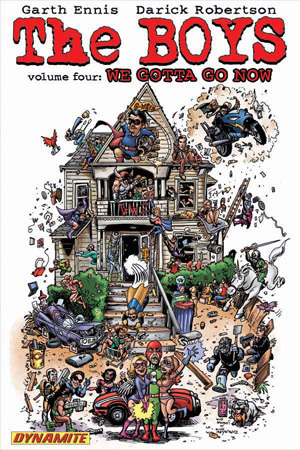
Kate Polak is Visiting Assistant Professor of English at Wittenberg University, and she does research on violence and sexual violence in comics, especially Vertigo titles. We met through the Comix Scholars list serve, and Kate agreed to have a conversation about violence and comics for HU. We decided to focus on Garth Ennis and Darick Robertson’s comic The Boys, specifically the volume We Gotta Go Now.

Noah: So…I guess maybe we could start by talking a little about that review by Francesca Lewis about the Boys. Basically she’s arguing that its violence and sexual violence is part of satire, right? She argues that he’s mocking comics by showing the violence and brutality and sex that isn’t present in typical comics for kids:

“The extremity and excess for which he is often criticised is a direct contrast to the empty, one dimensional world of comics. He includes every violent, sexual and controversial subject that is present in the real world and conspicuously not present in classic comics. “

You said you had some sympathy for that view. Do you think she’s right, or that Ennis is parodying comics by making The Boys more realistic?

Kate: I think she’s certainly right..to an extent. In the first place, I’d be remiss if I didn’t critique her homogenization of feminist critics and literary scholars. She really does a terrible disservice to feminism as a concept in that article. “Rawr! Feminists think this, but I think that.”

My sympathy with her viewpoint is rooted in a long, complicated personal history with Ennis, who I have loved for many years, but am growing increasingly less fond of with every subsequent issue of Crossed.

Most of the sexual violence he’s used in previous works, Preacher and Hellblazer being only two examples, bears critique, but also critiques itself. In Hellblazer, he has Constantine’s ex-girlfriend get raped by a jealous ex. When he comes to try to “help”, the female friends (including his own girlfriend), tell him to get out of the hospital room. What I always liked about his portrayals was how aware he was of the power dynamic between women and men, and how he allowed women to have some power even in moments of extreme victimization.

As to The Boys, the extremity of the work, I think, does an excellent job of parodying superhero morality, while at the same time, shamelessly indulging in some horrifying stereotypes as well. Who is our superheroine? Well, she’s blonde and white, and a former Christian. Who’s our hero among The Boys? Wee Hughie, a weird sort of nice-guy-nerd-fantasy that, to me, is a transparent appeal to nerd, verging on MRA readership.

Noah: I guess to me at this point in the superhero genre, I’m just somewhat skeptical of the baseline assumption that superheroes don’t deal regularly with issues of violence and sexual violence. William Marston and Harry Peter actually deal pretty directly, and I think sensitively with sexual violence in their Wonder Woman run from the 40s (Link here). That’s a bit unusual, but good girl art and fairly up front prurience was present in superhero comics from the beginning. There’s a lot of violence in those early comics too…people being murdered in horrible ways by the Joker, for example. And certainly by the time you get to Watchmen in the 80s, you’ve got lots of folks writing about the links between supeheroes and sex and violence, in thoughtful and less thoughtful ways. It’s just hard for me to see The Boys as parodying or undermining tropes when it seems in line with so much else that’s being done. Like, is a supehero pedophile ring really different in kind than superheroes teaming up to brainwash a villain, causing intense psychological trauma (which has happened in DC continuity)? Or the Joker shooting Barbara Gordon in the stomach and then showing her naked pictures to her dad? Or the current Wonder Woman continuity where we learn that the Amazons are not avatars of peace, but are instead rapists and child killers? Not that adult material always has to be bad necessarily or in every instance, but it’s hard for me to see how The Boys gets seen as parodying or commenting on the hypocrisy of mainstream superhero comics when as far as I can tell it’s indistinguishable from them.

Kate: I don’t know. I see the institutionalized rape of children as a pretty extreme, and topical phenomenon. That couldn’t have been anything *but* a swipe at the Catholic Church, right?

In terms of parody, I don’t really see parody as an all-or-nothing game–most works contain elements of their own critique, as well as a critique of the social sphere they’re mimicking. Furthermore, I see parody as simply a (perhaps) more extreme, but certainly more self-aware indulgence in the exact same phenomenon as the things that already occur in the genre in question. Parody isn’t turning a genre on its head–its exposing the ludicrous elements of a genre that already exist.

And that’s why I’m going to keep loving Ennis, even if I can’t always love him, and if I sometimes hate him. There are so many hints as to how he’s aware of how much uglier he’s making already-existing tropes, down to the art. They always pair him with hyper-realists, like Dillon and, in the case of The Boys, Robertson and Higgins. That style is commonly associated with adventure comics from the colonial and immediately post-colonial eras, wherein we, as readers, “discover” “darkest Africa.” I think the artwork does a good job of pointing towards the parodic tendency as well, as it did in Watchmen.

I suppose what I’m saying is that I find The Boys valuable because it goes out of its way to expose how common these elements are, and stretches them to their (possible?) limits. It’s not that sexual violence and other types of extreme violence don’t take place in comics that came before–it’s that the violence does, but the artists and writers often don’t seem to be aware of its absurdity. Or perhaps that they fail to recognize its regularity.

Or, and this is where I do most of my work, it’s that it exposes (through parody) the absolute saturation in culture of sexual violence.

Noah: I think superhero parody is a longstanding and central part of the superhero genre; everything from Plastic Man to Wonder Woman to Watchmen to the Spirit can be seen as parody, really; parodies are just really central to the genre.

So for me it’s not really whether it’s parody or not, and more whether what it’s doing is particularly interesting. And I have to admit, I’ve got problems finding much of interest in the Boys, or at least in the “We Gotta Go Now” story arc. I’d say, yes, the pedophile ring is referencing the Catholic Church…but I don’t really see it as being particularly thoughtful about that link, nor as having much of especial interest to say about it. In terms of exposing a culture of sexual violence — it just seems like it’s reproducing that culture to me.

Not just in terms of the fact that it shows sexual violence, but in the way that sexual violence is supposed to be validating for the comic, right? That is, the comic is engaged on revealing the secret truth of the perverted nature of superhero comics, and it does that by revealing what’s in the closet, that being sexual secrets and sexual violence. The brutality and violence show that the comic is a serious adult work.

Watchmen arguably does something similar — but I think it makes much more effort to question whether sexual violence is truth, or whether violence is. I don’t see any of that in the Boys, really. The truth just leads to greater redemptive violence, and then at the end to the abused kids getting murdered, so that you know the good guys aren’t good. It’s reversal after reversal, the truth revealed always being that people are awful and sexual violence is brutal, and isn’t it cool we’re reading this adult book?

Kate: Hehe. I like your reading. That’s where I think Ennis goes off the rails sometimes, although, specifically in We Gotta Go Now, I think it hews to a cyclical violence in which victims become predators and breed more victims, which is an area that comics has–I think–not been good about exploring.

Mostly, I would argue, the superhero genre likes its victims as victims alone, and not as more complicated creatures. It’s not in this issue, but in The Boys, Annie January is a victim of sexual coercion/violence, but she’s allowed to still have an active and positive sex life after her victimization.

In terms of the victims, I think that the comic shows a good deal of the nuance in the characters, as well as their level of psychological damage. Silver Kincaid kills herself in a particularly awful way. G-Wiz are socially ill-equipped to deal with society and have no boundaries, but we nonetheless feel real sympathy for them (at least I did). Godolkin might as well have been reciting a NAMBLA message, but we see the material consequences of his actions.

I think it’s important to remember who does the violence in We Gotta Go Now: it’s a corporate entity with a financial stake, rather than a personal stake, in the abused children-turned-predators. The government entities–The Boys–are willing to fight them, but it’s the corporation who comes in with the flamethrowers (and I use “who” advisedly, given recent Supreme Court decisions).

Most of The Boys lies in those reversals, too–as the storyline plays out, we’re increasingly made aware of the fact that Butcher is as bad as the bad people, and some of the supes aren’t that bad–some are good, and, if not for complicating factors, others could have been better.

So, what keeps me a fan of The Boys are those reversals, and the refusal to allow anyone to go uncompromised. In Watchmen, Laurie and Dan are pretty much good people. Wee Hughie is the closest we have in The Boys, and even he has his moments of homophobia (which is mocked), misogyny (which almost costs him love), and sheer ignorance.

As to prevalence, that’s one of the things I like about the annihilation at the end of We Gotta Go Now. No redemption for you.

Noah: Well, I haven’t read the whole thing, obviously.

I don’t actually think it’s true that superhero genre likes its victims as victims though, exactly. Superheroes themselves are almost all victims of trauma right? Batman, Spiderman, Hulk; it’s all about initiating trauma leading to vengeance or heroism.

Laurie and Dan are good people; they’re in a romance plot — though they’re also not exactly normal, and certainly have their own oddities. I think that having a real romance plot is actually a lot more of a challenge to superhero genre conventions than having evil corporations kill people. Violence as a solution, in whatever form, isn’t really a challenge to superhero logic, I don’t think. The happily ever after romance ending, the idea that solutions or happily ever after, is achieved without violence is a good bit more of a pushback against how supehero comics work…or so it seems to me, anyway.

What do you think about the fact that the two characters who break down on the pedophile team are women, and that the group of teen up an coming characters we’re supposed to sympathize with are coincidentally all guys?

Oh…and I really didn’t find that teen group especially sympathetic. They seemed like out of control frat assholes. Wee Hughie kept saying he liked them, and I kept thinking, good lord, why?

Kate: I think it’s unsurprising, given how we socialize men and women. I’d like to say “we can allot space for men to have feelings”, but we don’t–Jamal crying at the end was, to me, a real moment. A man admitting he was a victim of sexual violence and crying about it? Whoa.

The fact that men aren’t allowed to show these emotions is, I would argue, one of the things that leads to greater perpetuation of violence. It gets sublimated into an action on an other. “I’m not powerless. Look at what I can do.” And I think Ennis, through Jamal and others, is trying to expose that for what it is.

But I think that’s also where we’re sliding past one another in the debate. I can’t possibly think of Batman, Spider-Man, and the Hulk’s traumas as being similar to sexual violence, especially sexual violence inflicted on kids.

Remember, sexual violence is the *only* form of violence in which something that’s supposed to be pleasurable is turned against the victim. No one, aside from a subset of the BDSM crowd, legitimately enjoys getting punched in the face. No one orgasms from it. No one enjoys their parents dying. No one enjoys being picked on. Those are non-equivalent forms of trauma.

I sympathize with not liking them. To me, they looked very familiar. Relatively normal dudes on a college campus, with (many) fewer boundaries. And I sympathize with my male students, who are trying to figure out how to have fun, how to be men, and how to treat women, when they’re given terrible messages about all three.

Noah: I mean, Jamal is sympathetic at the end. But he’s hardly even a person before that, is he? I don’t really see any effort to make any of those guys people, pretty much; they’re not individuals. I barely learned their names. They just come across as a mass. I don’t get much sense that Ennis gives a crap about them as individuals, either. He certainly doesn’t bother to give them individual personalities.

You know that in some versions of continuity Bruce Banner is in fact a victim of child abuse, right? I don’t think it’s at all a leap to see the Hulk as a symbol of a traumatized child. Batman is explicitly the victim of massive childhood trauma. There are definitely things going on with Spider-Man that suggest possible sexual trauma — Craig Fischer has a fascinating essay about Ditko’s use of hands in his work, and I think it’s possible to read a subtext around sexual violence there, and link it to Spider-Man’s particular anxieties about manhood and power.

I think separating out sexual trauma as completely different from other forms of trauma…I don’t know. Kids who are hit by their parents also have issues around betrayal of trust and love. I mean, children do wish for their parents to die; sexual fantasies and pleasures aren’t the only kinds of pleasures. Any trauma is non-equivalent to any other form of trauma, but that doesn’t mean that there are no parallels.

I agree with you that misogyny and the fact that sexual trauma is supposed to be an attack on men’s masculinity is a pretty horrible thing for everyone, and a way that such violence gets hidden and perpetuated. I’m just skeptical that Ennis is dealing with that in a particular intelligent or thoughtful way. His victims of sexual violence here are basically completely out of control, and their trauma is basically used as an awful secret and then an excuse for violence, not as a way to actually explore their stories in any particular extended or thoughtful way.

I just read Gwyneth Jones’ novel Bold As Love, coincidentally, where there is also an abused child who goes on to abuse children himself. He’s only in the book off to the side, really, and I wouldn’t say he’s exactly sympathetic, but there’s just a lot more sympathy for him I feel like — partially because we see him through the eyes of another character who is also the victim of sexual abuse. She’s not completely broken though (and in many ways not broken at all), which creates some space in the book for sexual abuse to not be the one true thing about its victims, male or female. I don’t see a lot of that in Ennis’ story.

Kate: I didn’t know that about Peter Parker, although it’s an interesting interpretation! I’d love to read that article.

Yes, sexual pleasure isn’t the only pleasure, but I still see sexual abuse as substantively different from other types of abuse. Not “more,” but certainly different. While I think you’re right to say that there are parallels, I think that we often overplay the parallels in studies of violence in general, which in itself serves many of the rape myths that have been made at least a little more apparent by the recent focus on sexual violence (in your work, among others). I still see a pretty big gulf between reactions to a rape victim and a mugging victim (or, more appropriately, a maiming victim), and those reactions are based in part on our own experiences of sex versus violence, as opposed to sexual violence, which is another creature entirely.

Seeing your parents murdered is undoubtedly immensely traumatic. I’m still reluctant to map it onto the experience of sexual violence, though, because *seeing* is different from the violation of the bodily envelope, no matter how you slice it, and when the body is violated in ways that are supposed to be reserved for pleasure, there’s an enormous further gap between a rape, and, say, a stabbing.

As to Ennis, I’m certainly approaching it differently than you, but what I see is a lot of scared little kids with stunted personalities who grew up to have immense power–not unlike a lot of violent offenders today. In terms of individuality, I don’t think he cares enough to give them major individual attention, because they’re implicated in crimes as well, whether or not those crimes occurred “because they had a troubled childhood.”

I should note that, when I say I sympathize, that isn’t equivalent to saying “I understand” or “I could see myself in that position.” I see it more as a commentary on the extent to which that behavior is familiar and legible within a broader cultural framework.

You compared them to frat boys. Frat boys, and rapists, are also *people*. But that doesn’t mean we have to have an overweening sense of their individuality. I see The Boys in some ways as a nice corrective to the post-WWII obsession with the “complicated minds” of perpetrators.

Oh, and as to “the one true thing”–I don’t know. I think it’s alright to acknowledge that sexual violence can fundamentally and permanently alter the way someone relates to the world. It doesn’t need to make them into a permanent victim, but in the case of Annie January, it completely changes her approach to life, and that’s simply treated as a fact–not a “good” or an “ill”. The act itself was bad, but the way she deals with it simply stands as a way of living.

Noah: I didn’t say they weren’t people or that they should be killed. I just don’t really see why we’re supposed to like them more than the older superheroes (who are also people, or representations of people, right?)

I’d certainly say that we treat sexual violence differently in a lot of ways. But isn’t the idea that there’s some sort of innate difference in kind between violence and sexual violence — can’t that be seen as perpetuating the difference in some ways? I guess the truth is I don’t know enough about the relevant literature here, but it’s at least my impression that different kinds of trauma can result in pretty similar effects — disassociation, PTSD, flashbacks, and the like.

I’m not looking for complicated minds. I’m looking for some reason to be able to tell them apart, pretty much at all. Or some reason that Hughie likes them. It’s certainly reasonable to think that that kind of trauma has an intense and longstanding effect on people. But that’s a bit different than having characters who are pretty much completely defined by their victimization, as the group in We Gotta Go Now seems to be. It sounds like he does better with Annie January elsewhere, but in this case it’s hard for me not to see it as just exploitive and shocking for its own sake, mostly.

Maybe it’d be different if I’d read the whole series, I don’t know. I didn’t much care about any of the characters, honestly. They could have all died at the end and I would have pretty much just shrugged.

Kate: I’m going to take the last point first, then get into the sexual trauma v. other trauma. As to the series, I’m not saying it doesn’t have its flaws, and I imagine readers would have a range of reactions. I’m arguing for it because I saw a number of interesting spaces for discussion, including “what is the point of representing a corporation with an infrastructural investment in the abduction and abuse of children, so as to invest them with powers they don’t know how to control and to render them permanently infantalized?”

I’d even go so far as to bring in IMF and World Bank policies into the discussion, but I don’t know if I have the juice left in me tonight.

I’ll content myself with saying The Boys represents a nexus between extreme sexual violence, extreme violence, sexuality, celebrity culture, corporate greed, corporate and government collusion, global terror, and war that captures an interesting slice of what living in the post-9/11 media landscape is.

As to sexual violence versus violence, I don’t think there’s anything wrong with perpetuating the difference. There is a difference, and it’s a big difference. Yes, it *can* have the same effects (although not all people who see combat are traumatized, and similarly not all rape victims are traumatized). PTSD is a collection of symptoms–the originary trauma doesn’t matter in terms of content in a PTSD diagnosis. However, and this is a big however, defining sexual violence only in terms of the trauma in victims misses a lot of the point. Most women–around 50-70% in various studies–show signs of PTSD regardless of whether or not they’ve been victims of sexual violence. Those who haven’t tend to exhibit mainly hyperarousal–waiting for a threat that may or may not come.

As to the differences in actual experience, a symptom profile doesn’t exactly map on to an experience. One of the biggest complaints about the second-wave tagline of rape being about power rather than sex were rape victims asking “then why didn’t he just hit me? I would have preferred that.”

Noah: Yeah; I wouldn’t want to claim that rape has nothing to do with sex. But that doesn’t necessarily mean either that rape is the worst violence or the most traumatic violence in every situation, right? In terms of something like Susan Brownmiller’s discussion of rape in wartime, the analysis suggests less that rape isn’t about sex than it suggests that war and violence in general are pretty closely connected to sex in ways that we don’t really like to acknowledge.

In terms of the IMF and World Bank…I see the metaphor, but also kind of wonder if representing non-Western peoples as abused children who don’t know how to deal with their powers is necessarily a helpful or insightful way to think about these issues.

Kate: Oh, totally, but Ennis is an unrepentant Anglophile, which is something worth exploring, especially given the fact that few comics ever deal with the Global South at all. Notable exception: Unknown Soldier, which is not a very strong work, but at least takes place in Africa and has African characters.

In terms of violence vs. sexual violence: like I said, not “more,” just “different.” I think the connection is certainly there, but I can’t say I entirely agree with Brownmiller (or, say MacKinnon, who argued that “porn is the theory and rape is the practice”). In part, it goes to the question of “sameness” versus “difference” feminism, and they’re both polemics. I don’t have to choose one in order to say that rape is a substantively different experience from other forms of violence. I know it’s different. And there’s, to be frank, a lot more emotional nuance in rape than there is in other forms of violence, including domestic violence. Most rapes are acquaintance/date rapes, much like the molestation we saw in The Boys. There’s a lot of subtle manipulation, rather than out-and-out violence. It’s easier to hate your attacker when they inflict something that clearly counts as violence, but what does it mean when your attacker convinces you that their act is an act of love?