Utilitarian Review 8/22/15

On HU

Featured Archive Post: Jade Degrio and Desirae Embree on choice and agency in the Dollhouse.

Robert Stanley Martin with on-sale dates of comics in early 1946.

Chris Gavaler on the history of superheroes on film.

I wrote a bunch of posts about Quentin Tarantino and related matters:

Robert Rodriguez and diverse casting in Four Rooms.

Don’t whitewash Jackie Brown.

On fatherhood and Kill Bill’s crappy ending.

On why Tarantino shouldn’t make a romantic comedy.
 
Utilitarians Everywhere

At Pacific Standard I wrote about how actresses used to be thought of as sex workers.

At Playboy I wrote about

trafficking laws and how they hurt sex workers.

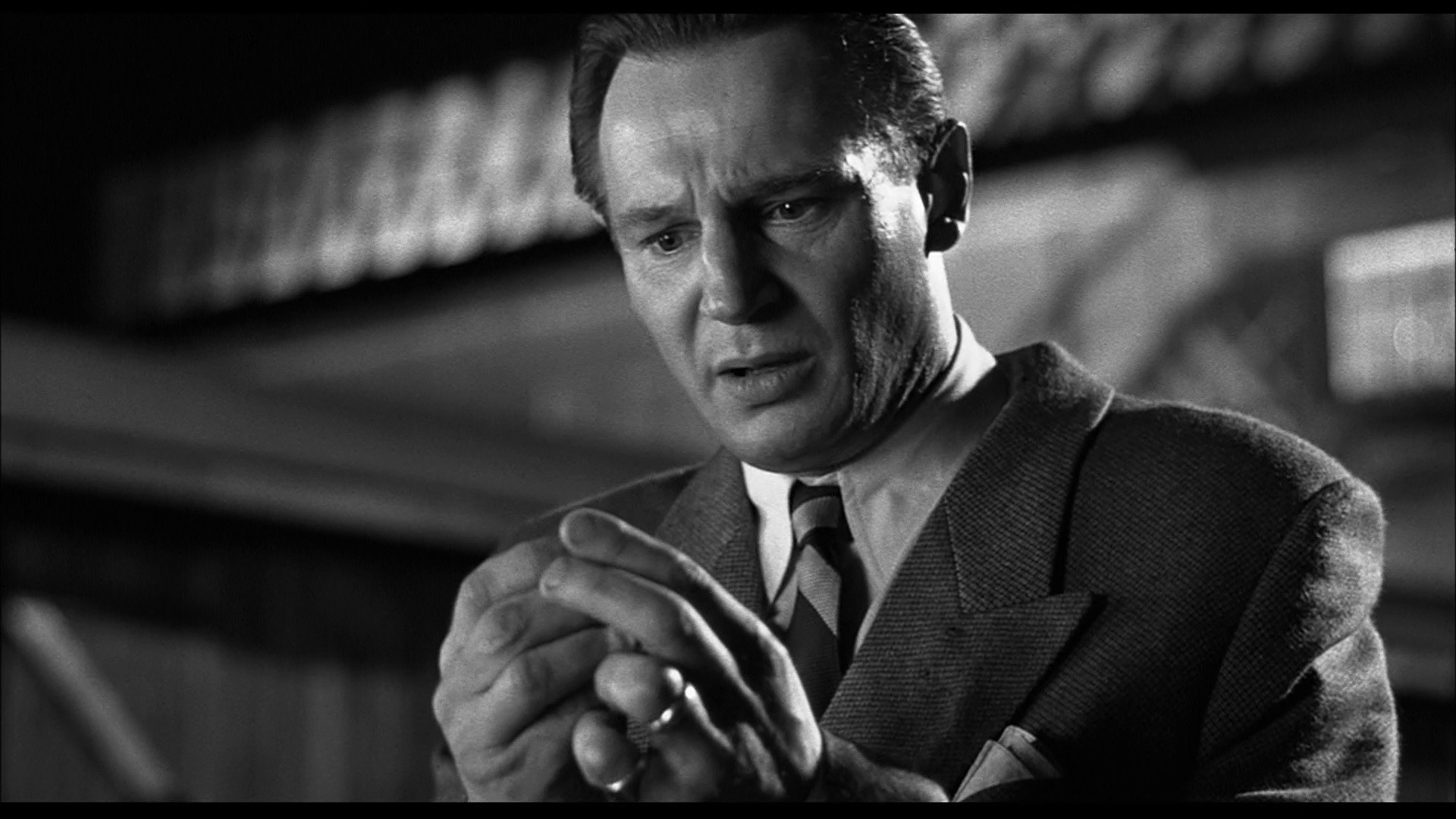
the new romance set during the Holocaust and why it and Schindler’s List both suck.

At the Guardian I wrote about American Ultra and how you (yes you!) can be a superspy.

At Splice Today I wrote about:

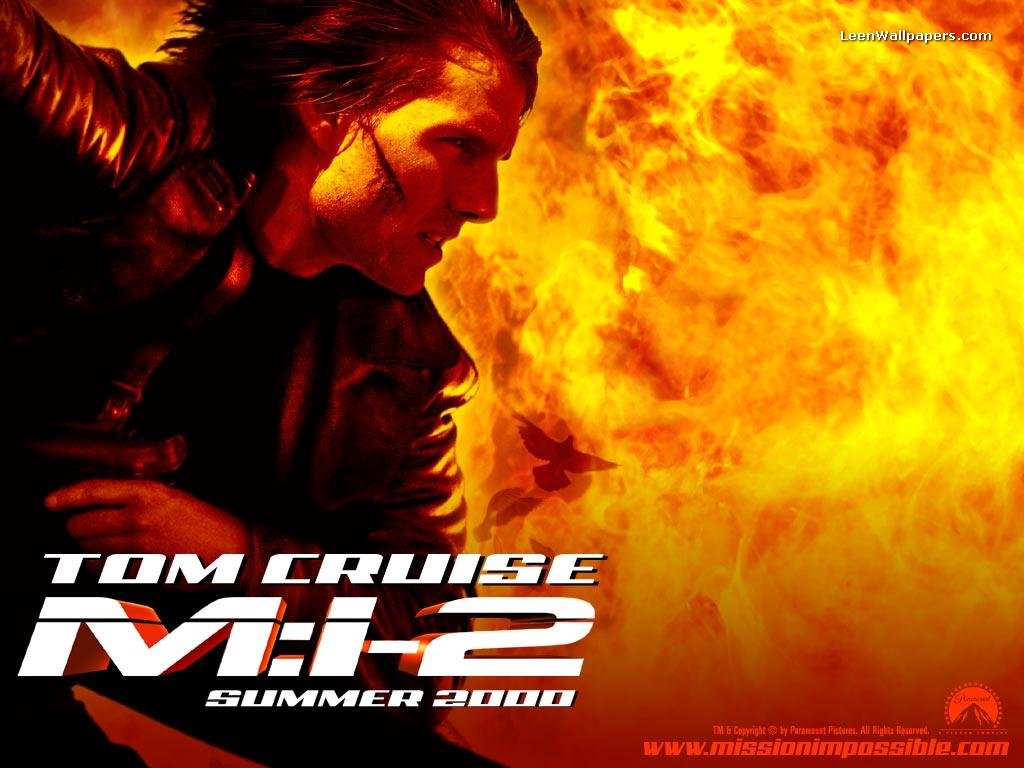
Mission Impossible, and hating imperialism via hating Tom Cruise.

the Democratic passion for the white working class.

— On the Man From Uncle and nostalgia for the days when other countries mattered.

At the Reader I had a short review of Nicki Bluhm and the Gramblers, a great retro-70s country outfit.
 
Other Links

Jonathan Bernstein on how the party decides on the nominee.

Imani Gandy on Margaret Sanger’s complicated history with racism.

Annie Mok on queerness and Tove Jansson.

Nix 66 on telling off her phone sex client.
 

schindler-s-list-original

Untrue Romance

13f1c8d8fabee9069c19407c229e65cf

Tarantino is a somewhat erratic filmmaker. None of his films are actually bad (save his segment of Four Rooms, maybe) but some are fantastic and some waver around mediocre. It’s not chronological, either; he isn’t a filmmaker who has fallen off (yet, at least.)

There is one fairly common theme to his weaker moments, though, I think. It comes down to the fact that his grasp of men’s genre material is much stronger than his grasp of women’s genre material.

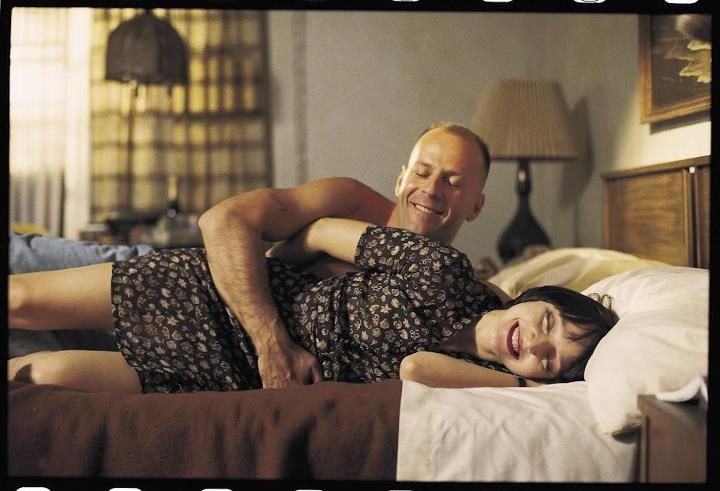
At least for me, all of Tarantino’s weakest filmmaking moments happen when he tries to do romance, or something like soap opera. The Butch/Fabiene romance in Pulp Fiction is treacly and deeply unconvincing; you end up hating both characters, not falling in love with them. Similarly, the soap opera aspects of Kill Bill are a mess. There’s never even a modicum of chemistry between Bill and the Bride; their endless heart to heart at the end of part 2 is tedious rather than heart-wrenching. The Bride’s transformative experience with motherhood is completely unconvincing, and also unquestioned. Django is supposedly built around a passionate romance, but it has no idea how to represent that, or really do anything with it beyond motivating Django to shoot lots of people.

Tarantino is generally very good at undermining, or tinkering with, or examining male genre conventions, whether he’s telling you how good it feels to watch someone cut off an ear, or thinking about what pacifism does to narrative (which is to me one of the most fascinating parts of Pulp Fiction.) But when he deals with traditionally women-oriented genre material, he’s just at sea. The best he can do is to lace his treacle with half-hearted irony. But he’s not passionate enough about the material to savage it or embrace it. He just sort of lets it sit there helplessly, until he can move onto something else. It’s telling, I think, that Tarantino’s great romances are ones that are not quite romances; Jackie Brown and Max, or Vince and Mia.

This isn’t to say that Tarantino is sexist. He sometimes is, I’d say, but he also has a lot of great female characters, who he treats with interest, compassion, and respect. And of course lots of women like his films, just like lots of women like “male” genre work. Compared to many male filmmakers, I’d say that Tarantino is even quite interested in representing a diversity of women on screen (though his casts overall still tip male.) But what he’s not interested in, or attuned to, is women’s genre work. A Quentin Tarantino romantic comedy, in short, would be a very bad idea.

Kill Your Child’s Father

The end of Kill Bill 2 devolves into an interminable gushy, talky mess, which is irritating enough. But what really ruins finish for me is the fact that the Bride ends up by murdering the father of her child. Which is supposed to be a happy ending.

Now, it’s true, Bill is a particularly vicious spousal abuser, who called out his team of assassins to kill his girlfriend and all her nearest and dearest because she decided to leave him. He’s a shit, and totally worthy revenge movie fodder. No objection there.

The problem is that Bill raised the Bride’s daughter for four years after he put her in a coma. He appears to have a close, loving relationship with her. He’s the only parent she’s known. The Bride proves in the first act of Kill Bill 1 that she’s happy murdering the parent of a four year old, if that’s the way the sword slices. But this isn’t just any four year old. This is her daughter’s father. The film acknowledges that the four year old daughter of Verneeta is going to be traumatized by her mother’s death. We see Oren-Ishii traumatized by her parents’ death when she’s around four. But somehow, the Bride kills Bill, and little B.B. is totally unfazed. She rides off into the sunset with her mom smiling.

The logic, I guess, is that kids have an automatic overwhelming connection with their mothers that’s way more important than any relationship with their fathers. Which is stupid and untrue and even kind of offensive, to dads and moms alike. Dads are real parents too; women don’t have some sort of mystical parent power.

Obviously, Kill Bill has lots of morally questionable things going on; the mass murder, the severed limbs, etc. etc. But it’s just hard for me to buy the happy ending when it’s predicated on the idea that a four year old doesn’t care that their dad just died.

Whitewashing Jackie Brown

foxylady

 
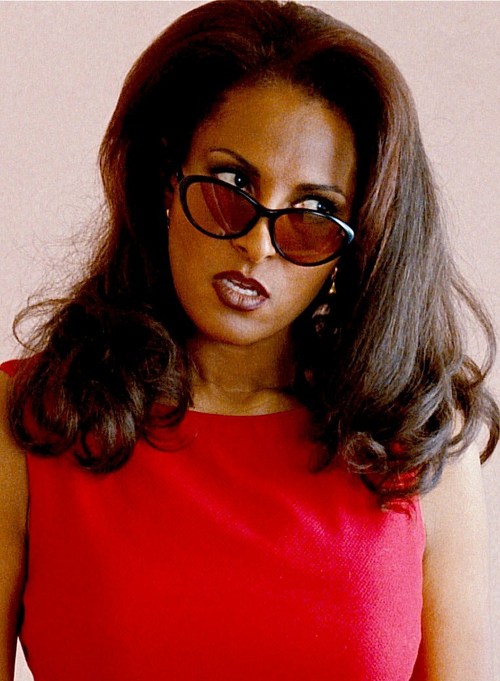
I rewatched Jackie Brown last night, and googling around afterwards found this piece that argues that Brown is presented as a racial other. The author, Rachael Coates, points out that Pam Grier is associated throughout with blaxploitation music; that she uses AAVE when talking to Samuel Jackson’s Odell, and that the film is fascinated with her appearance, which is lingered on in various long shots. It also notes that the character Brown is based on from the novel is white.

It’s interesting, though, that the essay doesn’t point to the most obvious ways in which the film marks Brown as black — those instances where people in the film comment on the fact that she’s black. Odell tries to play on Max’s sympathy for a 44-year old black woman when he’s trying to get out of paying a deposit on the bond to get her out of prison. The cops who pick Jackie up and threaten her don’t reference her race explicitly, I don’t think, but when they talk about how few options she has, her status as a black woman in definitely hanging there, not quite spoken.

Why are these incidents left out of the discussion of the way that the film presents Jackie as racially Other (or, in less theoryish terms, as black?) The answer seems clear enough; these incidents suggest strongly that it is not the *film* which sees Jackie as racially other — or not just the film. Black people are marked in our society. Ignoring that is not actually ignoring it; it’s making a choice to treat black people as white — as in, say, the most recent Fantastic Four film, where there’s almost nothing in the film to let you know that anyone even knows that Johnny Storm is black.

There’s certainly some virtue in a vision of an egalitarian world. But, by definition, such a world can’t speak to issues of race. Jackie Brown isn’t explicitly about racial oppression, as some of Grier’s blaxploitation classics were. But Jackie’s plight, and her beauty, and her triumph, are all nonetheless recognized by the film as a specifically black plight, a specifically black beauty, and a specifically black triumph.

Pam Grier is a black icon. Were Tarantino to ignore or erase that — if he were to make a movie in which a white person could just as easily play Jackie Brown — would that be some sort of triumph of egalitarianism? Or would, instead, be a kind of cowardice, and even a kind of betrayal? Jackie Brown insists that a poor, middle-aged, defiantly black woman can be a movie star and a hero. As Coates acknowledges, “…the contemporary U.S. film industry rarely produces black women character films with the same sincerity and admiration as Tarantino does for Grier here.” I don’t really understand why you’d want to replace that with yet another film in which the director pretends he can’t see color.

Who’s in the Four Rooms

four_rooms_tim_roth_a_anders_a_rockwell_r_rodriguez_q_tarantino_016_jpg_jqzq

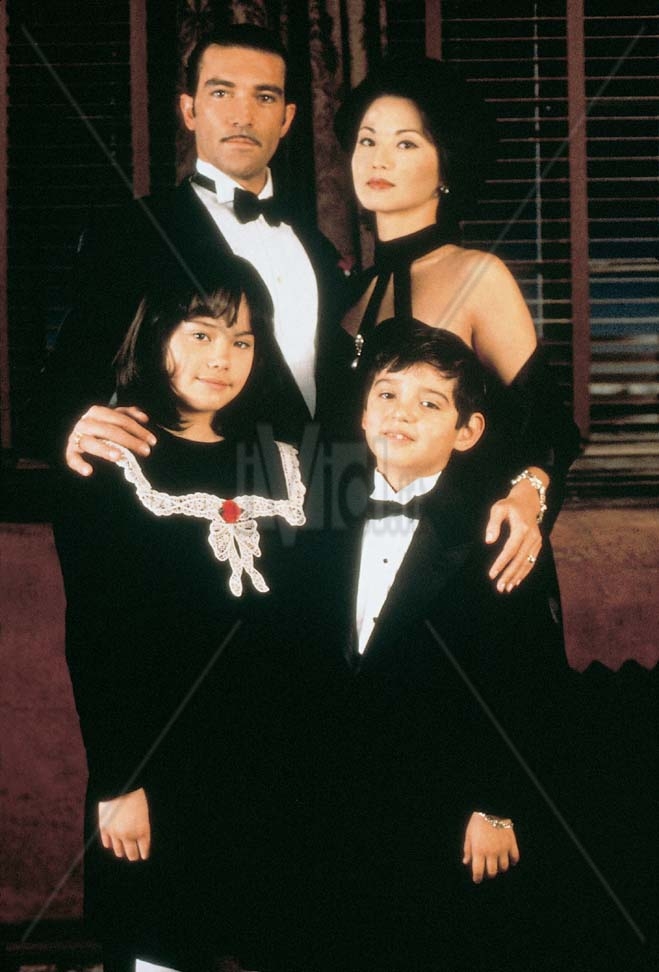
The 1995 anthology title Four Rooms is a roundtable; four directors each shot a short film set in the same hotel. Though the movie was critically panned, it’s actually pretty enjoyable; the segments are all enjoyably loopy, and the Robert Rodriguez section is actually laugh out loud funny, with some great slapstick and nice turns by a couple of talented child actors.

One notable aspect of the Rodriguez segment (“The Misbehavers”) is that none of the characters is white. Tim Roth the bellhop is a prominent figure in all the segments, and he’s still there — but the family in the room is composed of Antonio Banderas as the father, Tamlyn Tomita as the Wife, and two children (played by Lana McKissack and Danny Verduzco). And yes, I think that’s the only mixed Hispanic/Asian family I’ve ever seen on film. Even the corpse in the bed is played by Robert Rodriguez’s sister, Patricia Vonne.

The rest of the segments aren’t especially racially homogenous by Hollywood standards; the opening coven-of-witches one is all white, I believe, but Jessica Beals (who is African-American) is the only person besides Roth to appear in two segments, and Paul Calderon (also African-American) shows up in Tarantino’s closing scene. Still, except for Rodriguez’s section, white people predominate.

The fact that the film is an anthology roundtable, and the fact that one of the films is so different in its approach to race, shows with unusual clarity that representation isn’t an accident, or a random function of hiring the best actors — especially since Rodriguez’s segment is pretty clearly the most inspired of the collection. Casting diverse actors is a choice — and casting white actors is a choice. Rodriguez’s room is one in which whiteness is not the default. If only white people can get into the other’s hotels, that’s because, to one degree or another, they’ve closed their doors.

Utilitarian Review 8/14/15

download-31

 
News

Moviepilot was excited to find out from me that Wonder Woman will bring about the kinky patriarchal utopia.

On HU
We took a break this week…and may well take off next week too, depending on if anyone decides to write! Everyone’s on vacation for the summer I guess; so we’ll see. We’ll be back at some point though!
 
Utilitarians Everywhere

At The New Republic I wrote about Electronic Fetal Monitoring, and how it doesn’t work.

At Pacific Standard I wrote about how the Golden Age of Television is built on snobbery.

At the Guardian I wrote about the Fantastic Four and why superhero origin movies are a problem.

At Playboy I wrote about why, if Superman cared about humanity, he would fight mosquitoes.

At Quartz I wrote about Ricki and the Flash and moms who rock.

At Splice Today I

—explained that Trump is an ineffectual demagogue.

ranked all the Mission Impossible films.

—wrote about Jason Isbell, country radio, and the most authentic country music.
 
Other Links

Mistress Matisse on Amnesty’s decriminalization policy.

Released emails about the mess at UIC re: Salaita and other issues.

Nice piece on Donald Trump’s mess of a campaign.

Utilitarian Review 8/7/15

General News

Middle of summer and no one seems to be much interested in writing…so I think we’re going to take next week off, starting Monday.

Wonder Woman News

Cia Jackson reviewed my book at the Comics Grid. Not a very helpful review, as these things go…
 
On HU

Featured Archive Post: Subdee on Django Unchained and debt.

Robert Stanley Martin with on-sale dates of comics from early 1945—including Little Lulu and Milton Caniff.

Chris Gavaler on the superheroes politicians love.

Me on Ian McEwan and why he should stick to writing romance.

Me on the greatness of fIREHOSE’s Flyin’ the Flannel.

Roy T. Cook on bad superhero math and what to make of it.

I reviewed and anthology of Chinese experimental music.
 
Utilitarians Everywhere

At Quartz I wrote about why cultural appropriation isn’t theft (but can be racist.)

At Ravishly I wrote about Little Big Town, Willie Nelson, and same sex love in country music.

At Splice Today I wrote about:

—why Rorschach would be a better President than Ted Cruz.

Sam Harris’ anti-semitic bilge.

Other Links

Tressie McMillan Cottom on TNC’s Between the World and Me is great.

It looks like Steven Salaita’s lawsuit is in good shape.

Gita Jackson on British wizards and American blackness.

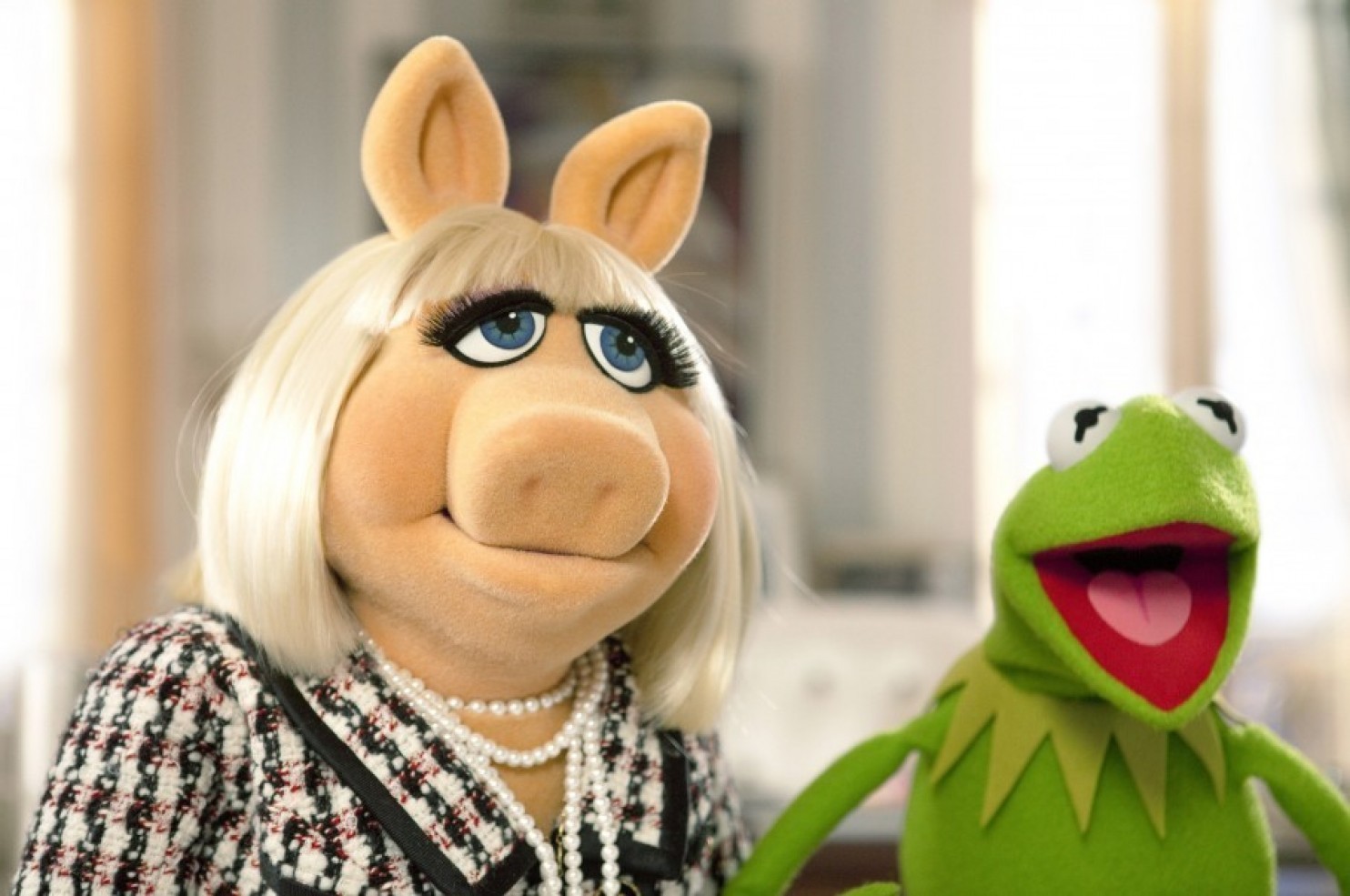
Alyssa Rosenber on the conflicted feminism of Miss Piggy.

J.A. Micheline on why she’s boycotting Marvel.


imrs