On HU
First I wanted to highlight this lovely comment by composer and artist Diamanda Galas, responding to James Romberger’s essay about David Wojnarowicz. The thread actually has a ton of thoughtful and heartfelt responses from Wojanrowicz’s associates and others. It, and the original article, are well worth reading if you missed them.
We started the week with a post by Domingos Isabelinho on Mat Brinkman.
Stephanie Folse continued her Elfquest reread with issue #2.
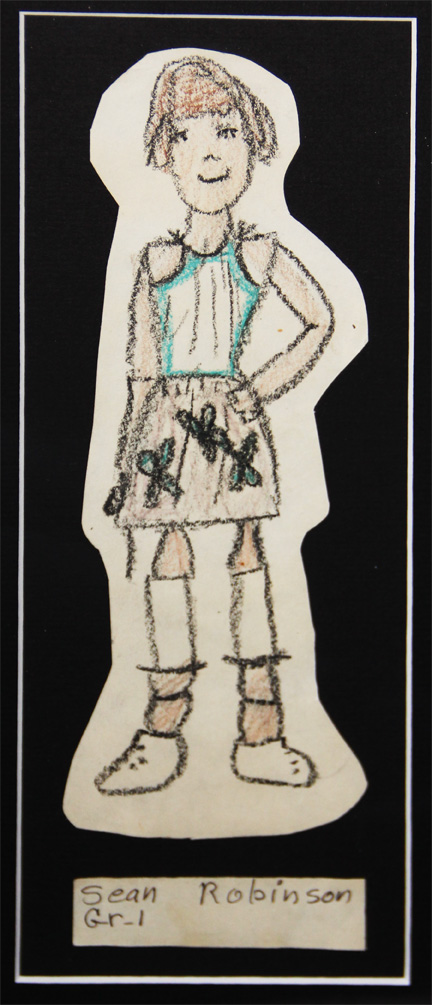
Sean Michael Robinson argued that the concept of talent is not helpful in teaching art.
I didn’t much like Hitchcock’s 39 Steps.
Ng Suat Tong discussed Tobias Tycho Schalken’s “Folkore.”
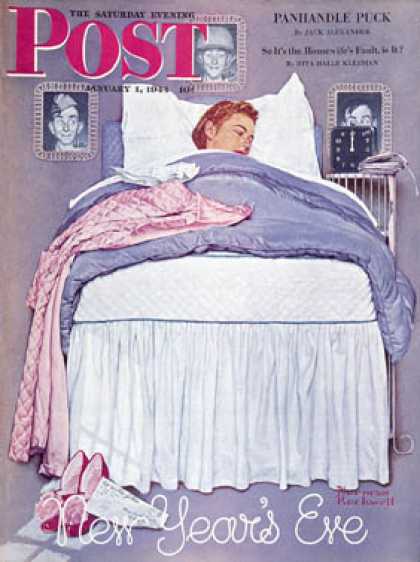
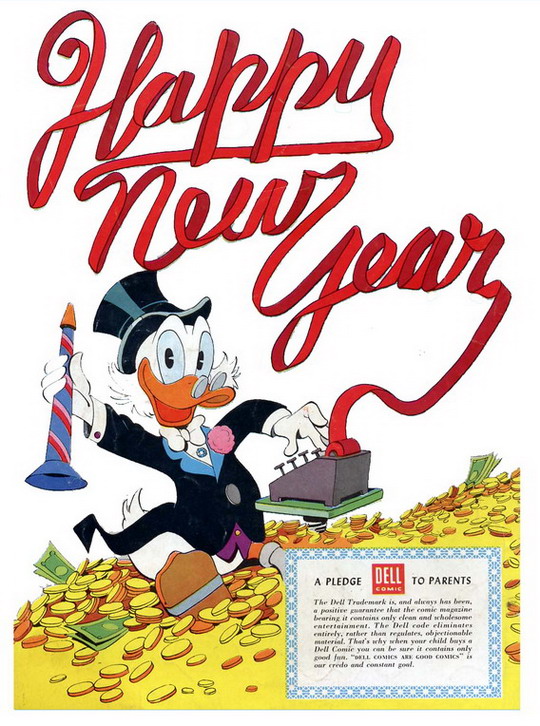
Alex Buchet provided a comics New Year gallery.
And Alex Buchet continued his series on language and comics, focusing on Batman, Smurfs, Mad magazine, and more.
Next week we should have posts on manga drama CDs; the pricing of original Jaime Hernandez art; Jason Overby, cocaine, and the internets; Gilbert Hernandez’s Human Diastrophism, and more.
Utilitarians Everywhere
At Splice Today I discuss a book by John Mullarkey about philosophy and film.
Mullarkey is insistent on the “aesthetical properties” of film. He notes that philosophers who discuss film often focus on narrative and theme and ignore mise-en-scene, editing, sound, music, etc., to say nothing of extra-aesthetic issues such as distribution, consumption and audience. Yet he’s so intent on listening to what this wonderful heterogeneity of film has to say to philosophy that he misses the most obvious point, which is that philosophy is aesthetic and heterogeneous as well. Just as film is not just it’s narrative and theme, so philosophy is not just its thought and theme.
Also at Splice I discuss a new comp of Bollywood psychedelia.
But such is the Columbus-like experience of world music crate diving, in which you compulsively pat yourself on the back for discovering that obscure fruit off which some significant proportion of the world’s population was already living.
At Madeloud I highlight some great Muppet music.
Other Links
Robert Stanley Martin on Lilli Carre’s The Carnival.
Been looking at a bunch of essays about The Wire. Interesting pieces by Marc Singer here and here/
Jonah Goldberg says the Wire is conservative here.
And a long profile of David Simon here.